


-
Heart Elf Card Game
19.99 € -
Gate of Adventures Card Game
19.99 € -
Heart Elf Calming Breath Cards
21.99 €
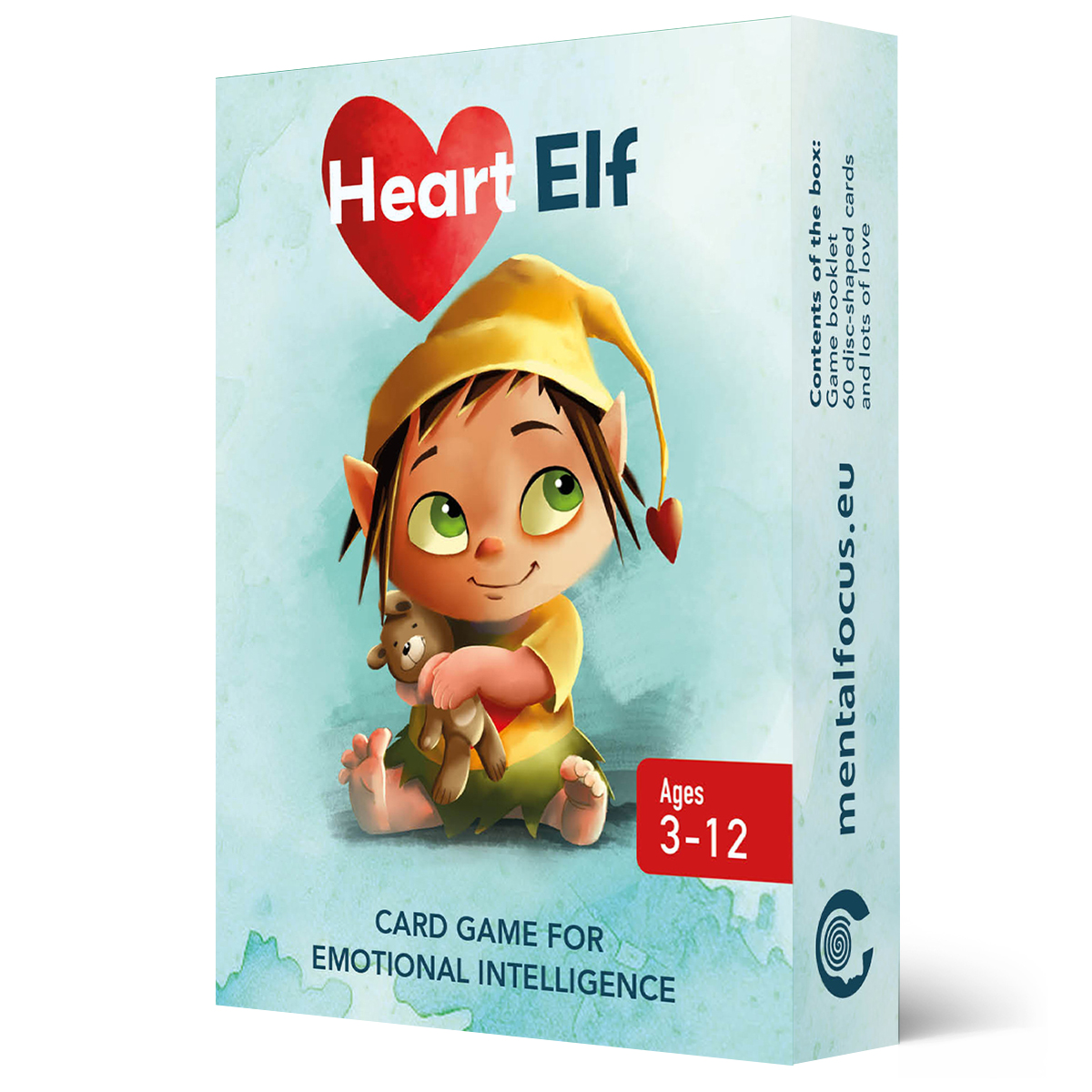
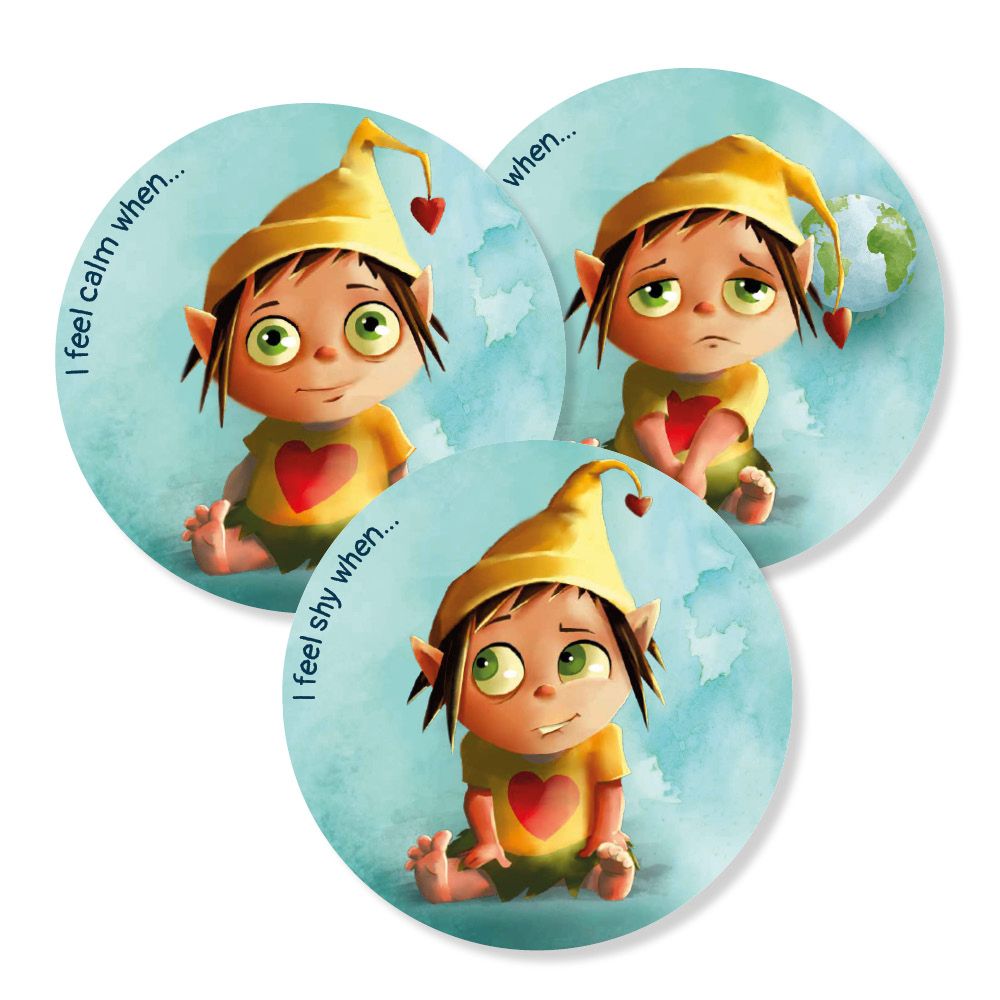
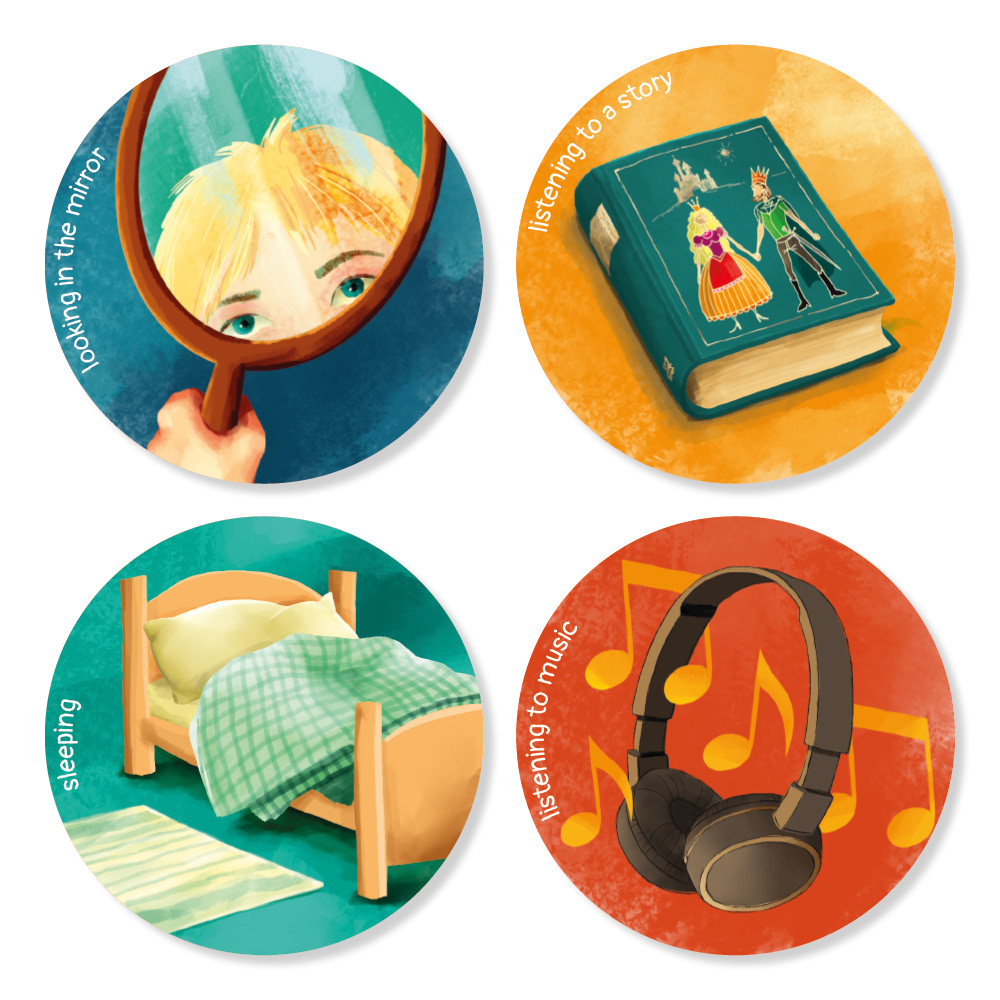
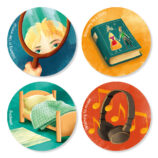
Heart Elf Card Game
Card Game For Emotional Intelligence
The Heart Elf Emotional Intelligence Card Game is an excellent tool for children to learn how to express and manage their emotions while respecting the feelings of others. Using the card game helps children to calm down in difficult emotional situations, such as sadness or anger, and is a playful way to learn healthy coping strategies. This helps them to cope better in challenging circumstances, develop social relationships and form deeper friendships.
- Estimated Delivery: Up to 4 business days
- Free Shipping: On all orders over €65
Children with high emotional intelligence are more effective in dealing with conflict, are mentally healthier, happier, more balanced, and do better in school and other areas of life. The Heart Elf Emotional Intelligence Card Game is an excellent tool for children to learn how to express and manage their emotions while respecting the feelings of others. Using the card game helps children to calm down in difficult emotional situations, such as sadness or anger, and is a playful way to learn healthy coping strategies. This helps them to cope better in challenging circumstances, develop social relationships and form deeper friendships. Explore the magical world of emotion regulation together with the Heart Elf card game!
Heart Elf – Card Game For Emotional Intelligence
Your child’s emotional well-being, behavior, and even their future depend on how well they can manage their emotions. How can you teach them emotion regulation? How can you develop their emotional intelligence?
This is tricky because we adults often have difficulties in consciously recognizing and managing our own emotions, which makes it hard to pass these skills on to our children. What can we do? Help them recognize and manage their emotions through playful games that will allow not only the children but us adults to learn as well.
The Heart Elf Emotional Intelligence Card Game for children aged 3–12 can help with this.
Why should you play with Heart Elf cards?
Our emotions form the foundation of how we feel and how we respond to the world around us. Children’s behavior is largely influenced by their emotions, as the frontal lobe, responsible for rational thinking, is not yet fully developed. This is why children often react impulsively or struggle with regulating their emotions—causing them to have breakdowns, become frustrated, experience tantrums, or sulk. In addition, many of the conflicts between children also arise due to insufficient emotion regulation.
What can we do?
First and foremost, we can help them by teaching them to recognize and name their emotions, and showing them how to manage them. As children grow older, their emotional world becomes more complex, so it’s best to start teaching these skills as early as possible. Research from recent decades and findings from positive psychology clearly demonstrate the importance of emotional intelligence and emotion regulation for our mental and emotional well-being.
This card game helps children learn these skills in a playful way. Playing a game with emotions at its center helps children recognize, identify, express, and regulate their emotions. Through conversation while playing, you can help your child explore their feelings, which not only aids in the development of emotional intelligence, but also strengthens the connection between you.
During the game, children open up in a safe environment and can engage with emotions in a way that is most accessible to them, enabling them to understand their feelings on a deeper level.
Plus, the game can be played in various ways — with family, in kindergarten or school groups, during holidays, or even at home, just the two of you.
Why is developing emotional intelligence important in childhood?
Emotional Intelligence (EI, also known as EQ) involves the ability to recognize, understand, and manage emotions, as well as the skills of empathy, social relationships, and emotional self-regulation. Here are a few reasons why developing children’s emotional intelligence is especially important:
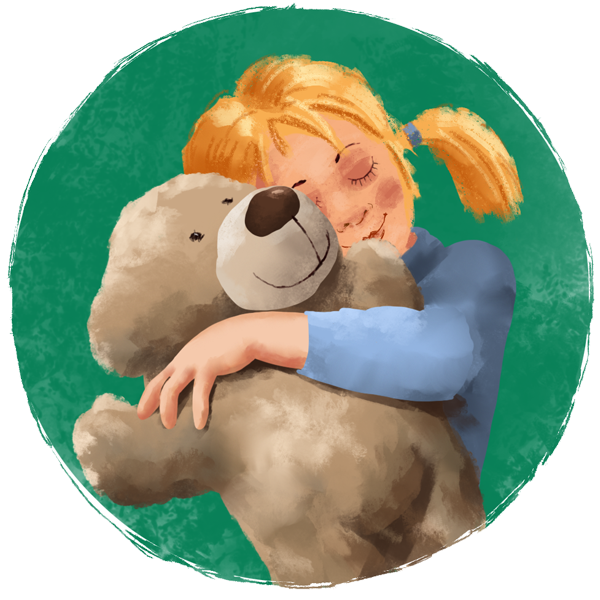
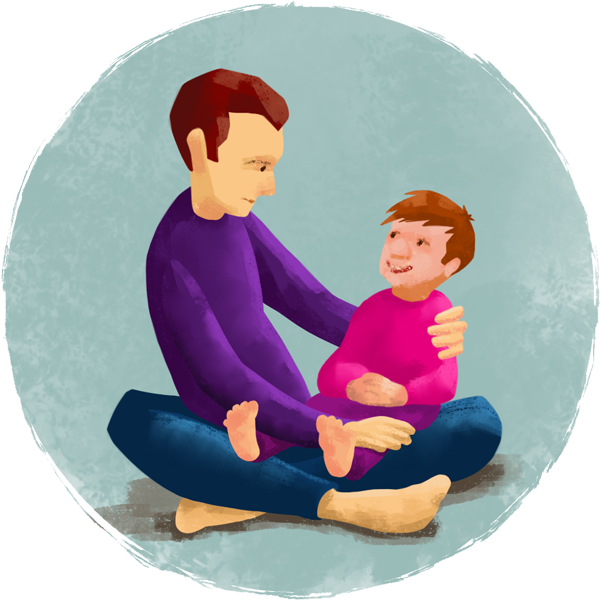

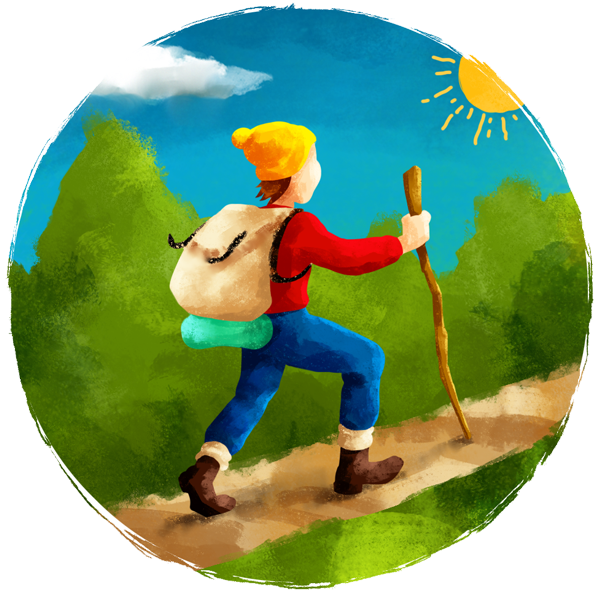
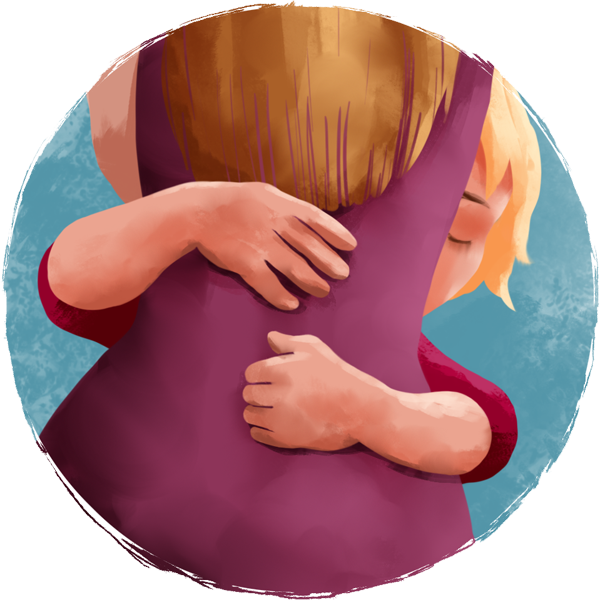

Emotional intelligence not only improves children’s current quality of life, but also has a long-term positive effect on their happiness and success. Parents and educators play a key role in this process, as they provide the support and learning opportunities that help children acquire these vital skills.
With the Heart Elf Cards, learning becomes more engaging and varied, making it exciting and enjoyable for both preschool and school-age children.
Why is the playful method the best for developing emotional intelligence?
Play is a child’s most natural way of learning, which is why playful methods are highly effective for developing emotional intelligence. While traditional learning can sometimes feel dull for children, and many parents find it hard to talk about emotions—often because they haven’t learned how to themselves—a card game like Heart Elf makes it easier for both children and adults to open up.
The game gives children an opportunity to express their emotions freely, whether positive or negative. It helps them understand and manage their feelings. Through playing together, children learn social skills like how to cooperate, share, take turns, and handle conflicts––all of which are important elements of emotional intelligence.
Play-based activities create a safe and supportive space where children can experiment and learn from their mistakes without fear of harsh judgment. During play, children also get the chance to experience others’ emotions, which supports the development of empathy. They learn how others feel, and how to respond appropriately.
While playing, children also learn to control their impulses, follow rules, and think ahead — all of which are essential for emotional self-regulation. Positive feedback during play strengthens their self-confidence and self-esteem, encouraging them to continue developing emotional skills. Creative games and challenges also support the development of problem-solving abilities and creative thinking, both of which are important aspects of emotional intelligence.
What’s included in the Heart Elf Card Set?
- 28 Emotion Cards
- 30 Action Cards
- 2 Mood Indicator Cards (Gloom and Cheer)
- An Activity Booklet full of tips and game ideas — so the fun never stops!
About the author

| Product Details | 28 Emotion Cards |
|---|
Reviews
0 out of 5 stars
Add a review
You may also like…
-
Heart Elf Calming Breath Cards
21.99 € -
Gate of Adventures Card Game
19.99 €
Csilla Berencsi-Eke Péter Vermesy Primary School and Elementary School for the Arts, Maglód –
Csilla Berencsi-Eke Péter Vermesy Primary School and Elementary School for the Arts, Maglód
This game really helps children get to know their feelings. They often find it hard to identify their emotions, but Heart Elf’s charming little face makes them more accessible. During the game, several children recognized themselves in the cards, and even the quieter ones were able to connect with their own emotions.
“It’s just really fun to play with.”
“This was the best class ever!”
Csilla Berencsi-Eke
Péter Vermesy Primary School and Elementary School for the Arts, Maglód
Mrs. Dombi István Bocskai Elementary School of Derecske –
Mrs. Dombi István Bocskai Elementary School of Derecske
I see so many more possibilities in these cards, and I’m sure I’ll be using them often in my lessons.
“This was so much fun!”
“Can we play again this afternoon?”
“I wish we had this game at home!”
“Wait, is that the bell already?” — said the kids.
Mrs. Dombi
István Bocskai Elementary School of Derecske
Mrs. Andrea Fervágner Sándor Nefelejcs Preschool for the Arts, Csömör –
Mrs. Andrea Fervágner Sándor Nefelejcs Preschool for the Arts, Csömör
I used the Heart Elf card game in my mixed-age kindergarten group, and the atmosphere throughout was cheerful and full of curiosity. The children were excited to see what the next card would reveal. The pictures and sentence starters naturally sparked ongoing conversations — the class were eager to share stories, experiences, thoughts, and feelings.
Many of the negative emotions were transformed into pleasant ones through the power of gratitude. The game encouraged the children to pay attention to one another, listen to their peers, and build on each other’s experiences. Sometimes, their wishes and dreams would come to life through their imagination.
With three different types of cards, the game offers endless possibilities, and there’s always a way to keep children engaged. There are no forced rules; they always have a choice.
I’ve never used a card game that boosted joy and sparked such rich conversation in the classroom the way this one has. I’m deeply grateful for the Heart Elf cards!
Mrs. Andrea Fervágner Sándor
Nefelejcs Preschool for the Arts, Csömör
Angelika Fenyves Sípos Street Kindergarten, Debrecen –
Angelika Fenyves Sípos Street Kindergarten, Debrecen
The Heart Elf card game sparked a lot of interest among the children. They really loved the artwork and the little illustrations. During group play, they were highly engaged—we sorted emotions into positive and negative, and practiced expressing them through facial expressions and body language. When it came time to talk, the children were eager to share their own feelings—surprisingly, they were most open about the negative ones.
This was yet another confirmation of just how timely and important emotional intelligence development is.
I wholeheartedly recommend the Heart Elf card game to both teachers and parents. It offers a wonderful opportunity to support children’s personal development—especially when it comes to building emotional intelligence. It’s an incredibly effective tool for helping children identify, differentiate, and express their emotions in a playful, effortless way.
Angelika Fenyves
Sípos Street Kindergarten, Debrecen
Henriett Széll Preschool teacher, special education teacher, “Happiness Lesson” instructor –
Henriett Széll Preschool teacher, special education teacher, “Happiness Lesson” instructor
The illustrations are lovely, expressive, and perfectly suited to the children’s age group—and even as an adult, I found the different Heart Elf faces moving. This game is a wonderful way to help children get to know themselves and each other in a playful, engaging way through questions and actions, all the while building their social skills.
With younger children, we mostly used the basic emotions—they were able to recognize them and tell from the cards what had happened to the elf, and whether they were feeling gloomy or cheerful. The images immediately sparked their curiosity, and they examined and mimicked the elf’s realistic facial expressions with great interest.
With older children, we could explore the full range of the game, both in terms of the emotion and the action cards. They were able to name and select cards, talk about what they saw, and follow the game rules with ease. Their shining eyes and smiling faces showed just how much they enjoyed playing with the Heart Elf and how much more freely and bravely they could express their emotions.
As both a teacher and a parent, I can confidently recommend the Heart Elf card game starting from early kindergarten age—that is, from around age 3-4. It offers a gentle and effective way to introduce young children to the world of emotions, helping them grow into confident, emotionally expressive, and emotionally regulated school-ready individuals by the end of pre-school.
When used at home, the cards create beautiful opportunities for meaningful, quality time as a family. At the same time, they gently encourage little ones to open up about their feelings and learn how to respond to them—especially when they see that mom, dad, and their siblings are doing the same.
I especially recommend the game for use in kindergartens. It fits seamlessly into a teacher’s toolkit and is an outstanding resource for emotional development. The variety of games it offers makes it easy to adapt activities to the age and individual needs of any group. It encourages children to start putting emotions into words as early as possible.
The Heart Elf card game helps develop young children’s social skills and emotional intelligence — all while they’re having fun. And it’s not just enjoyable for them: adults, too, can find themselves drawn into the experience, learning to express emotions freely and playfully alongside the children.
Henriett Széll
Preschool teacher, special education teacher, “Happiness Lesson” instructor
Andrea Tóth –
Andrea Tóth
“Mom, you know I hate card games!” — That was her first reaction.
But little by little, we got completely drawn into this fantastic, conversation-sparking game.
I’ve always known my daughter has incredible communication skills, but the way she expressed every single emotion as we played was just amazing. The only tricky moment came at the end, when we had to stop and go take a bath!
The illustrations are adorable, the concept is brilliant, and I love that the cards are round!
Andrea Tóth