


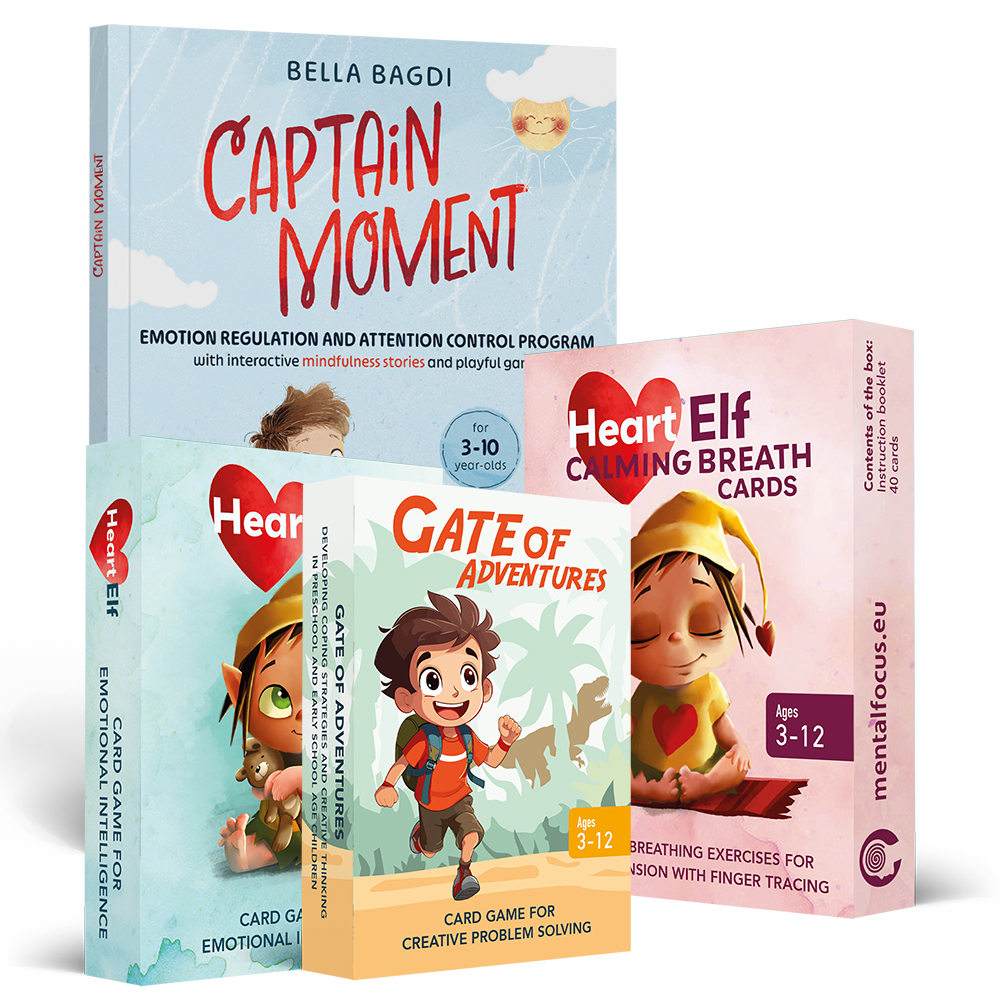

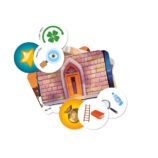
Heart Elf, Gate of Adventures & Captain Moment Bundle
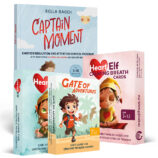
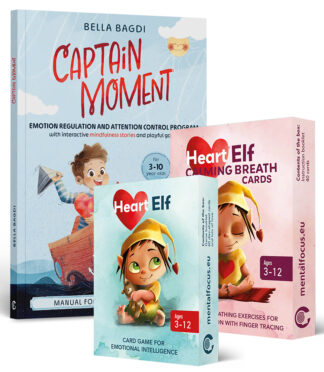
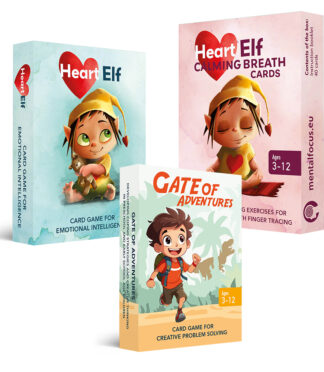
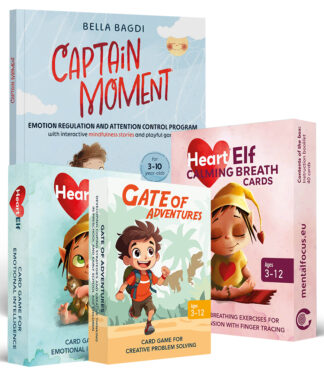
Heart Elf Card Game, Heart Elf Calming Breath Cards, Captain Moment – Emotion Regulation and Attention Control Program, and Gate of Adventures Card Game — all in one bundle.
- Estimated Delivery: Up to 4 business days
- Free Shipping: On all orders over €65
Package contents:
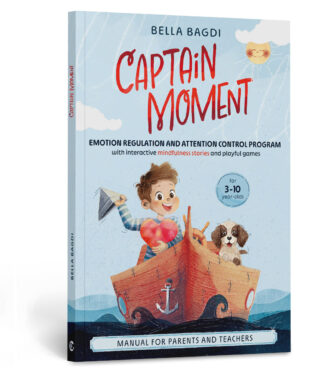
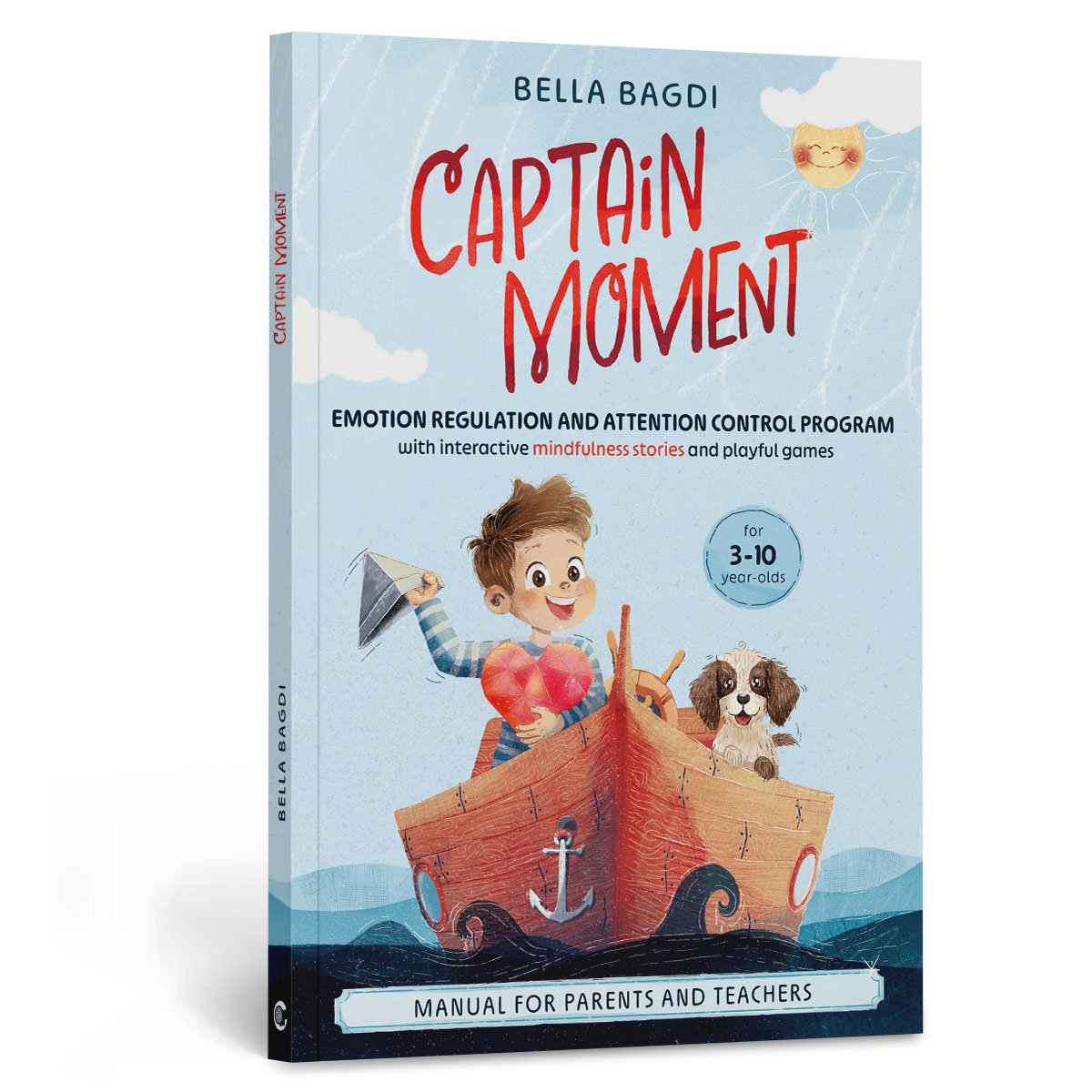
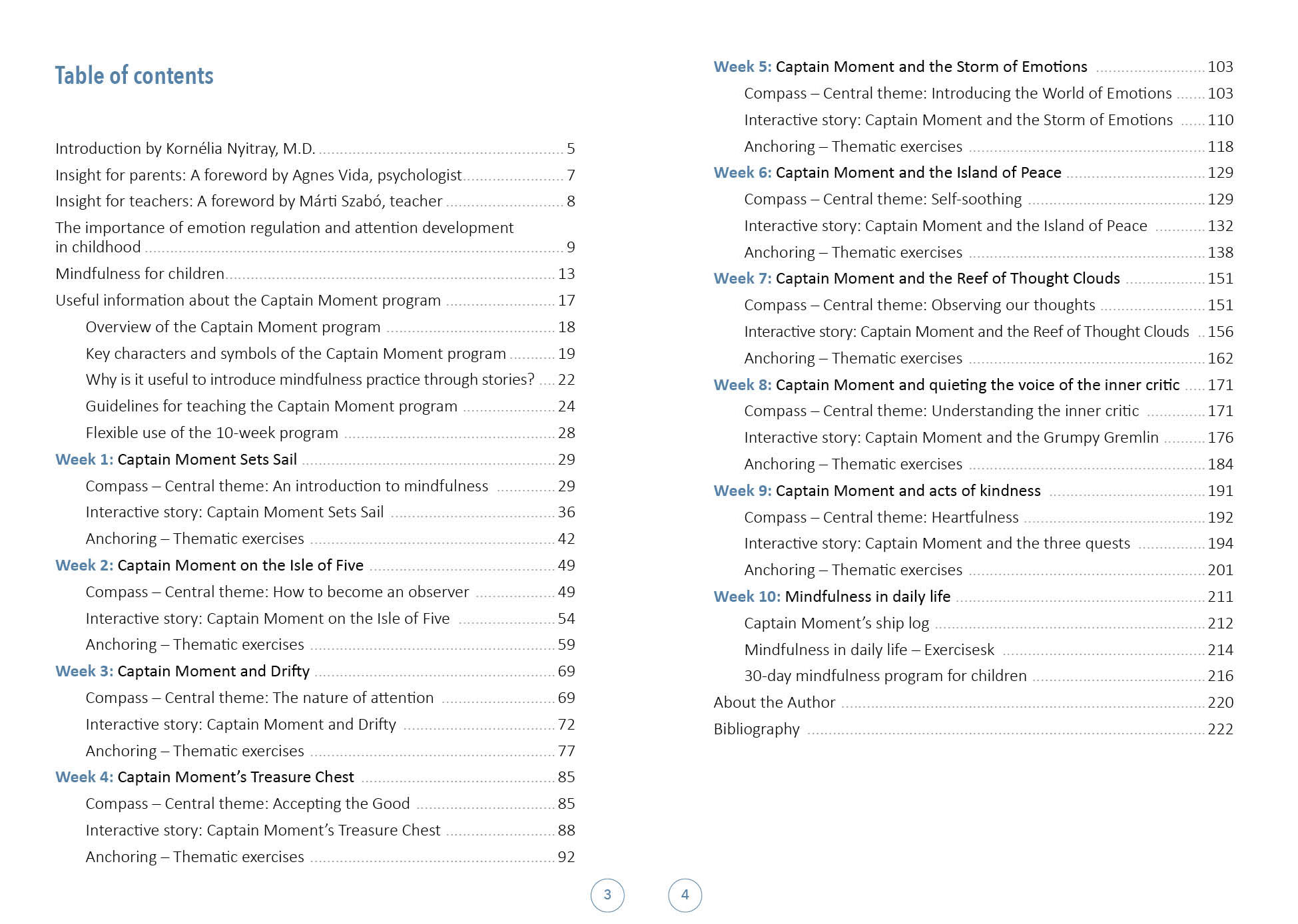
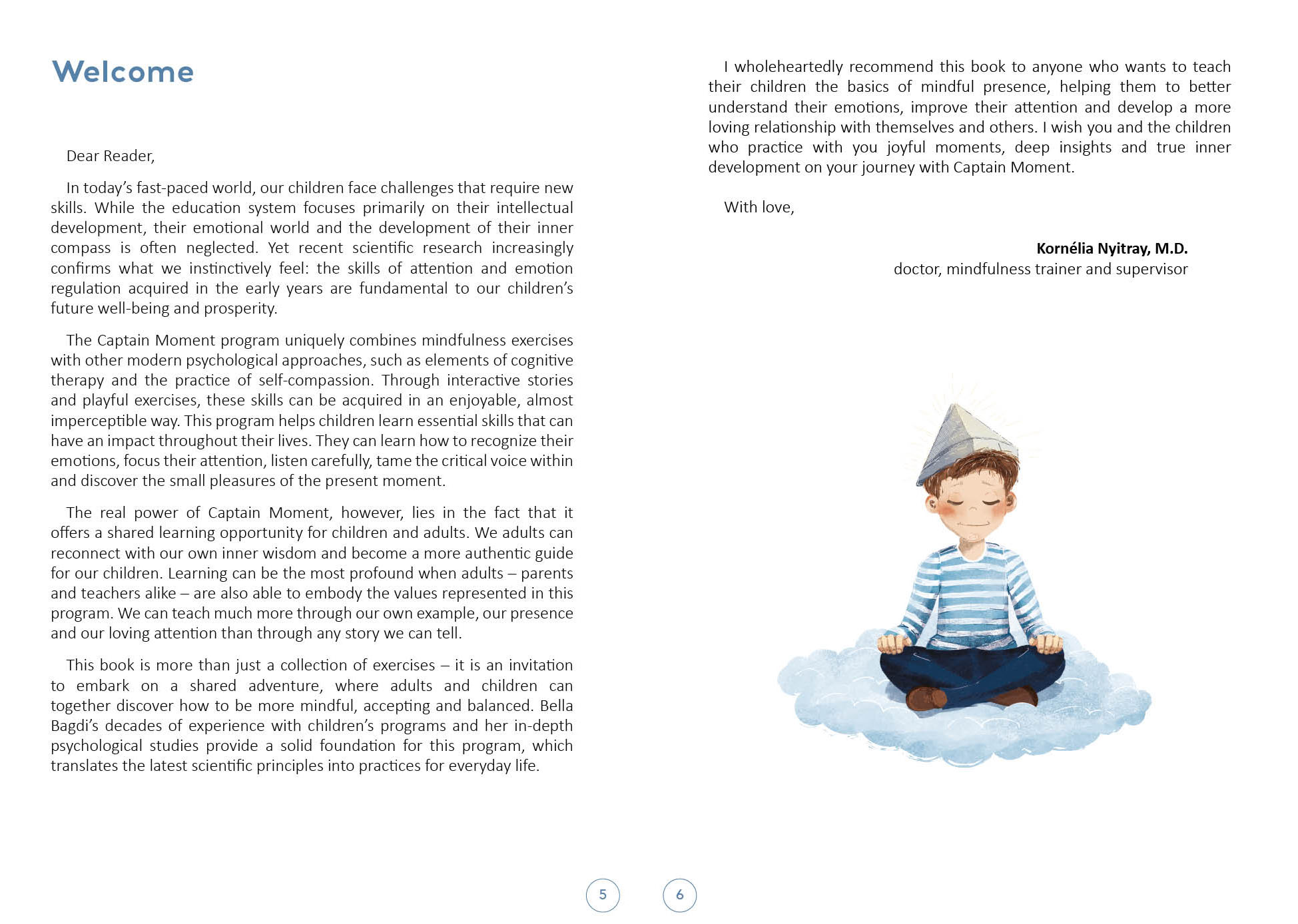
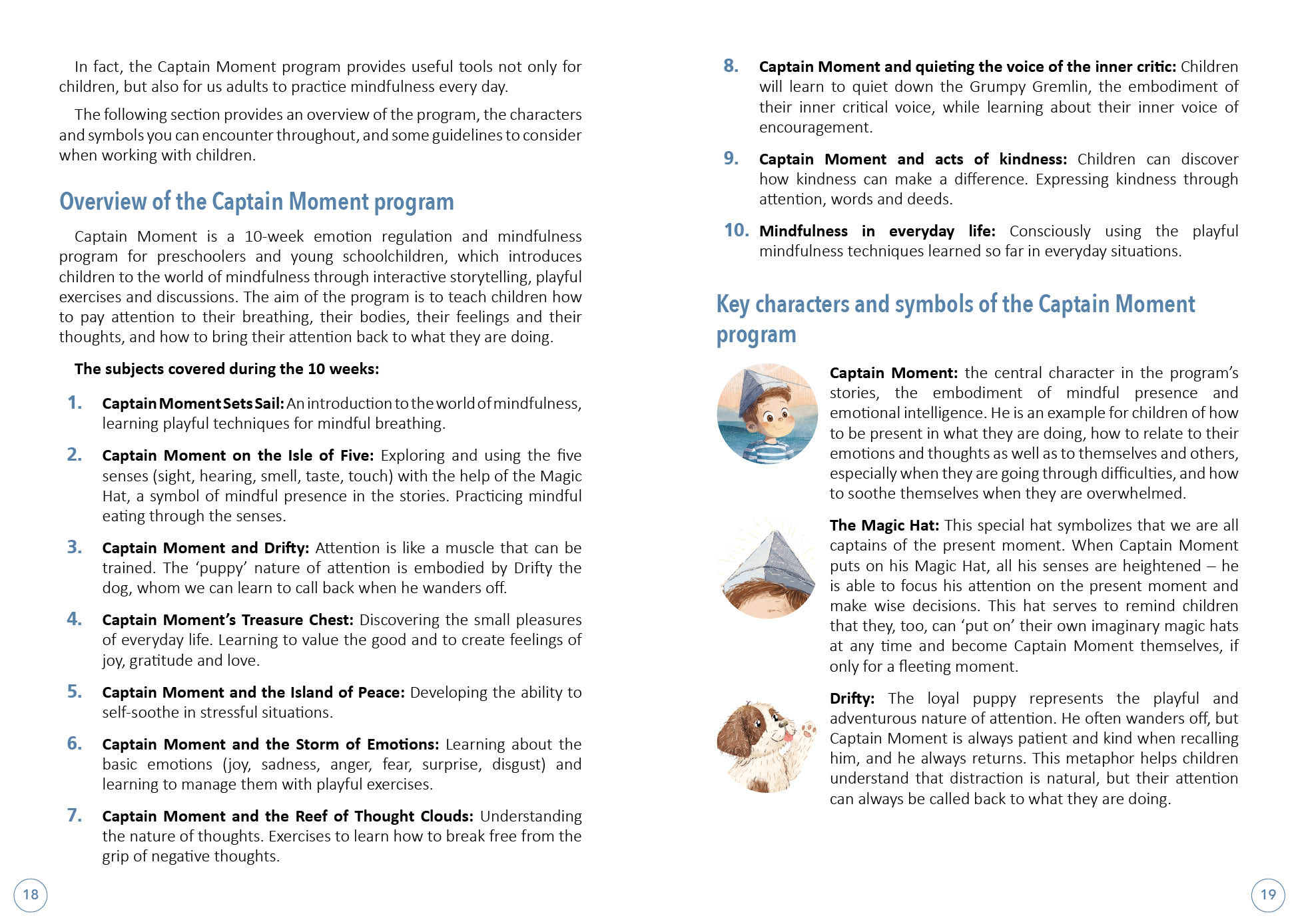
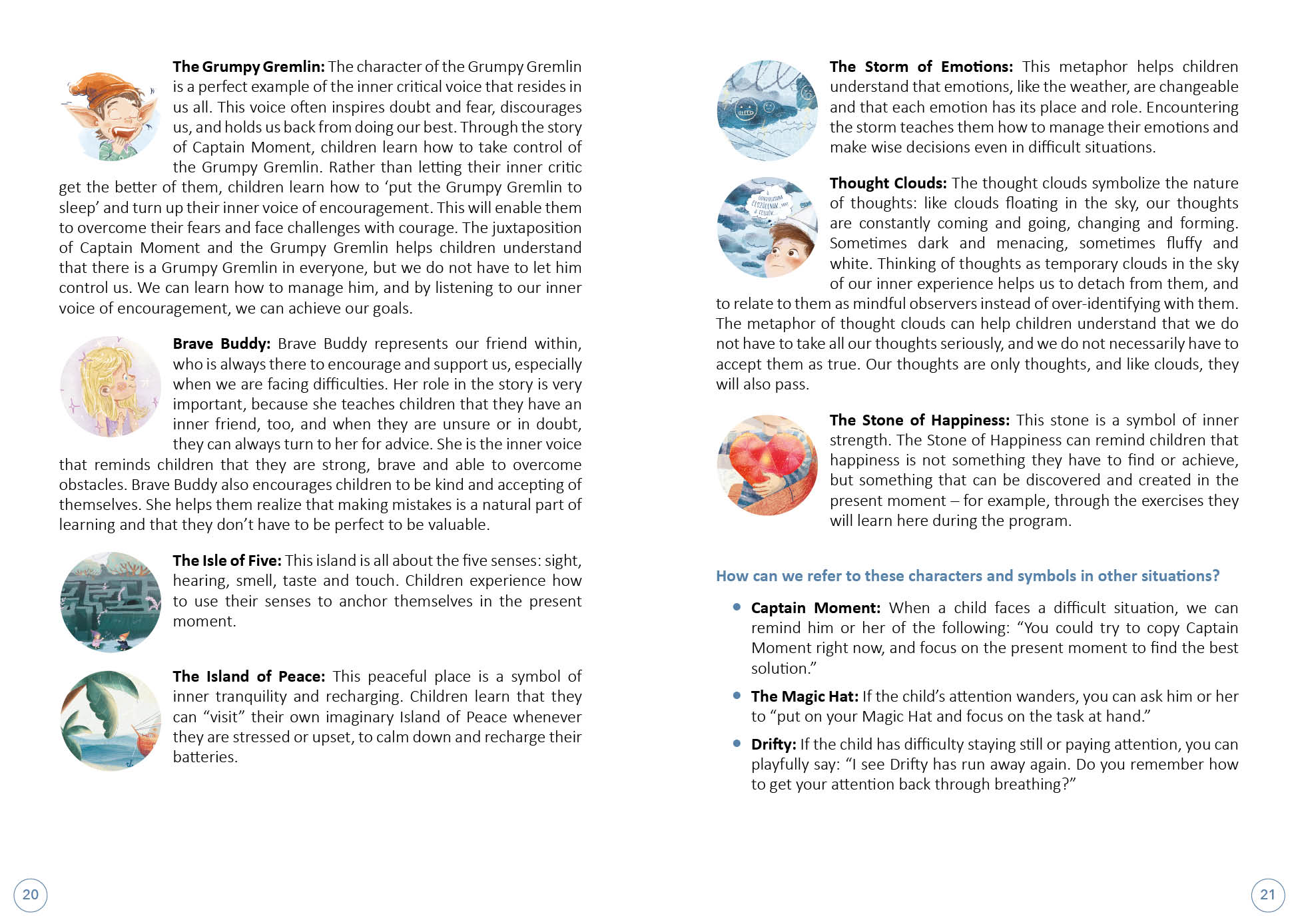
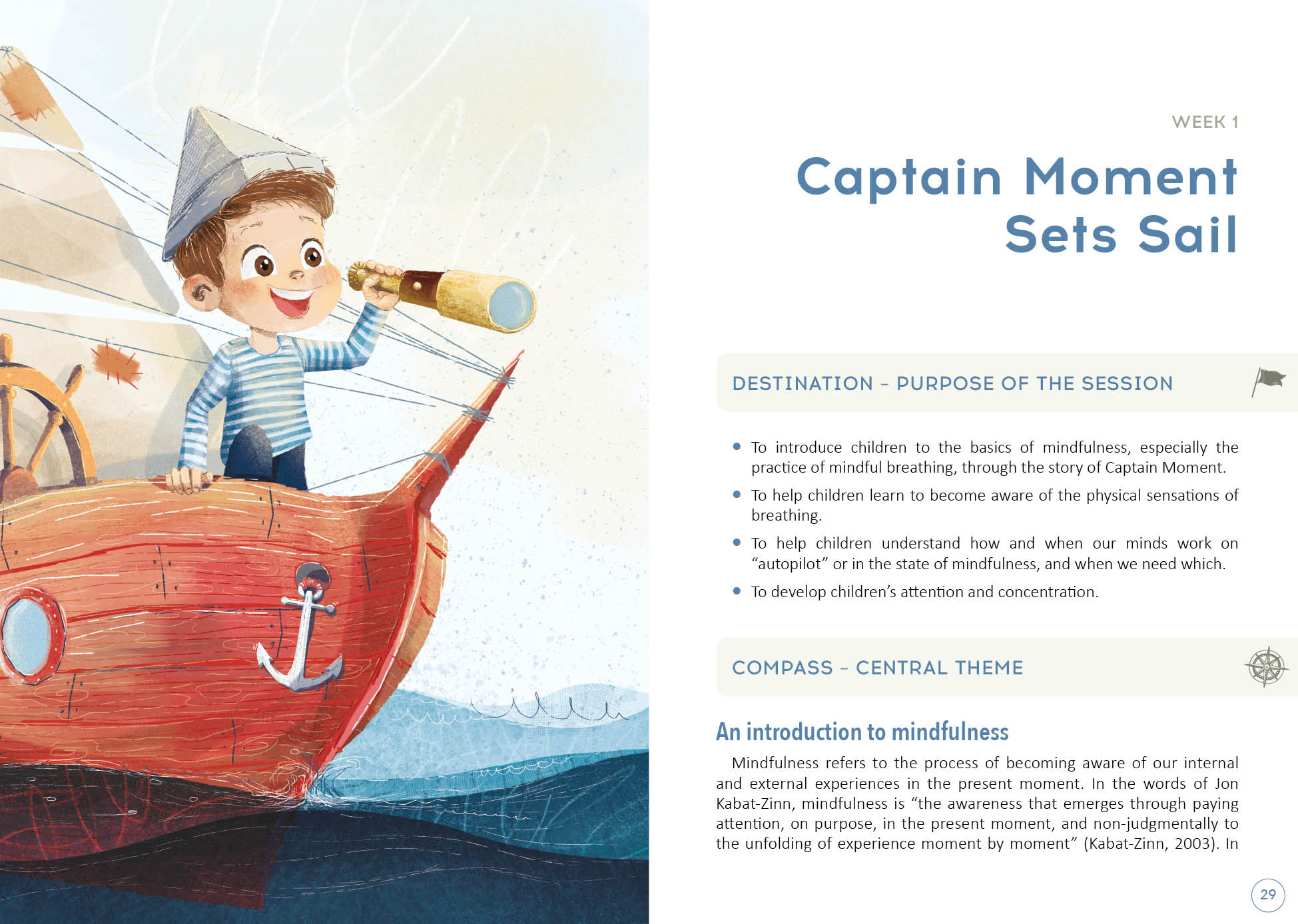
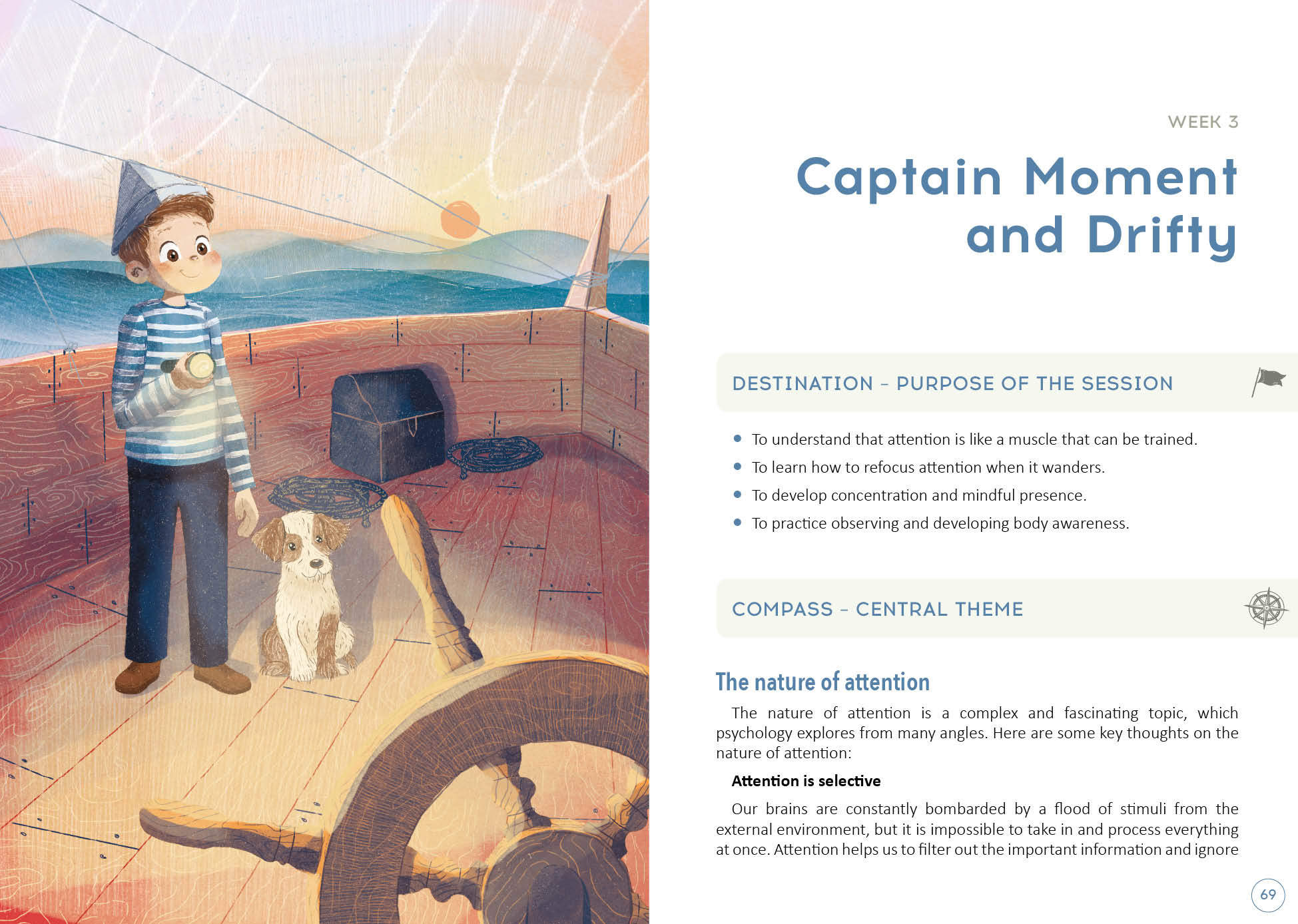
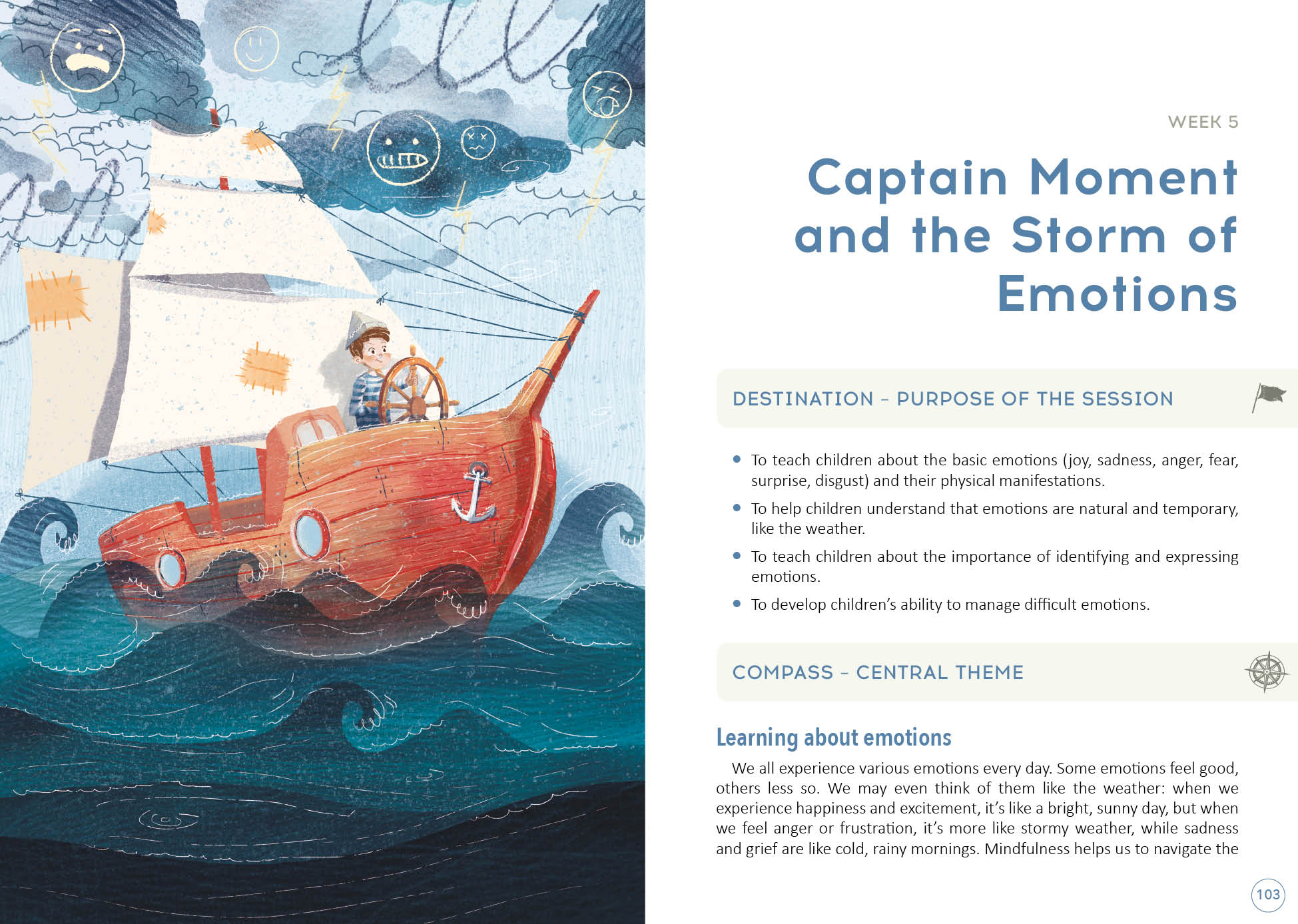
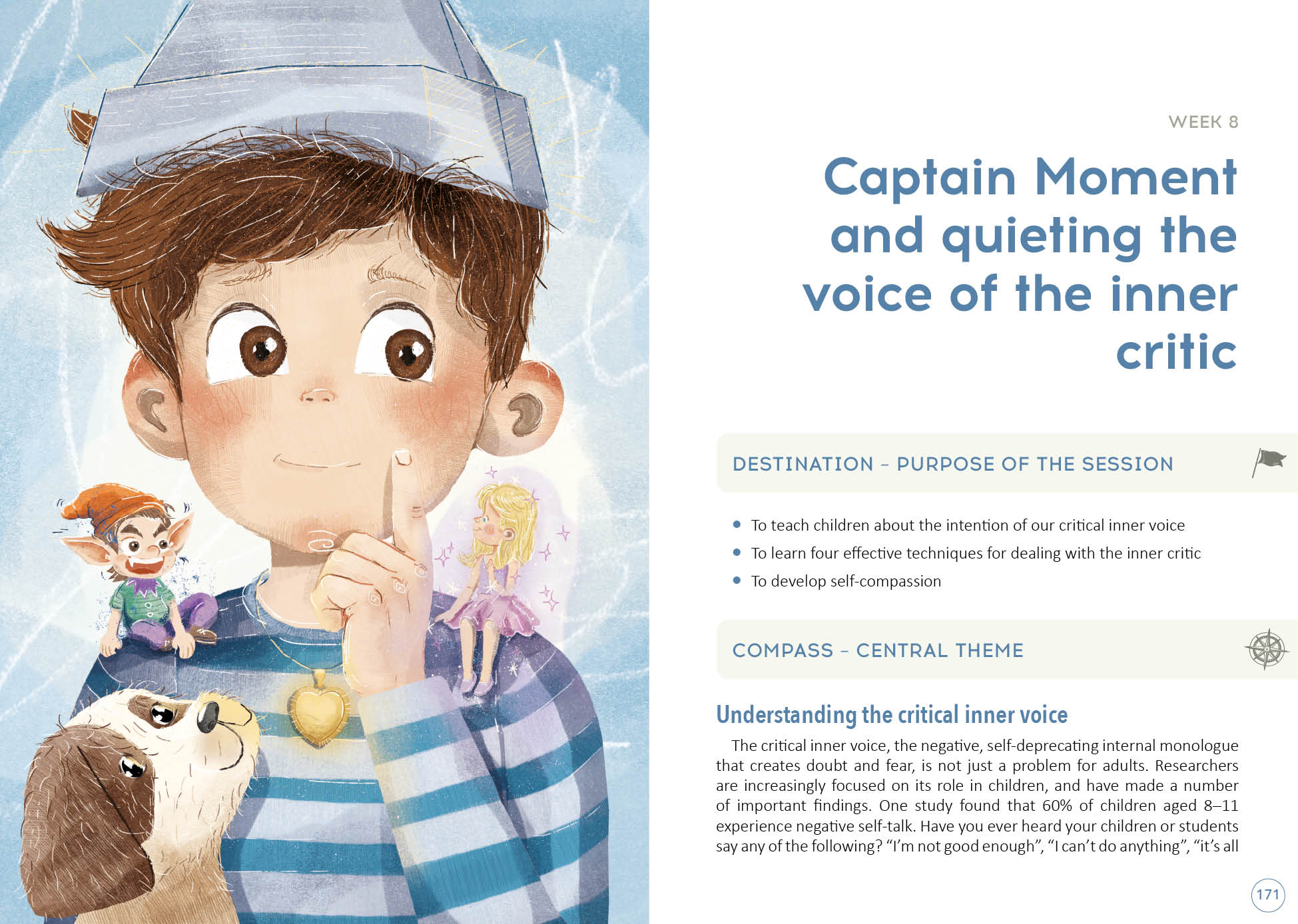
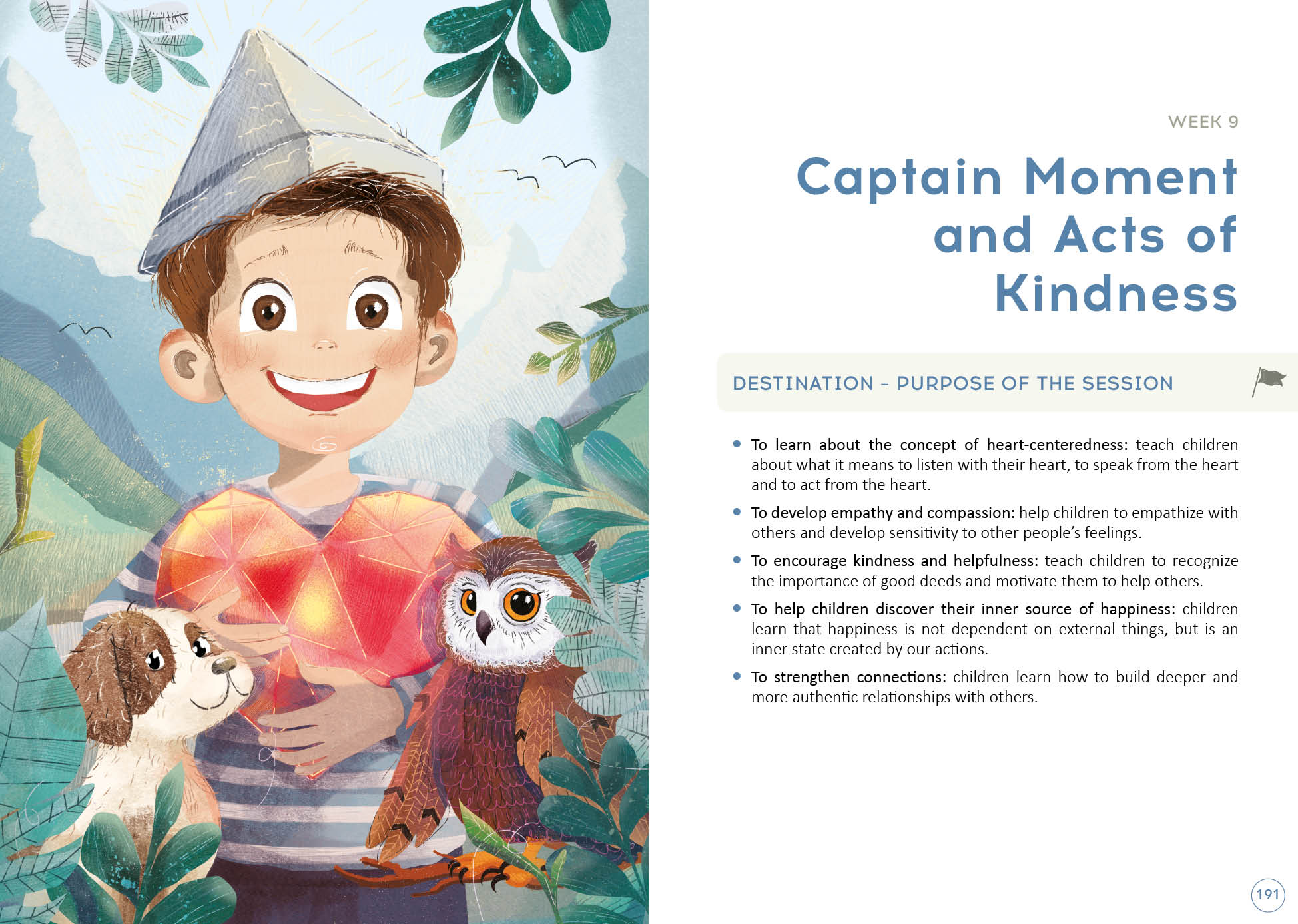
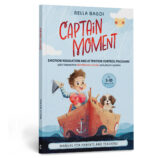
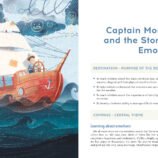
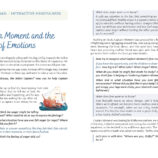
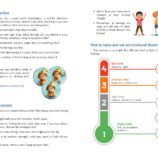
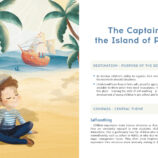
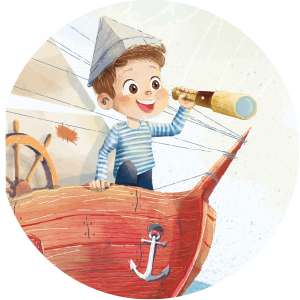
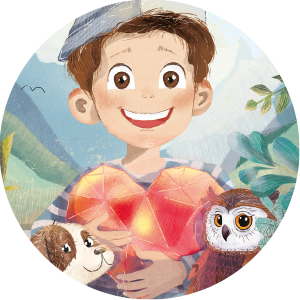
Captain Moment – Emotion Regulation and Attention Control Program
Inside the Handbook:
- 228 pages of valuable insights in the handbook
-
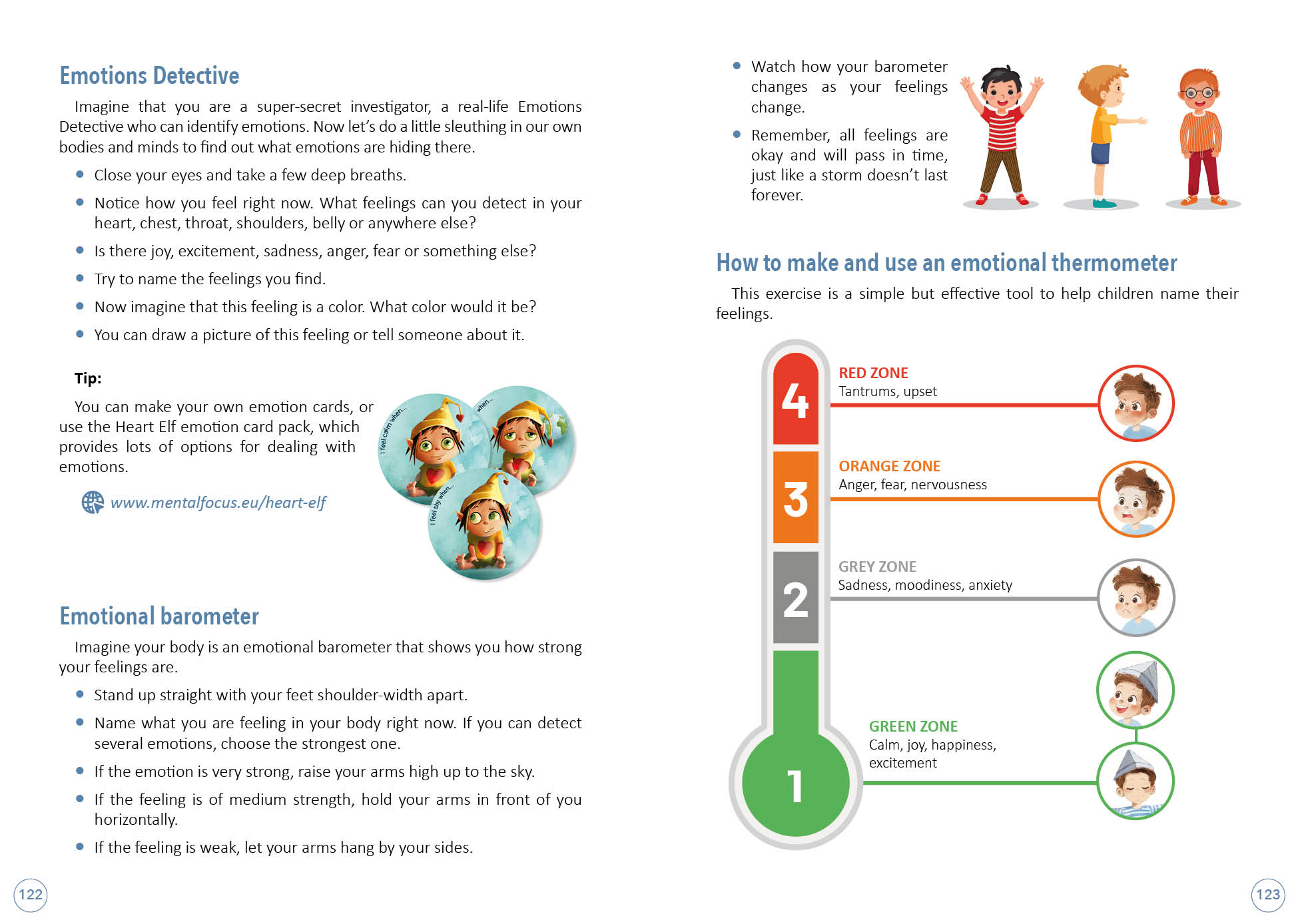
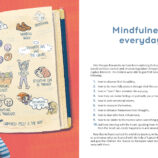
85 playful exercises to practice emotion regulation and mindfulness
-
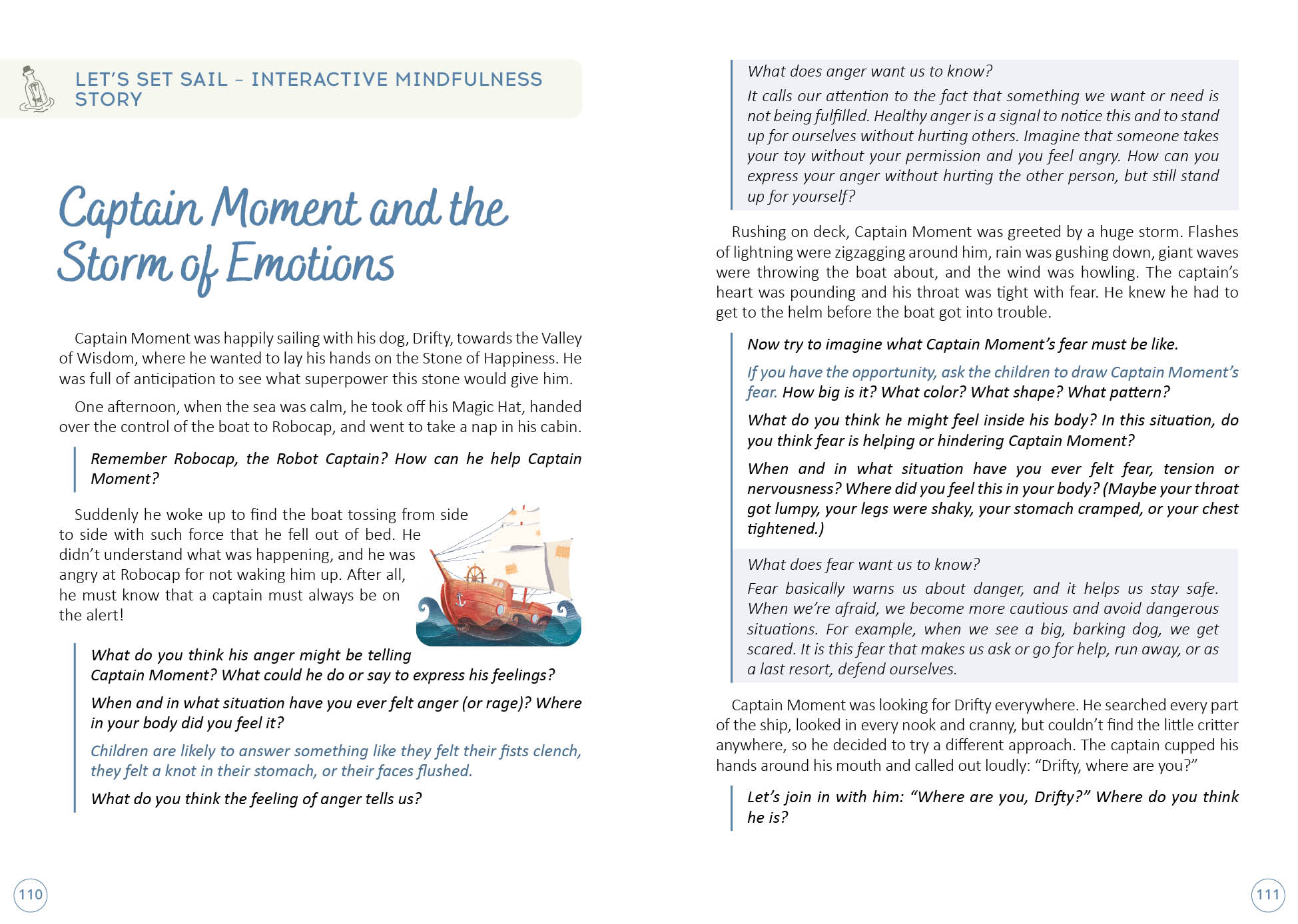
9 interactive mindfulness stories
-
10 week session plans
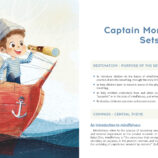
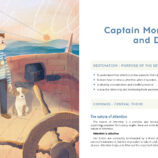
- 36 story illustrations
- Exercises suitable for preschool, school, and home use
- Theoretical background for 10 key topics
- Tips and ideas for engaging activities
- A wide range of colorful, eye-catching images and illustrations
Through the adventures of Captain Moment, children can:
- Learn the basics of emotion regulation
- Master techniques to control their attention
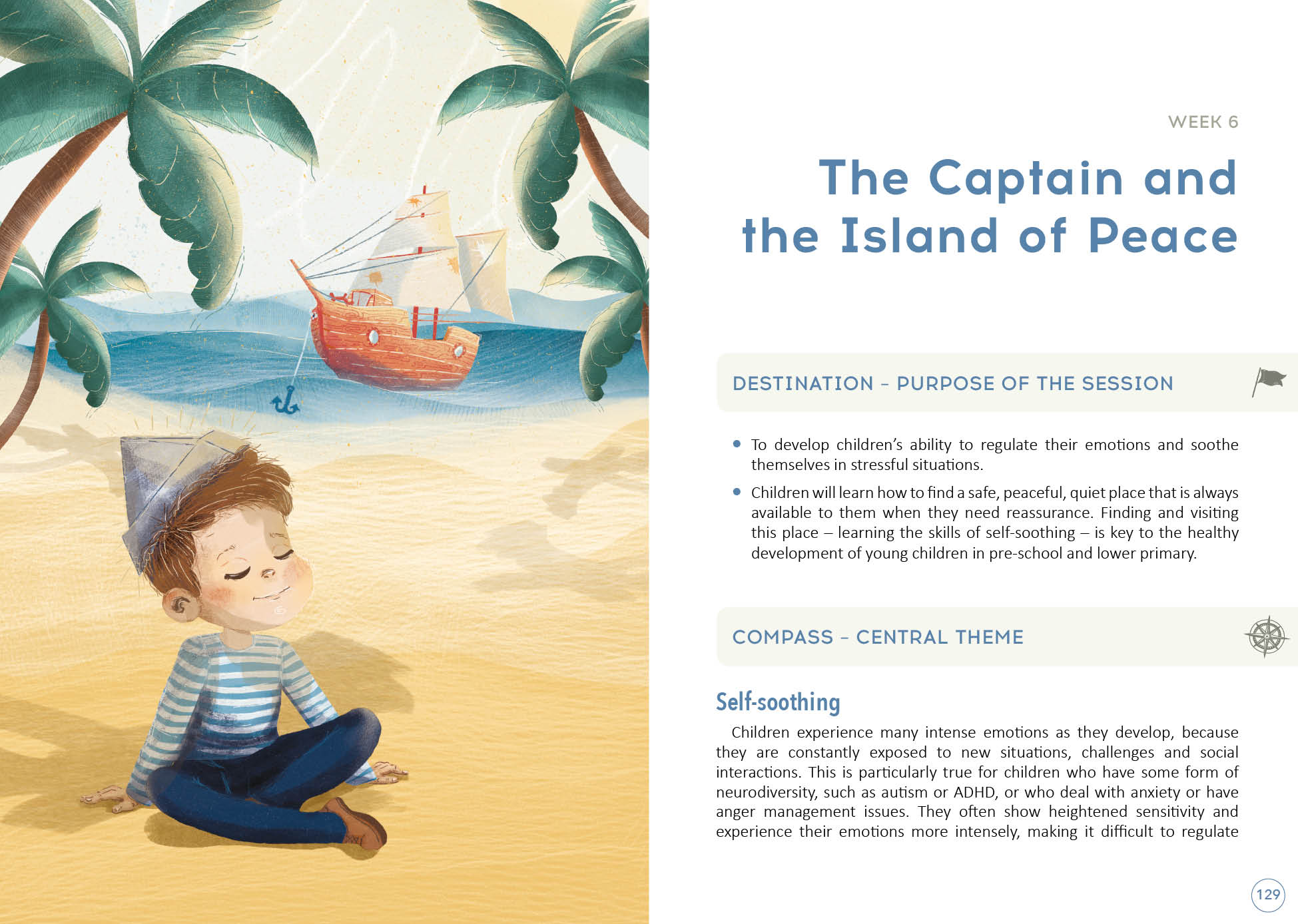
- Learn self-soothing techniques to manage stress more easily
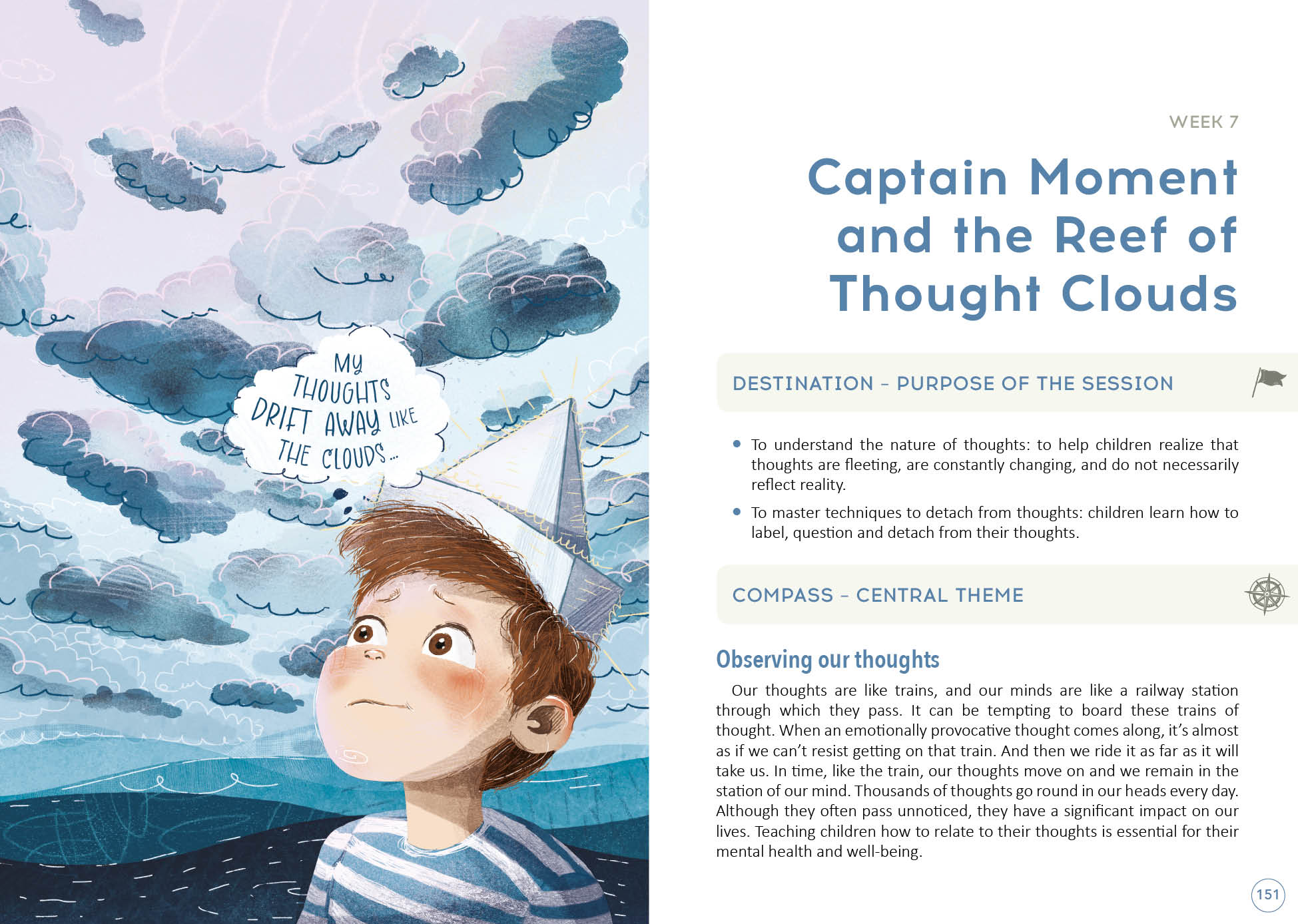
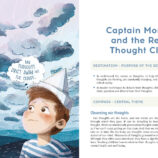
- Learn how not to get trapped in negative thoughts
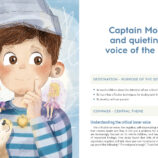
- Learn how to quiet their inner critical voice
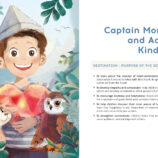
- Learn how to be more open and accepting of themselves and others
The Captain Moment program introduces children to the world of mindfulness through interactive stories, playful exercises, and discussions.
The goal of the program is for children to learn how to relate to their feelings and thoughts, and teach them how to bring their attention back to whatever they are currently doing.
Why is it important for children to learn emotion regulation and attention control?
Tantrums, outbursts, fighting, impulsive behavior: why does a child act like this?
Children often become impatient, tense, strike out at other children for no reason, interrupt others, or lack the patience to finish tasks at school or kindergarten. These behaviors are often misunderstood as ‘misbehaving’, but the real reason lies in the child’s inability to regulate their emotions.
Insufficient emotion regulation in childhood can cause various problems, affecting different areas of the child’s development.
- If a child cannot manage their emotions, this might manifest in outbursts of anger or aggression, but they may also act impulsively (e.g. interrupting others, breaking rules, eating too quickly, rushing).
- Lack of emotion regulation can also negatively affect social relationships, as the child may struggle to make friends, frequently get into conflicts with peers, and fail to respond appropriately or understand others’ emotions.
- Children struggling with emotion regulation may also be more prone to anxiety or stress, especially in school settings, which can hinder their learning
Negative emotional reactions point to immature emotional skills, yet managing emotions is crucial for school readiness, academic success and mental health.
Does your child’s attention wander easily?
More and more children struggle with attention disorders, which is a result, in many ways, of today’s modern world, overloaded with artificial stimuli. And not only digital stimuli! Even a simple shopping trip to a hypermarket can overstimulate a developing child’s nervous system, making it hard for them to process the overwhelming amount of input. As a result, they may feel rushed, stressed, tense, frustrated, and unable to focus on tasks or even simple things like reading a story or playing a game they enjoy.
In this book, Bella Bagdi – psychologist, mindfulness teacher (MBSR, MBCT) and mindful self-compassion teacher (MSC) – offers simple and effective methods for preschool and early elementary school children to regulate their emotions and practice attention control.
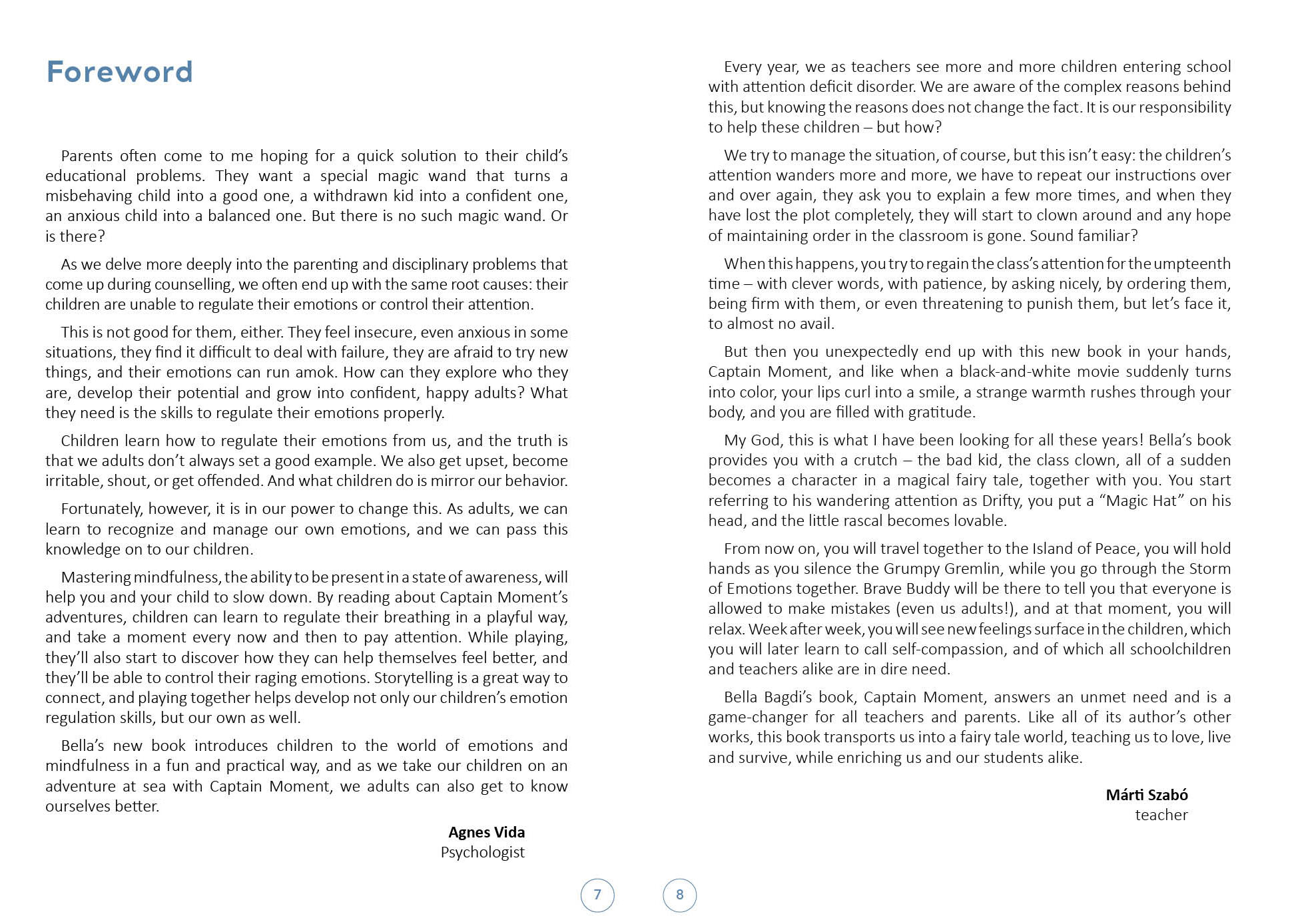
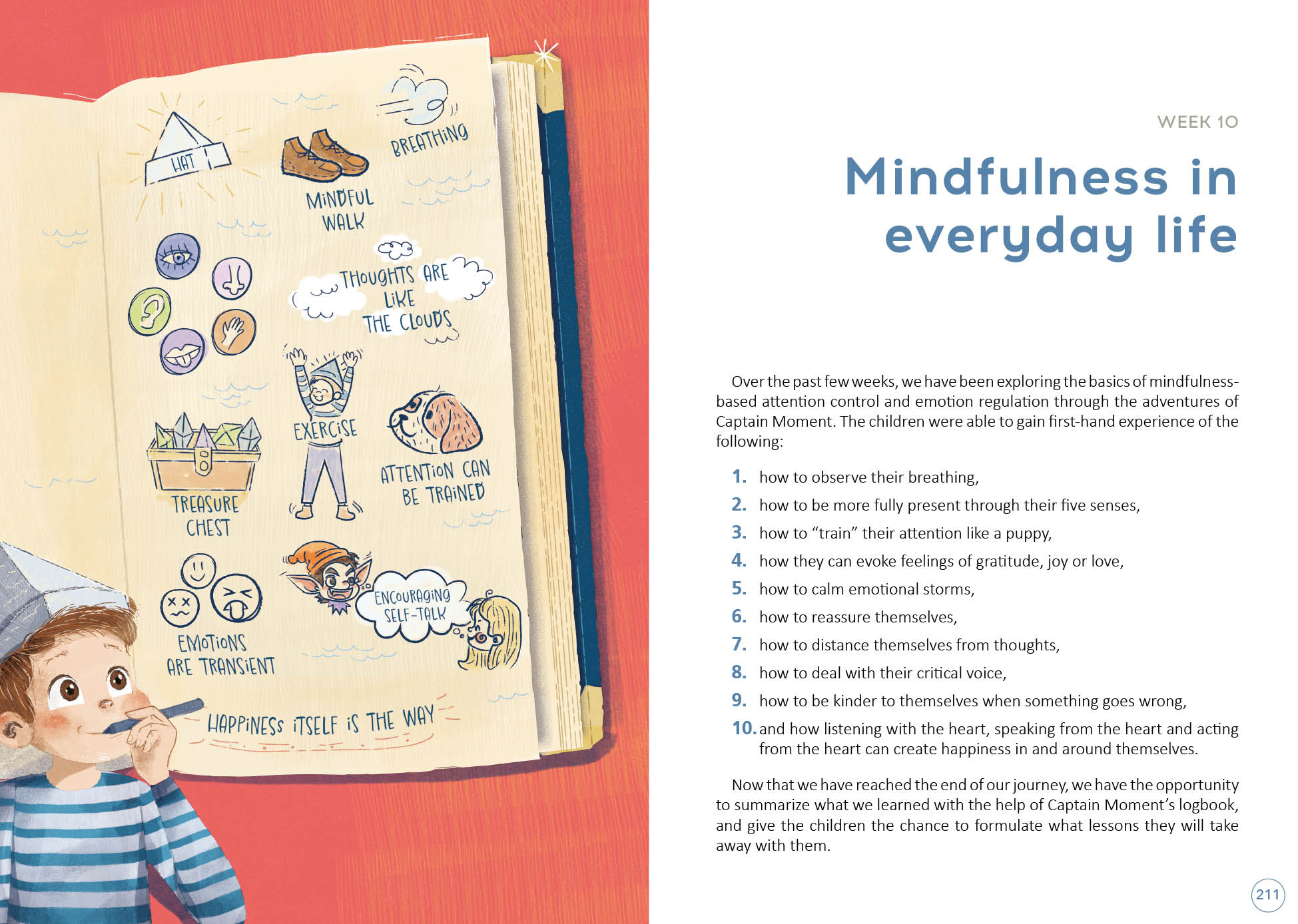
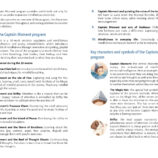
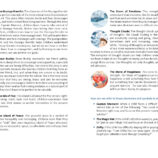
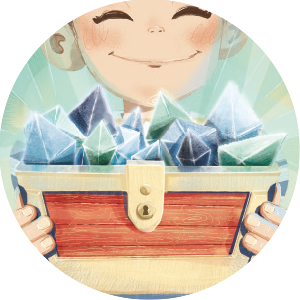
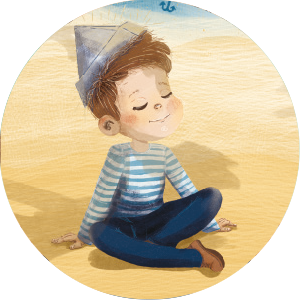
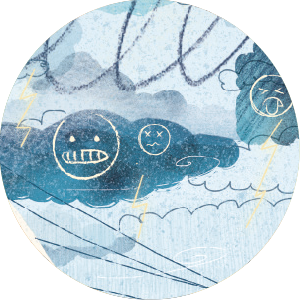
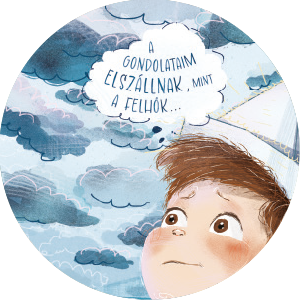
The Captain Moment Program’s 10 Weekly Themes:
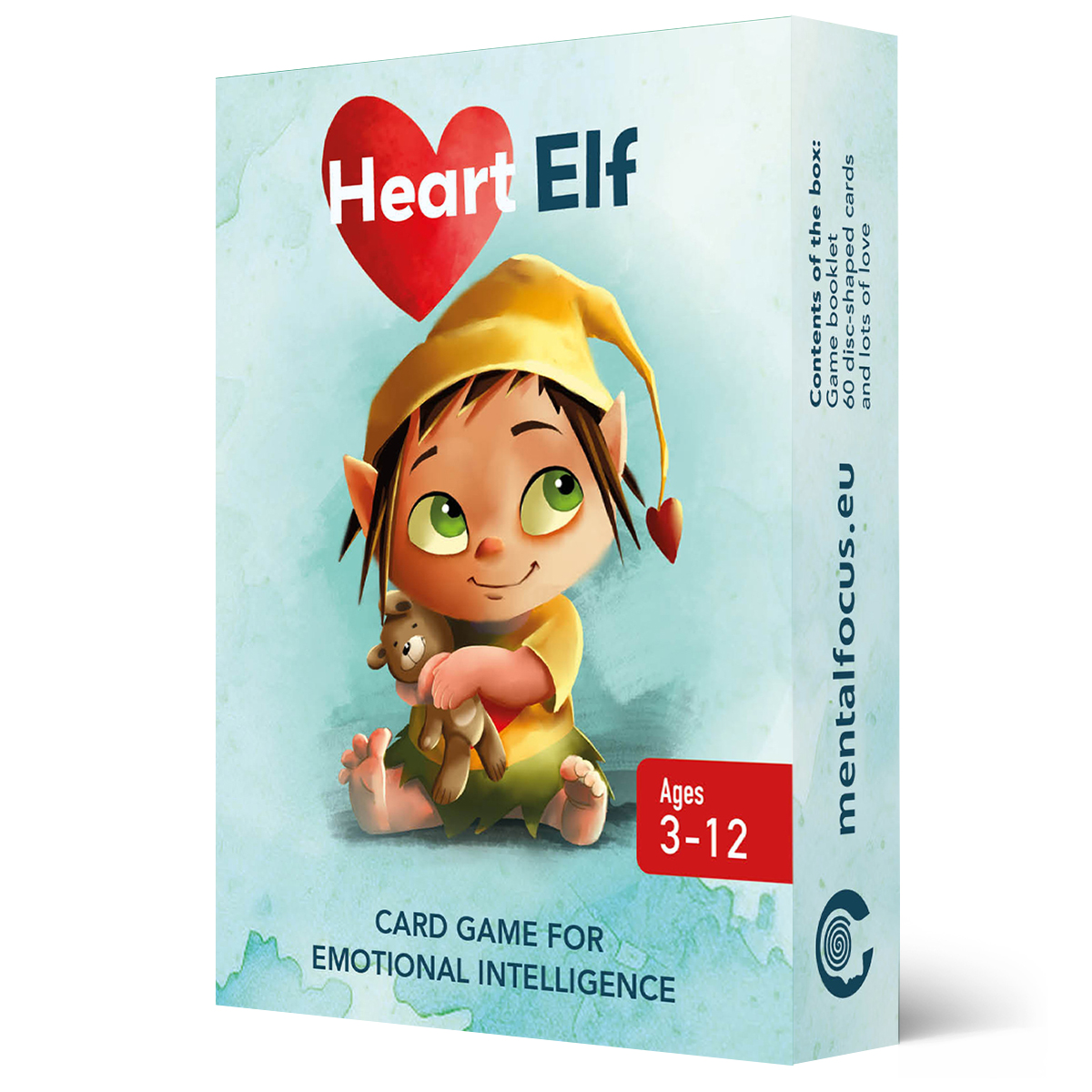
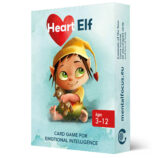
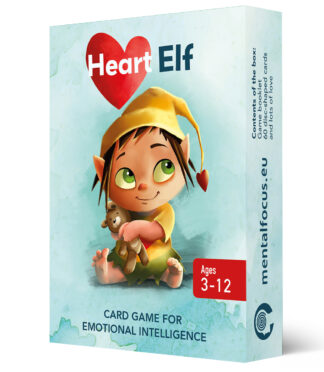
Heart Elf – Card Game For Emotional Intelligence
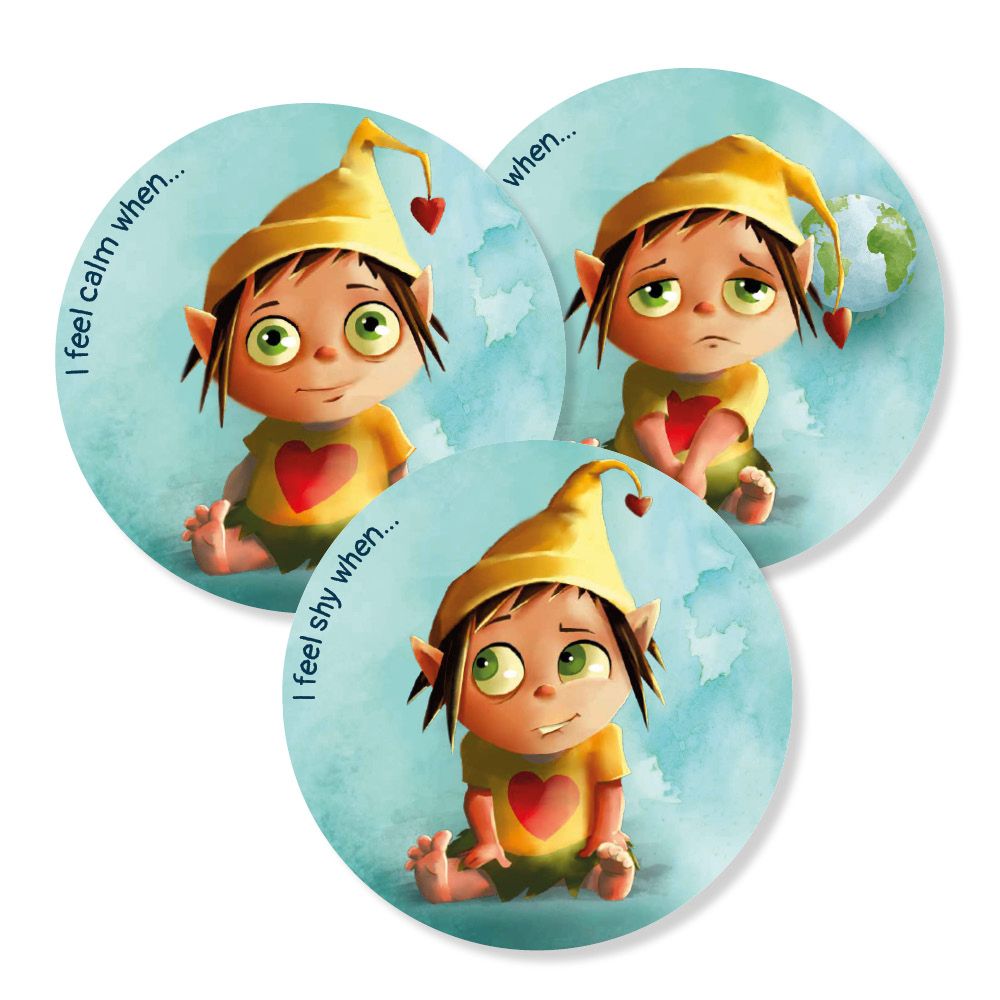
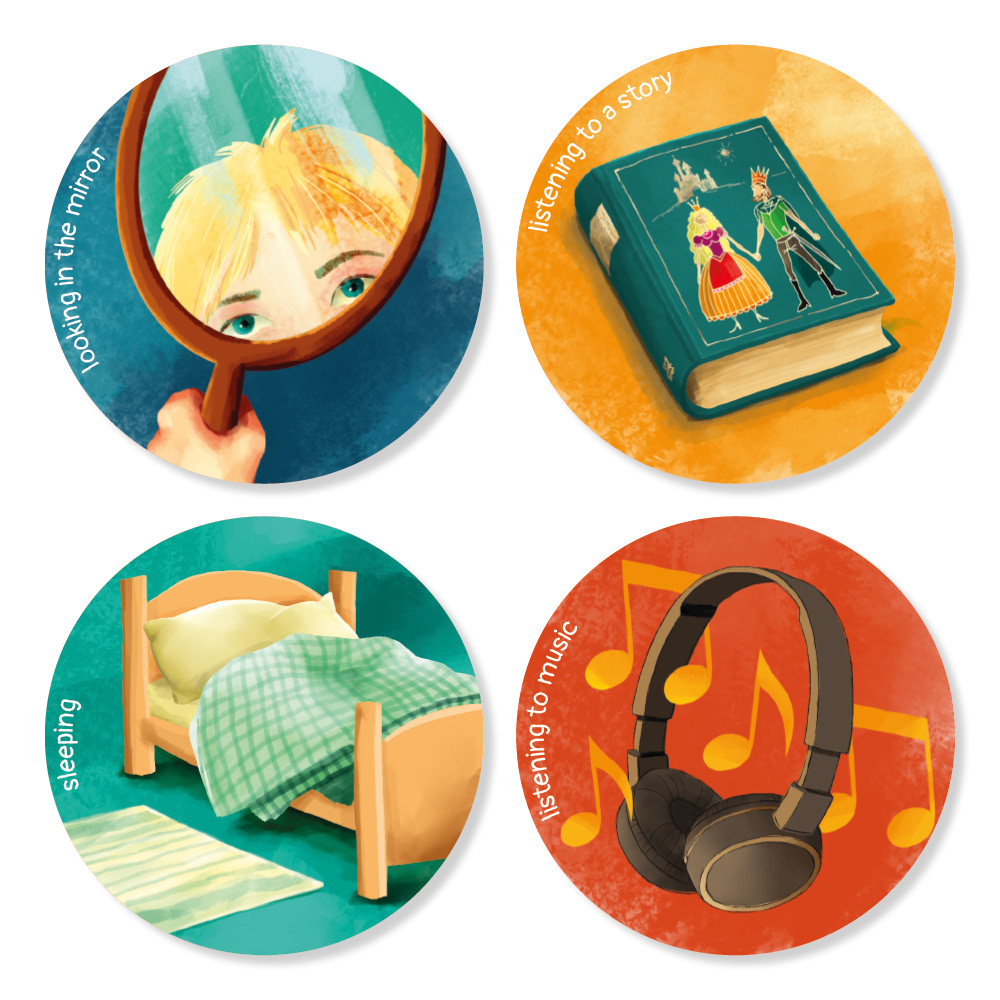
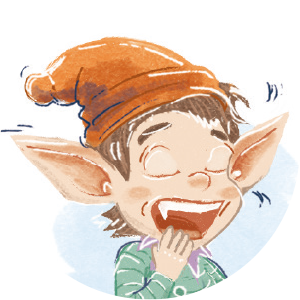
The Heart Elf Emotional Intelligence Card Game is an excellent tool for children to learn how to express and manage their emotions while respecting the feelings of others. Using the card game helps children to calm down in difficult emotional situations, such as sadness or anger, and is a playful way to learn healthy coping strategies. This helps them to cope better in challenging circumstances, develop social relationships and form deeper friendships.
Why should you play with Heart Elf cards?
Our emotions form the foundation of how we feel and how we respond to the world around us. Children’s behavior is largely influenced by their emotions, as the frontal lobe, responsible for rational thinking, is not yet fully developed. This is why children often react impulsively or struggle with regulating their emotions—causing them to have breakdowns, become frustrated, experience tantrums, or sulk. In addition, many of the conflicts between children also arise due to insufficient emotion regulation.
What can we do?
First and foremost, we can help them by teaching them to recognize and name their emotions, and showing them how to manage them. As children grow older, their emotional world becomes more complex, so it’s best to start teaching these skills as early as possible. Research from recent decades and findings from positive psychology clearly demonstrate the importance of emotional intelligence and emotion regulation for our mental and emotional well-being.
This card game helps children learn these skills in a playful way. Playing a game with emotions at its center helps children recognize, identify, express, and regulate their emotions. Through conversation while playing, you can help your child explore their feelings, which not only aids in the development of emotional intelligence, but also strengthens the connection between you.
During the game, children open up in a safe environment and can engage with emotions in a way that is most accessible to them, enabling them to understand their feelings on a deeper level.
Plus, the game can be played in various ways — with family, in kindergarten or school groups, during holidays, or even at home, just the two of you.
Why is developing emotional intelligence important in childhood?
Emotional Intelligence (EI, also known as EQ) involves the ability to recognize, understand, and manage emotions, as well as the skills of empathy, social relationships, and emotional self-regulation. Here are a few reasons why developing children’s emotional intelligence is especially important:
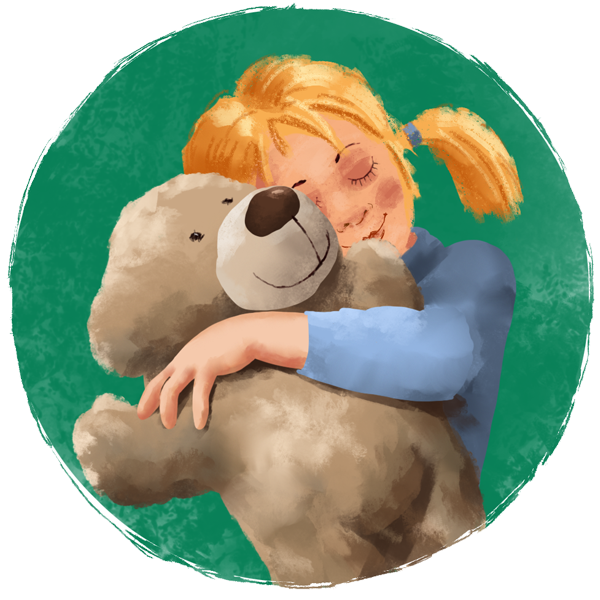


Emotional intelligence not only improves children’s current quality of life, but also has a long-term positive effect on their happiness and success. Parents and educators play a key role in this process, as they provide the support and learning opportunities that help children acquire these vital skills.
With the Heart Elf Cards, learning becomes more engaging and varied, making it exciting and enjoyable for both preschool and school-age children.
Why is the playful method the best for developing emotional intelligence?
Play is a child’s most natural way of learning, which is why playful methods are highly effective for developing emotional intelligence. While traditional learning can sometimes feel dull for children, and many parents find it hard to talk about emotions—often because they haven’t learned how to themselves—a card game like Heart Elf makes it easier for both children and adults to open up.
The game gives children an opportunity to express their emotions freely, whether positive or negative. It helps them understand and manage their feelings. Through playing together, children learn social skills like how to cooperate, share, take turns, and handle conflicts––all of which are important elements of emotional intelligence.
Play-based activities create a safe and supportive space where children can experiment and learn from their mistakes without fear of harsh judgment. During play, children also get the chance to experience others’ emotions, which supports the development of empathy. They learn how others feel, and how to respond appropriately.
While playing, children also learn to control their impulses, follow rules, and think ahead — all of which are essential for emotional self-regulation. Positive feedback during play strengthens their self-confidence and self-esteem, encouraging them to continue developing emotional skills. Creative games and challenges also support the development of problem-solving abilities and creative thinking, both of which are important aspects of emotional intelligence.
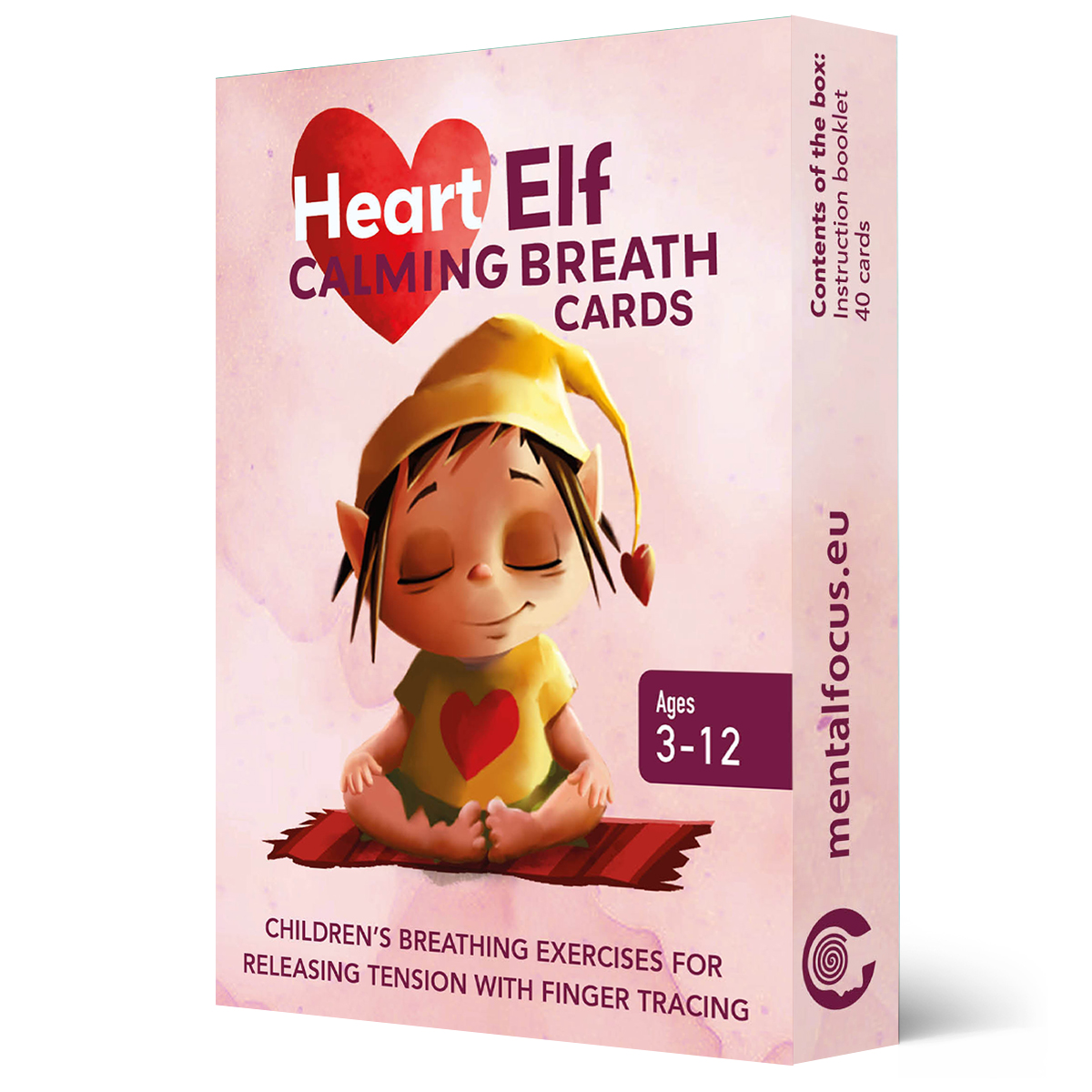
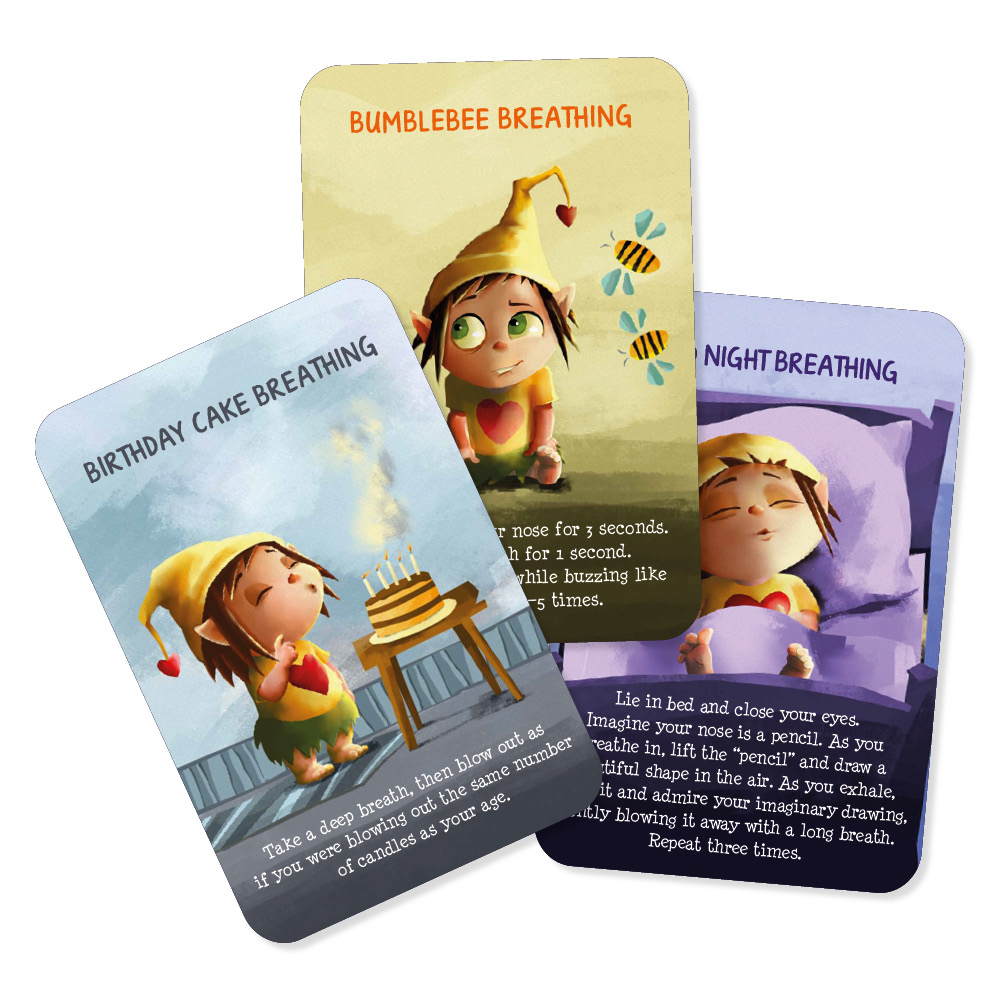
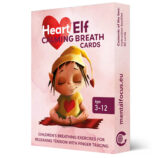
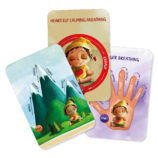
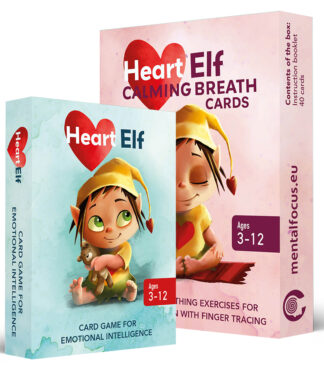
Heart Elf Calming Breath Cards
Children’s breathing exercises for releasing tension with finger tracing
The Heart Elf Calming Breath Cards help us to support the development of emotion regulation skills in our child.
- It is important to start learning emotion regulation and emotion management from preschool onwards.
- Many children enter school with performance anxiety and fear of the unknown, or start adoles- cence with anxiety about social situations.
These mindful breathing exercises for tension release with the aid of finger tracing can be useful both in emotionally stressful situations and as a preventa- tive measure. The pack includes 40 practice options for doing this. Managing emotions properly is key to ensuring they are ready for school, can achieve aca- demic success and can maintain their mental health.
Teach your child how to calm down!
Help your child learn emotional regulation and self-soothing in a playful way with the Heart Elf Calming Breath Cards.
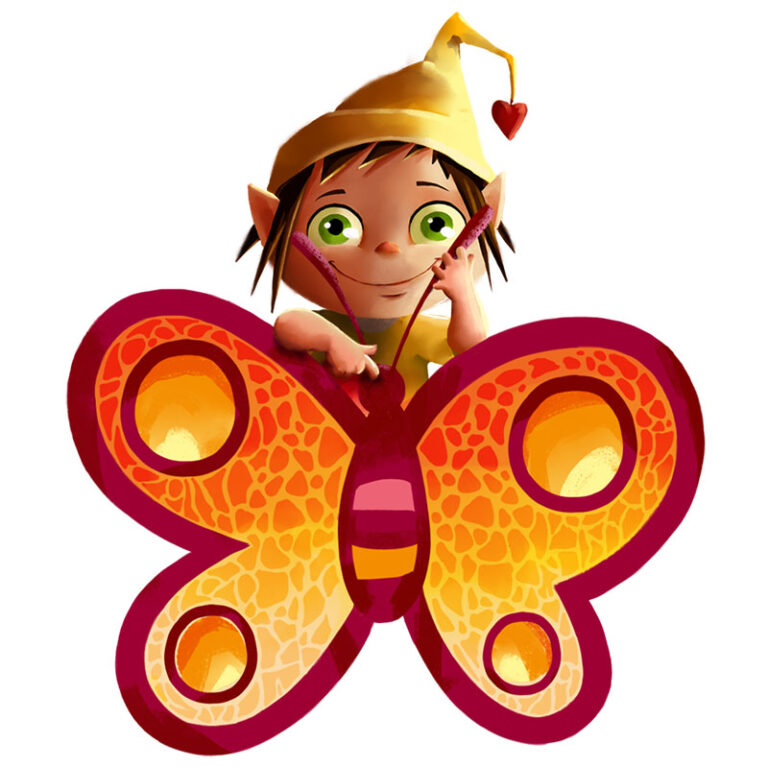
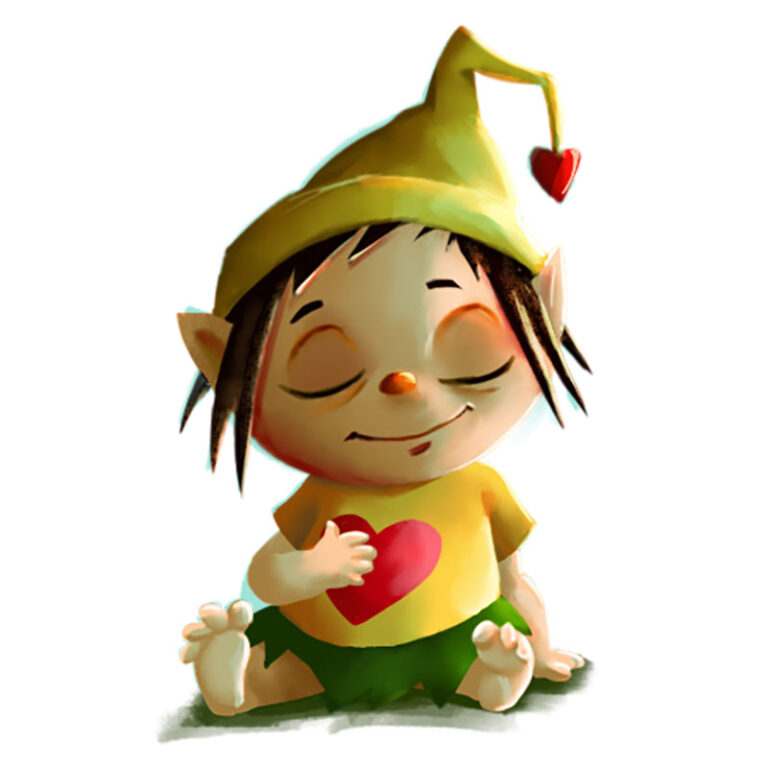
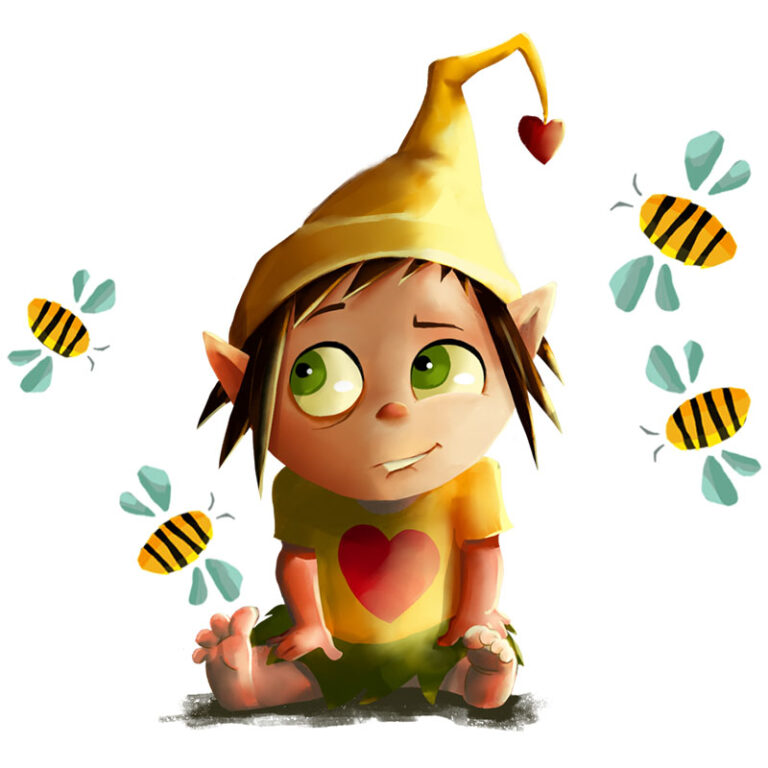
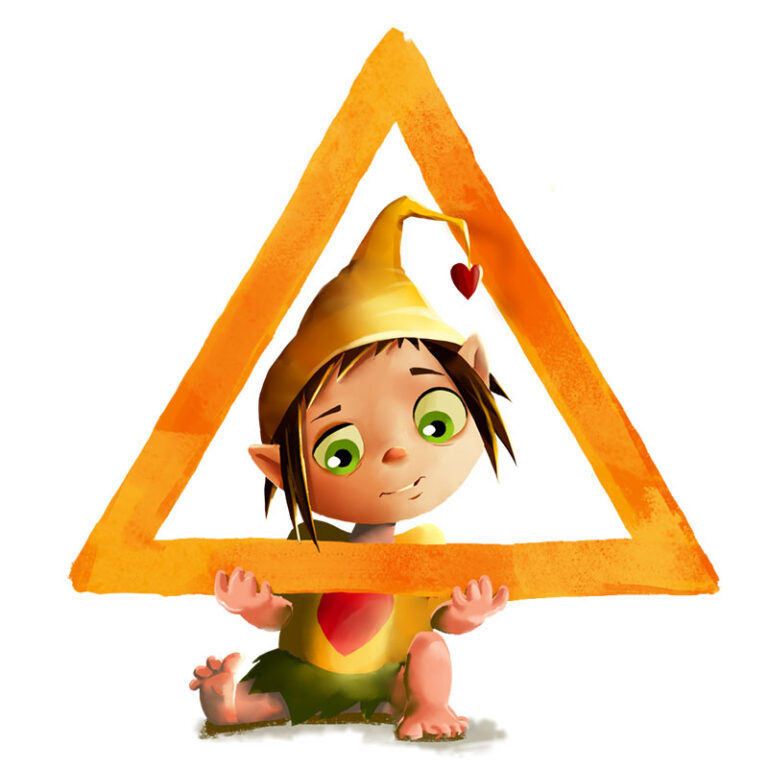
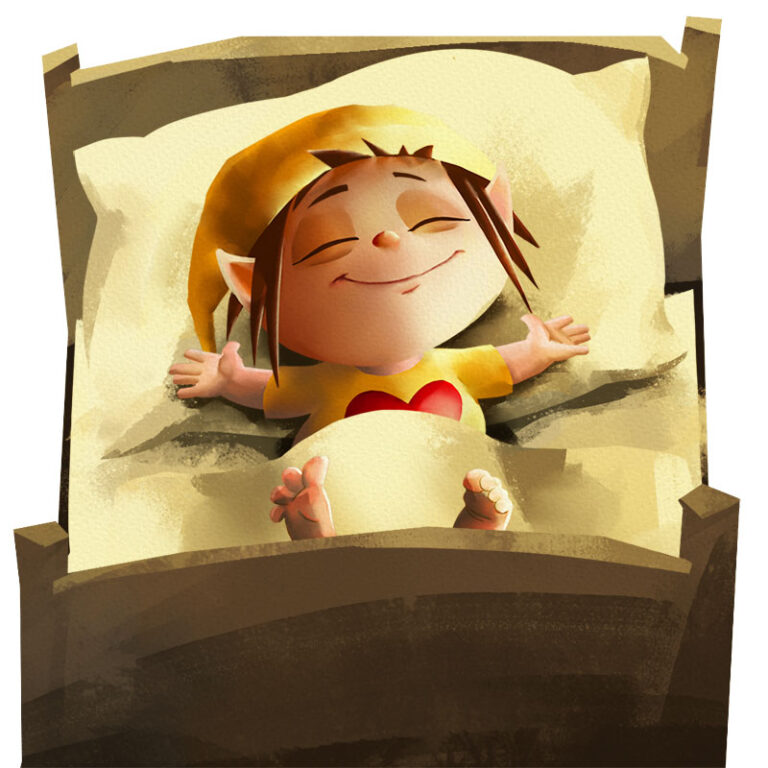
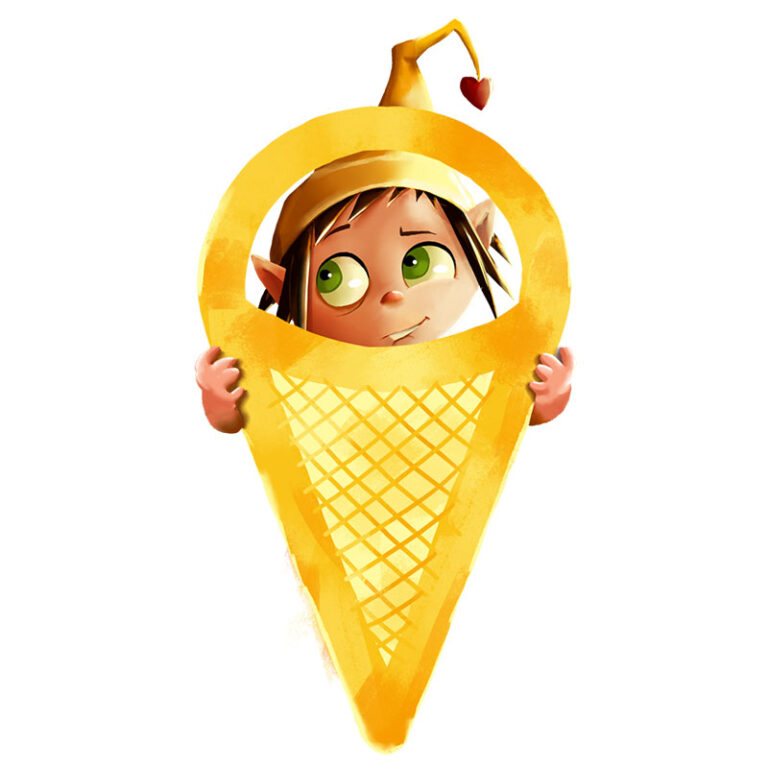
How do the Heart Elf Calming Breath Cards support the development of children’s self-soothing skills?
- The card set includes 40 different exercises to practice with
- Playful techniques: using finger tracing and imagination-based breathing
- 4 ways to play: making learning both fun and focused!
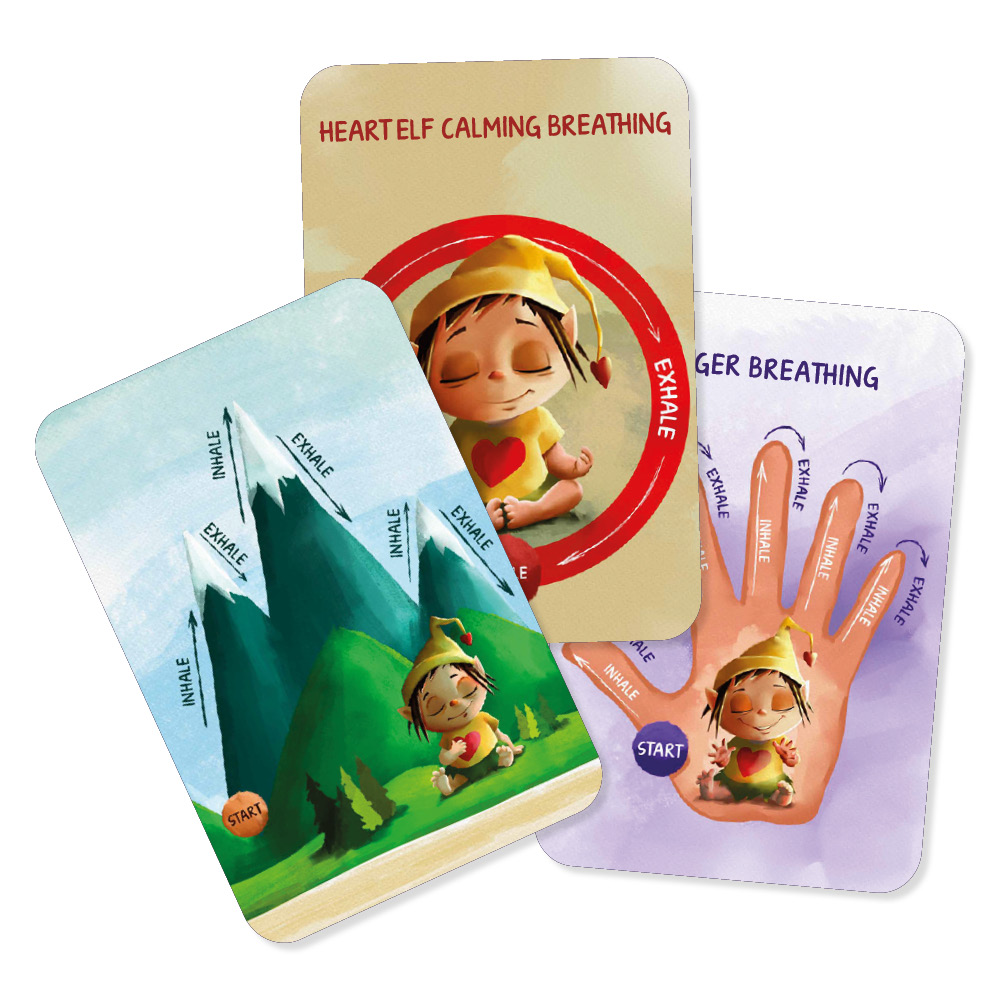
The Heart Elf Calming Breath Card Set includes two types of cards:
Finger-tracing breathing cards provide visual cues (lines and arrows) to help children learn the correct breathing rhythm. By tracing the line on the card with their finger, they follow the phases of inhaling and exhaling, creating a multisensory practice experience.
With these exercises, children trace the lines and arrows on the card with their fingers while breathing in sync with the guided rhythm.
This method helps children to:
- Focus their attention: By concentrating on their breathing and finger movements, they can more easily block out distracting thoughts.
- Calm down: Slow, deep breathing relaxes both the body and the mind.
- Improve coordination: Synchronizing finger movement with breathing enhances fine motor skills.
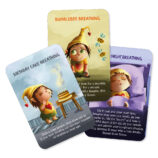
The Creative Breathing Cards feature imaginative breathing exercises designed to boost their imagination.
These playful breathing techniques offer a variety of tools that children can use in different situations.
These exercises help develop:
- Imagination: Children picture themselves turning into a pinwheel, a superhero, or blowing out the candles on their birthday cake.
- Body awareness: As they practice, children learn to observe their breathing and notice the sensations and changes in their bodies.
- Creativity: Inspired by the cards, children can even invent their own breathing exercises.
Daily playful practice not only helps children manage their attention, emotions, and stress, but also supports parents in learning how to calm themselves using the cards.
You can use the cards in a variety of ways, depending on what goal you want to achieve, or simply based on what interests your child most at the moment.
- Exploratory play: At first, let your child freely explore the cards, looking at the illustrations, naming the characters and elements. Then, choose one card together and follow the instructions to try the breathing exercise.
- Structured practice: Use the cards as a transition between two activities or as part of your daily routine. Ask your child to draw a card and do the breathing exercise together.
- Targeted use: If your child is experiencing a strong emotional state (e.g. restlessness or anxiety), you can intentionally choose a card that helps them calm down and relax.
- Highlighting favorite exercises: If your child has a favorite card (or exercise), feel free to return to it as often as they like, even multiple times a day. This not only builds familiarity but also reinforces the positive experience.
The best approach is to make the game part of your daily routine and use the cards for a little playtime each day. This way, conscious breathing will more easily become a natural part of your child’s everyday life and personal toolkit, while also helping them process daily stress
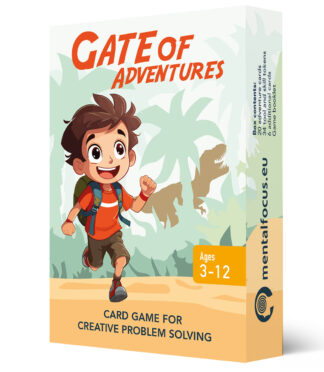
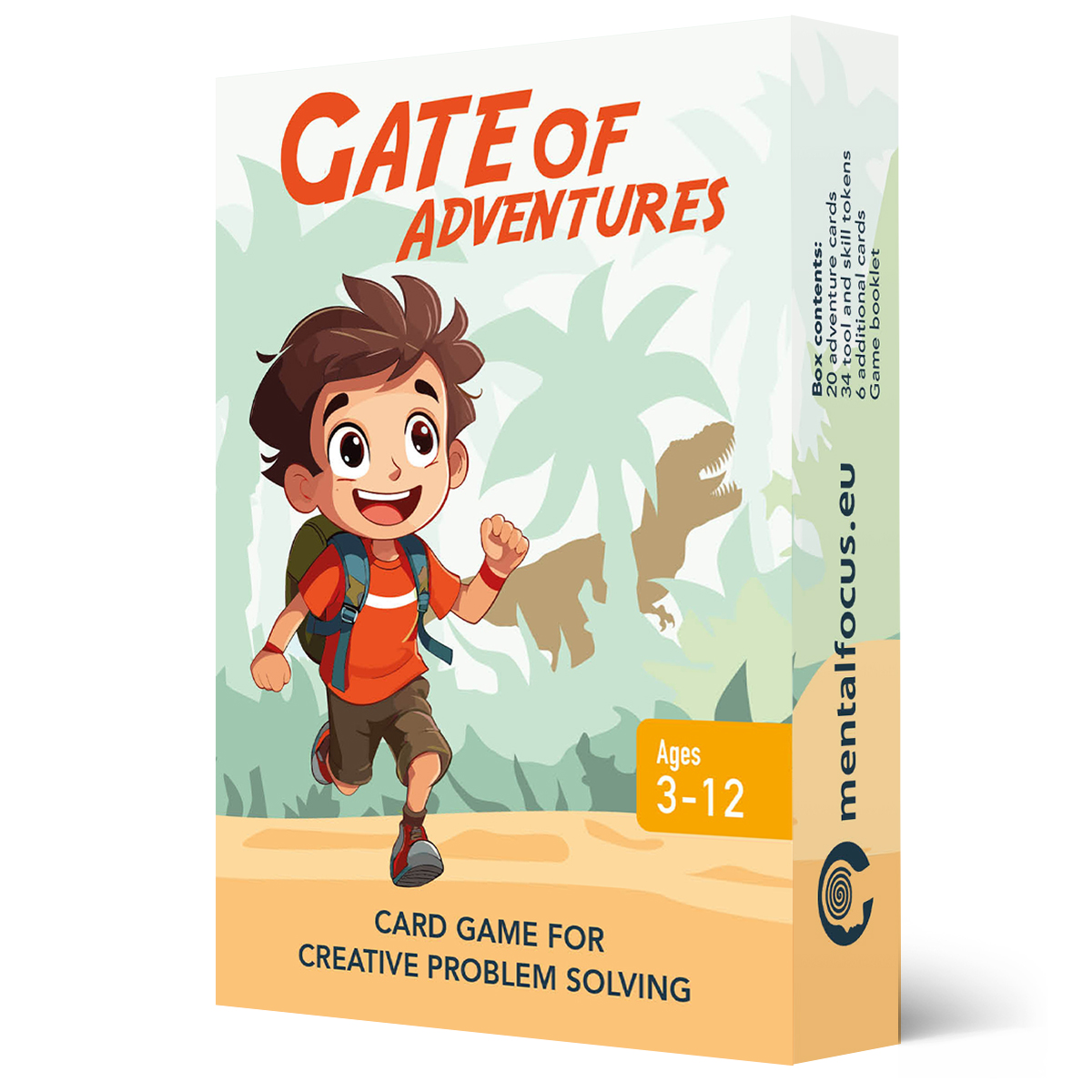
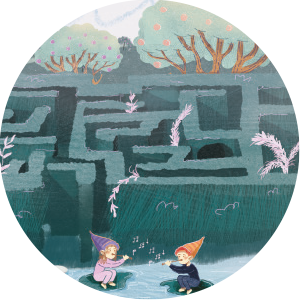
Gate of Adventures – A card game for developing creative problem-solving skills
The Gate of Adventures card game takes your child on exciting and imaginative journeys that build resilience, boost confidence, and strengthen problem-solving abilities, creative thinking, and coping skills, all through the power of play.
How can you help your child become more creative, resourceful, and resilient?
As a parent, you want your child to succeed in life, and to face life’s everyday challenges with confidence and ease. But sometimes they hesitate, or they might be shy, unsure of themselves, or intimidated by bigger tasks, not knowing what to do about them. They may even hold back from things you know they’re capable of doing. So you start to worry about how they will cope later in life.
- How can you help them strengthen their problem-solving skills?
- How can you spark their courage and motivation?
- What can you do to help them feel excited about trying new things?
- How can you support them in finding creative solutions when things get tough?
In fact, the best way to help your child is through something they already love: play. Play isn’t just entertainment; it’s one of the most powerful ways children learn. While playing, they get to test their limits and skills, explore new situations, and act more freely, without the inhibitions that might otherwise hold them back in everyday life.
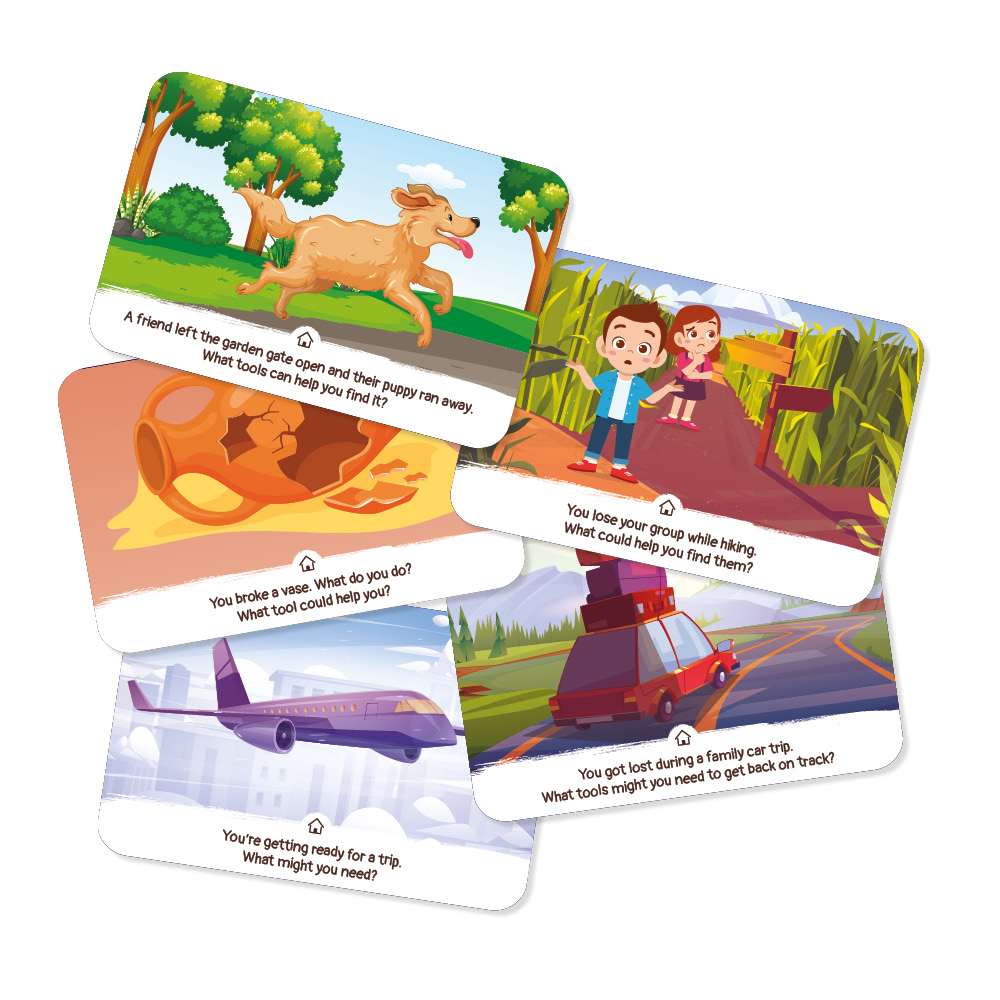
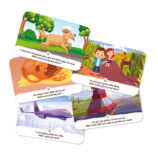
This is exactly where the Gate of Adventures card game can support you. The cards invite the children into magical adventures where they’ll need to find solutions to fantastical situations. Along the way, they’ll also encounter everyday challenges that call for just as much clever thinking and creativity.
The goal of the game is to strengthen children’s problem-solving abilities and nurture their creative thinking. Through magical quests and real-life challenges, they learn how to solve problems creatively and build effective coping strategies, all while having fun.
Why is it important to develop children’s problem-solving skills?
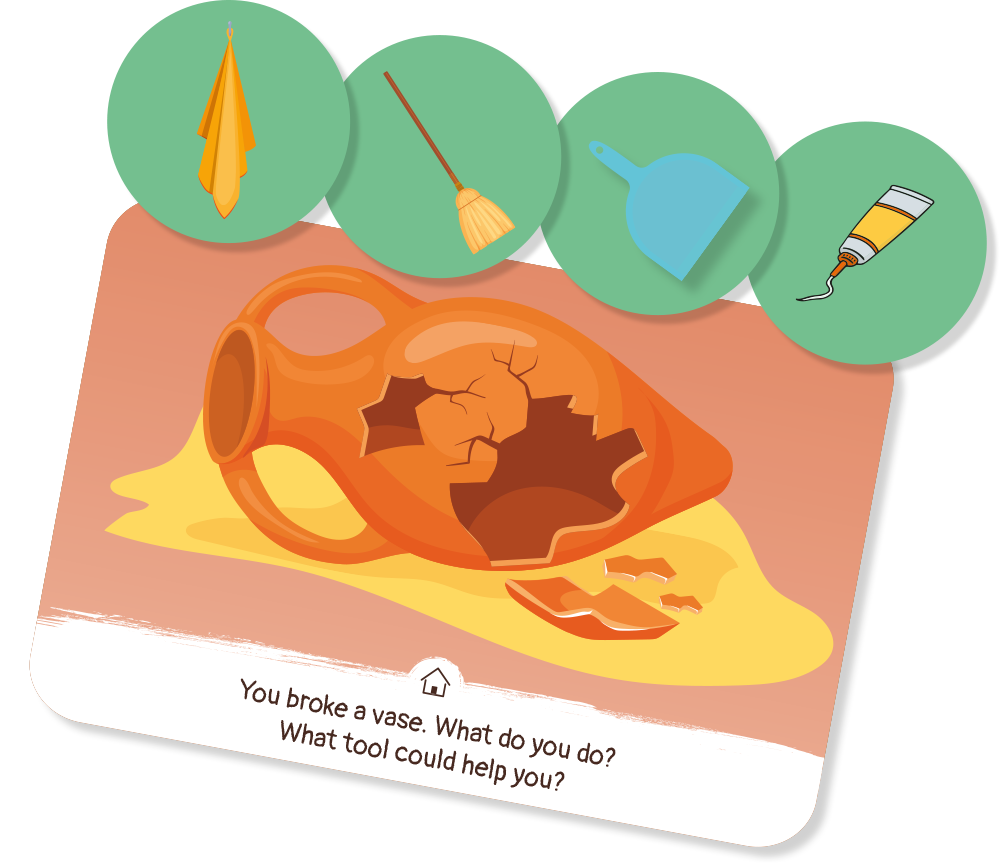
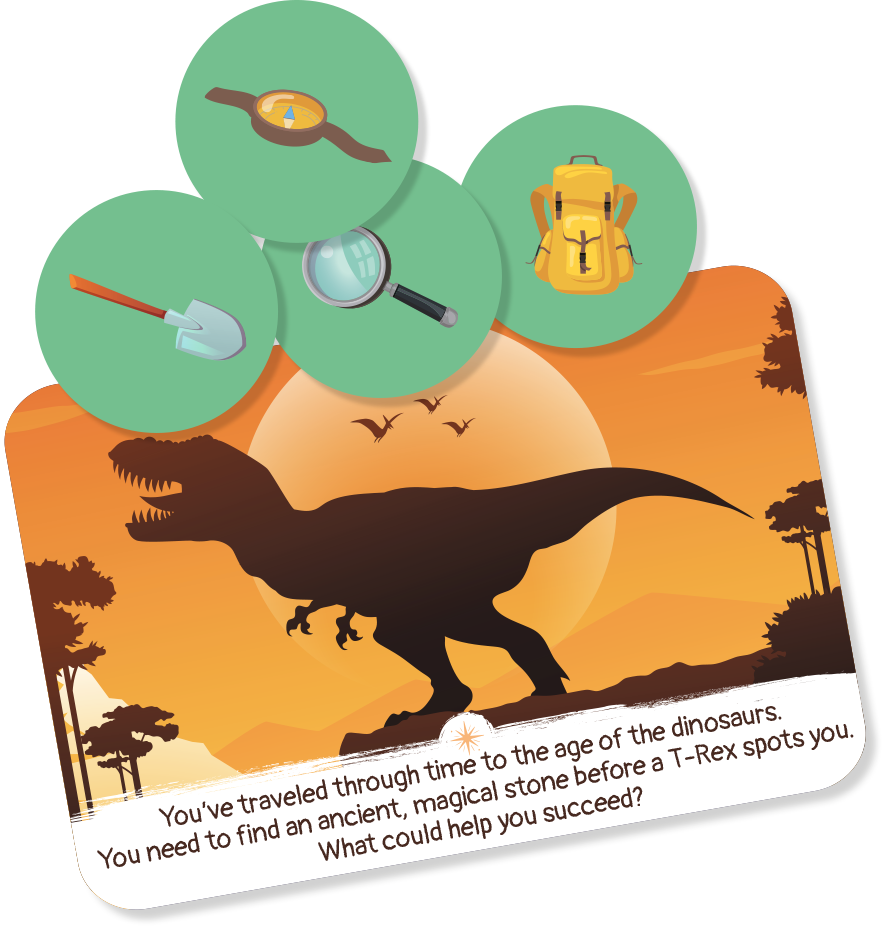
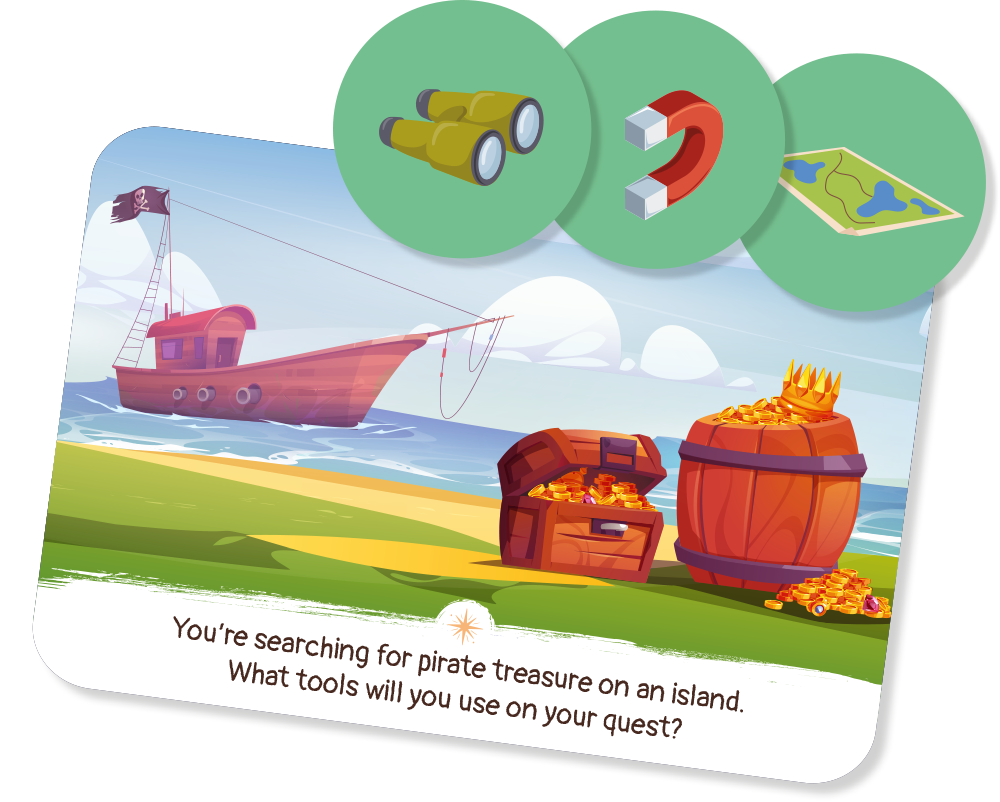
How to play the Gate of Adventures game
The game can be played in two different modes:
In the cooperative game mode, players don’t compete against each other—instead, they work together to go on as many adventures and solve as many challenges as they can. They either win together or lose together. This shared gameplay experience encourages teamwork and cooperation, while offering fun and exciting adventures for even the youngest explorers.
The competitive game mode gives more experienced adventurers a chance to challenge each other. In this version, the winner is the first player to complete all their missions. While competition is part of the gameplay, the focus remains on fun and the joy of playing, so everyone can enjoy the challenges and the adventure.
What ages is the game suitable for?
The game is recommended for children aged 3 to 12, making it a great activity for both younger and older children to enjoy together.
How many players can play the game?
The game can be played by 1 to 6 players at a time, so whether your child wants to play alone or you’re looking for an activity for the whole family or a classroom group, it’s a perfect fit.
How long does the game last?
Each session lasts around 15–20 minutes, making it ideal for busy weekday evenings or for a relaxing break during a trip or outing.
| Captain Moment – Emotion regulation and attention control program | Written by: Bella Bagdi Original Editon: Pillanatkapitány – Érzelemszabályozás és figyelemkontroll program, Budapest, Hungary, 2024 |
|---|---|
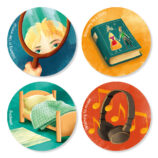
| Heart Elf Card Game | 28 Emotion Cards |
| Heart Elf Calming Breath Cards | 20 finger-tracing breathing cards |
| Gate of Adventures Card Game | 20 Adventure Cards, with a magical quest on one side and an everyday challenge on the other |
Reviews
0 out of 5 stars
Add a review
You may also like…
-
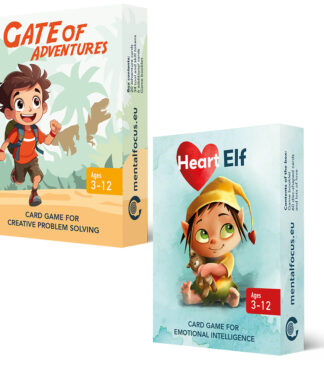
Heart Elf Card Game
19.99 €
Mrs. Dombi István Bocskai Primary School of Derecske –
Mrs. Dombi István Bocskai Primary School of Derecske
As someone with decades of experience as a teacher, I’ve been trying to figure out why children today often struggle to express themselves. There are several reasons for this, but one of the most significant is what I call “silence at home.” Sadly, this is a major barrier to developing expressive skills. Parents who are overwhelmed with work want peace and quiet in the evenings. The children come home tired, too, but they would like to talk, to share the big events and small troubles of their day, but their mom and dad hush them. Not out of disinterest, but because they themselves are burdened with problems.
Language is our most important tool for thinking and connecting with others. Without it, community life becomes impossible. In the classroom, the teacher—regardless of the subject they teach—is a key figure. Their personality has a unique influence that cannot be replaced by anything else. Their role is to nurture in children the ability to express their thoughts and feelings, both in speech and writing.
One solution is to talk with children more—and The Gate of Adventures card game is a fantastic playful tool to do just that. It helps build creative problem-solving and coping skills through magical adventures. The everyday scenarios in the game encourage a kind of bravery in life that supports the development of effective coping strategies. Even the “silent ones” at home start speaking up, bursting with clever ideas.
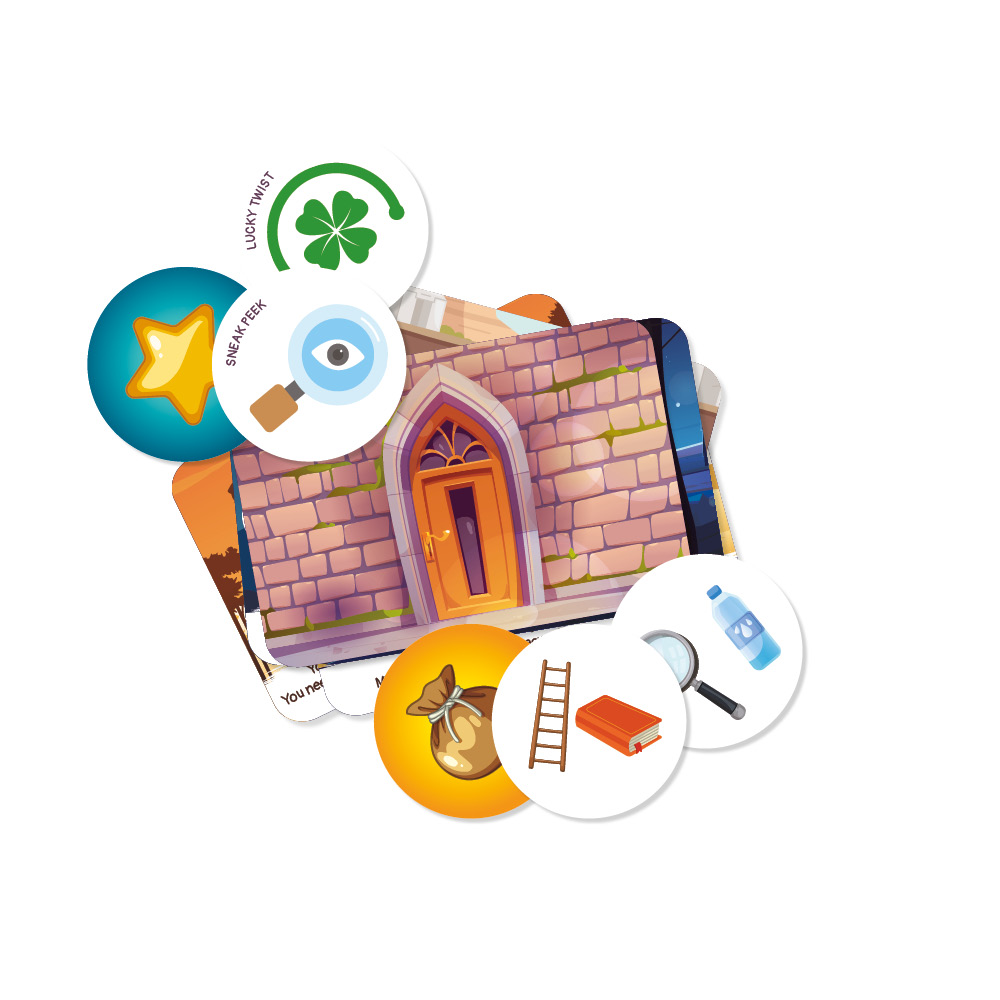
It was truly heartwarming to see and hear how they found solutions to even the trickiest situations using the item tokens. They loved the skill tokens, and as a team, they filled their success albums together. The game got even more exciting when we flipped the item tokens face-down and asked them to recall and turn over one from memory. The hilarious ideas they came up with had us all laughing.
Mrs. Dombi
István Bocskai Primary School of Derecske
Csilla Berencsi-Eke Péter Vermesy Primary School and Elementary School for the Arts, Maglód –
Csilla Berencsi-Eke Péter Vermesy Primary School and Elementary School for the Arts, Maglód
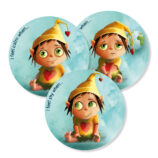
This game really helps children get to know their feelings. They often find it hard to identify their emotions, but Heart Elf’s charming little face makes them more accessible. During the game, several children recognized themselves in the cards, and even the quieter ones were able to connect with their own emotions.
“It’s just really fun to play with.”
“This was the best class ever!”
Csilla Berencsi-Eke
Péter Vermesy Primary School and Elementary School for the Arts, Maglód
Angelika Fenyves Sípos Street Kindergarten, Debrecen –
Angelika Fenyves Sípos Street Kindergarten, Debrecen
The Heart Elf card game sparked a lot of interest among the children. They really loved the artwork and the little illustrations. During group play, they were highly engaged—we sorted emotions into positive and negative, and practiced expressing them through facial expressions and body language. When it came time to talk, the children were eager to share their own feelings—surprisingly, they were most open about the negative ones.
This was yet another confirmation of just how timely and important emotional intelligence development is.
I wholeheartedly recommend the Heart Elf card game to both teachers and parents. It offers a wonderful opportunity to support children’s personal development—especially when it comes to building emotional intelligence. It’s an incredibly effective tool for helping children identify, differentiate, and express their emotions in a playful, effortless way.
Angelika Fenyves
Sípos Street Kindergarten, Debrecen
Henriett Széll Preschool teacher, special education teacher, “Happiness Lesson” instructor –
Henriett Széll Preschool teacher, special education teacher, “Happiness Lesson” instructor
The illustrations are lovely, expressive, and perfectly suited to the children’s age group—and even as an adult, I found the different Heart Elf faces moving. This game is a wonderful way to help children get to know themselves and each other in a playful, engaging way through questions and actions, all the while building their social skills.
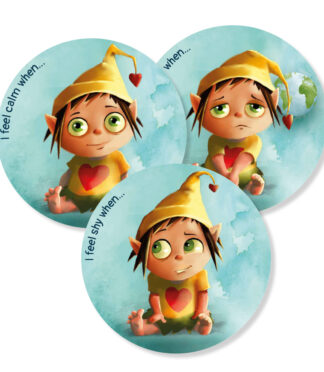
With younger children, we mostly used the basic emotions—they were able to recognize them and tell from the cards what had happened to the elf, and whether they were feeling gloomy or cheerful. The images immediately sparked their curiosity, and they examined and mimicked the elf’s realistic facial expressions with great interest.
With older children, we could explore the full range of the game, both in terms of the emotion and the action cards. They were able to name and select cards, talk about what they saw, and follow the game rules with ease. Their shining eyes and smiling faces showed just how much they enjoyed playing with the Heart Elf and how much more freely and bravely they could express their emotions.
As both a teacher and a parent, I can confidently recommend the Heart Elf card game starting from early kindergarten age—that is, from around age 3-4. It offers a gentle and effective way to introduce young children to the world of emotions, helping them grow into confident, emotionally expressive, and emotionally regulated school-ready individuals by the end of pre-school.
When used at home, the cards create beautiful opportunities for meaningful, quality time as a family. At the same time, they gently encourage little ones to open up about their feelings and learn how to respond to them—especially when they see that mom, dad, and their siblings are doing the same.
I especially recommend the game for use in kindergartens. It fits seamlessly into a teacher’s toolkit and is an outstanding resource for emotional development. The variety of games it offers makes it easy to adapt activities to the age and individual needs of any group. It encourages children to start putting emotions into words as early as possible.
The Heart Elf card game helps develop young children’s social skills and emotional intelligence — all while they’re having fun. And it’s not just enjoyable for them: adults, too, can find themselves drawn into the experience, learning to express emotions freely and playfully alongside the children.
Henriett Széll
Preschool teacher, special education teacher, “Happiness Lesson” instructor
Mrs. Sarolta Németh Simon Rainbow Kindergarten, School for Special Needs and Developmental Education, Primary School, Vocational School, Skills Development School, and Unified Institute of Special Education –
Mrs. Sarolta Németh Simon Rainbow Kindergarten, School for Special Needs and Developmental Education, Primary School, Vocational School, Skills Development School, and Unified Institute of Special Education
I tried the Heart Elf Calming Breath Cards with my current class, which includes first graders with a variety of special needs: children with learning difficulties, high-functioning autism, ADHD, intellectual disabilities, and multiple impairments.
The cards have almost seamlessly become part of our everyday life. For autistic children, the key to effective support is creating a structured, predictable, and supportive environment, and I must say, this predictability benefits the whole class by making school life feel safe and secure. Each day begins with a little “walk” around the classroom, one stop of which is a “scented forest” in the corner, beside a painted woodland scene on the wall. The forest’s animals and plants always reflect the current season. Before we start any attention or movement-based activities, we begin here with a couple of breathing exercises.
When I first introduced the cards and the children were just getting to know them, I already knew they’d become a favorite. They were instantly drawn to Heart Elf’s kind, expressive face and the colorful illustrations. Even though they can’t read yet, the cards’ illustrations offer helpful clues and the messages are easy for them to interpret.
They’ve grown so fond of Heart Elf that the day simply can’t begin without the cards. We’ve already invented several games to go along with them, like “Watch the breathing and find the matching card!” or “Pick your favorite and show it to the others!” We also have reflection time: “Did you use any of the cards today?” And the answers we get are very interesting. One child told us: “Yes, when P. punched me and I wanted to hit back, my head got hot. So I called on the Angry Heart Elf, blew out the flame, and after that, I didn’t want to hit him anymore.” Another one said, “The rainbow one is my favorite, because it’s so colorful!”
Mrs. Sarolta Németh Simon
Rainbow Kindergarten, School for Special Needs and Developmental Education,
Primary School, Vocational School, Skills Development School, and Unified Institute of Special Education
Agnes Torda Orosháza Municipal Daycare and Preschool, Móricz Zsigmond Street –
Agnes Torda Orosháza Municipal Daycare and Preschool, Móricz Zsigmond Street
For our age group, the creative cards work best. The whistling breath has become a favorite. Whenever I see the children getting overly restless during the day, that’s the breathing exercise I turn to. It helps them calm down and refocus. Of course, we’ve looked through the other creative cards too and practiced those as well.
Agnes Torda
Orosháza Municipal Daycare and Preschool, Móricz Zsigmond Street
Kitti –
Kitti
An absolutely super book! My little boy and I read it in no particular order, just wherever we feel like. He loves the interactive tasks in it and is happy to do them. He’s only 5 years old now, so he’ll be able to use this book for a long time. 🙂
I totally recommend it to all parents for use at home. 🙂 Even I learn a lot from it.
Kitti
Irén Gonda, teacher –
Irén Gonda, teacher
We’ve made tremendous progress with the children over the ten weeks of the program. They understood the mission of the characters and the valuable lessons along the way. It only takes one word or sentence from the story, and they immediately know what to do.
For me, it’s been a huge success! I am happy and feel good knowing that I was able to convey the content of the book and the program envisioned by the creator. It is very important and absolutely necessary for children that we address the development of their emotional intelligence and attention control, also in the school setting!
Irén Gonda, teacher
Erika, teacher –
Erika, teacher
A fantastic book, the story is captivating, and its language is understandable and accessible for both younger and older children. I really like that the psychological background is also included, and the flow of the sessions is clear and easy to follow, even for non-educators. The tasks and exercises are diverse, useful, and provide great help to both children and adults. I read it with my four-and-a-half-year-old son, and we work through it at his level. He loves the story, the characters, and is even starting to experiment with the meditations. In the evenings at bedtime he often asks for the ‘Flashlight Exercise,’ which helps him relax and drift off to sleep quickly. We often call on Captain Moment after a challenging situation to give advice on how to better manage his emotions. He has become my son’s imaginary friend.
I recommend it to both parents and educators. The story is easily understandable even for younger children, but it also engages the older ones. It provides tremendous help to parents in the emotional development of their children. As a teacher, I can’t wait to start the program at school. It will complement the Happiness Lessons wonderfully.
Erika, teacher
Ágnes Torda Orosháza Municipality Daycare and Preschool, Móricz Zsigmond Street –
Ágnes Torda Orosháza Municipality Daycare and Preschool, Móricz Zsigmond Street
The stories of Captain Moment won my heart from the beginning. I’ve now shared every story with my preschoolers. Since I really wanted to get to know the stories, I decided to tell them in an unconventional way – right before nap time. Since we always tell a story at this time, I found it the perfect moment, as everyone had calmed down by then and listened attentively to the stories. They even eagerly and enthusiastically answered the questions during and after the stories. Of course, we won’t stop there. I plan to explore this program much more deeply with my group starting with the next school year. For me, these stories and the playful activities associated with them are perfectly tailored to the preschool age group. Each story is so interesting, with so much to learn from them. It’s also great that many exercises are suggested for processing the topics, so there’s plenty of options to choose from. Out of all the books I’ve used, this one has been the best. I can wholeheartedly recommend it to everyone.
Ágnes Torda
Orosháza Municipality Daycare and Preschool, Móricz Zsigmond Street