


Heart Elf Cards & Captain Moment Bundle
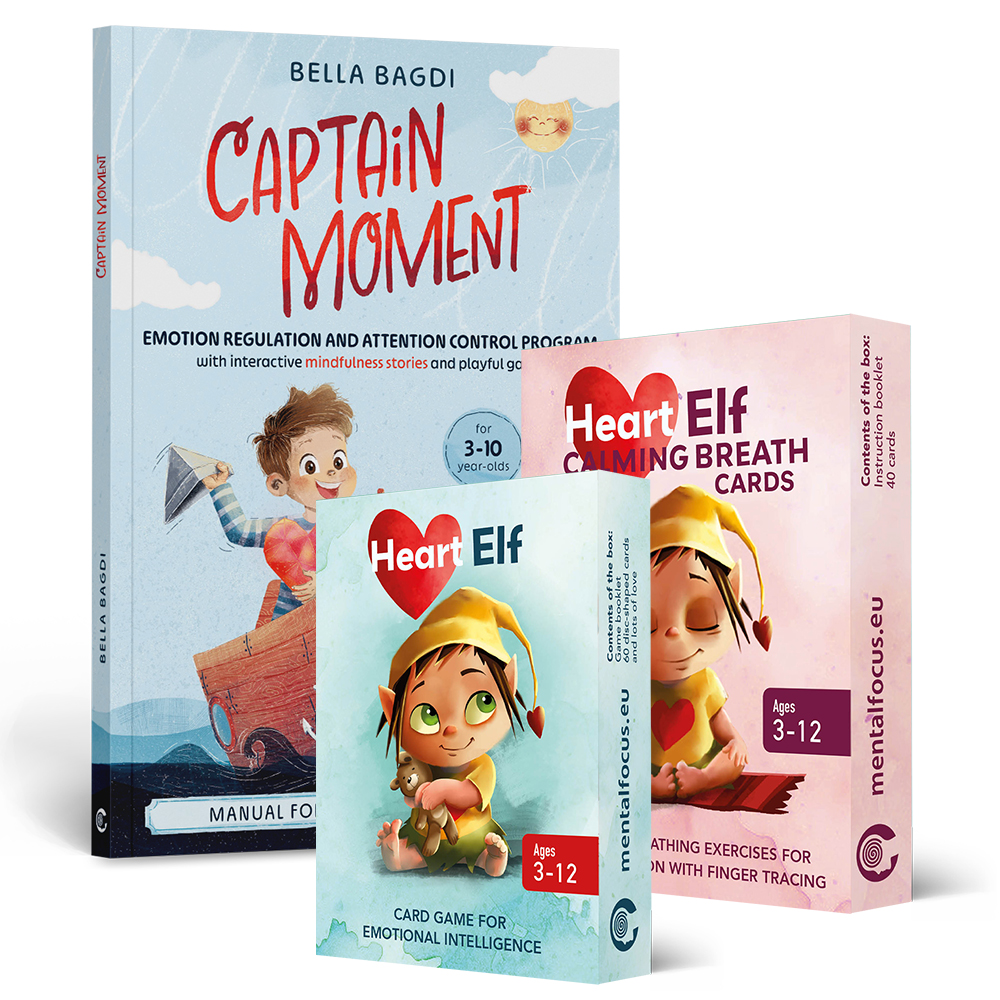
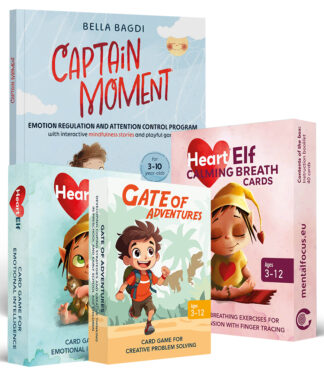
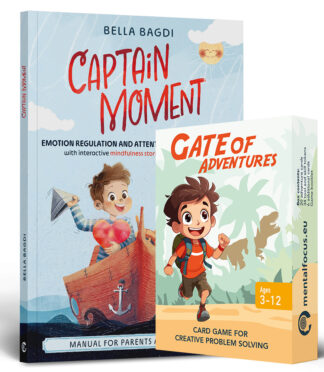
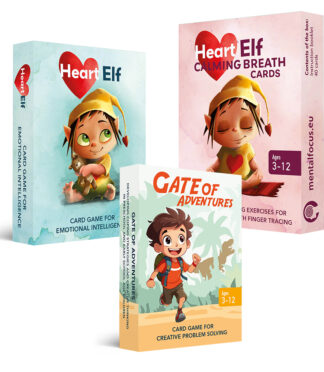
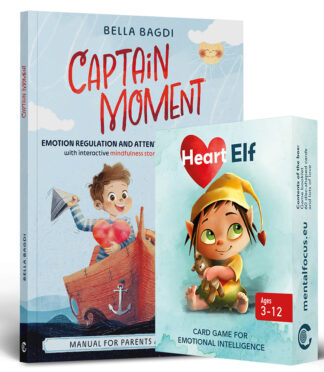
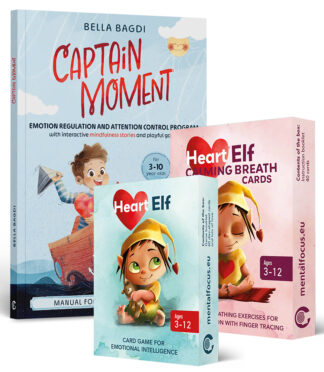
Heart Elf Card Game, Heart Elf Calming Breath Cards and Captain Moment – Emotion Regulation and Attention Control Program — all in one bundle.
- Estimated Delivery: Up to 4 business days
- Free Shipping: On all orders over €65
Package contents:
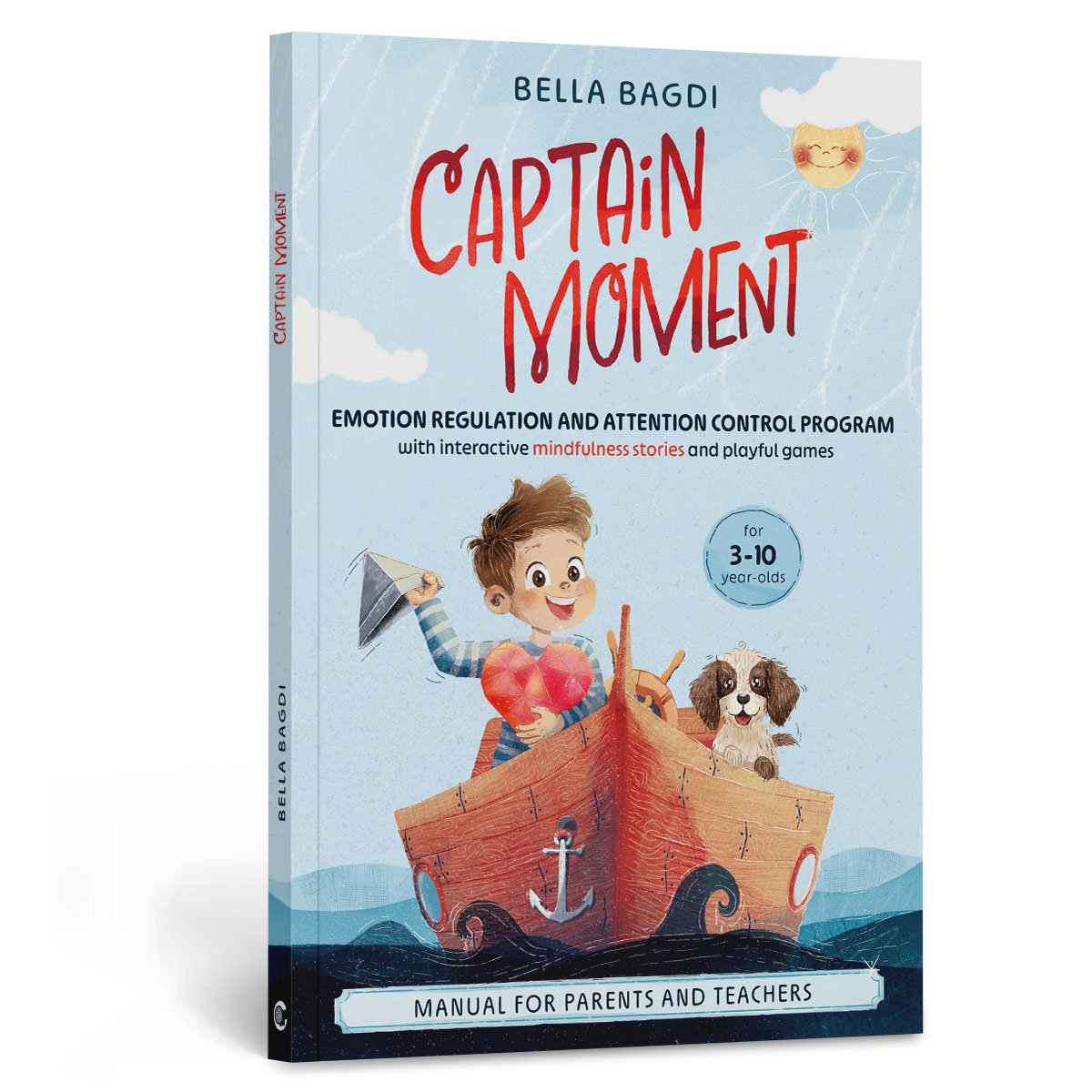
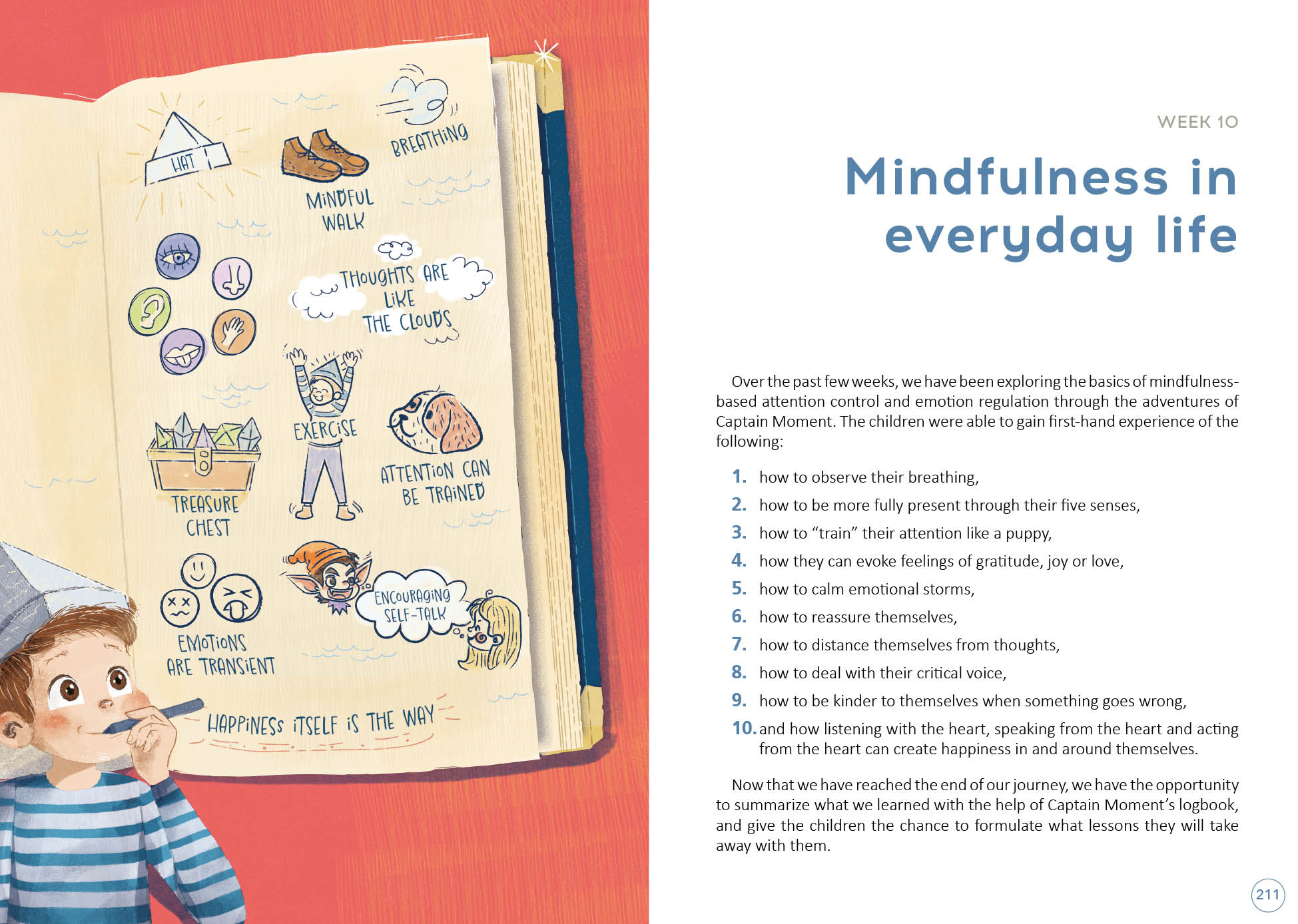
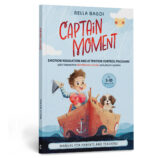
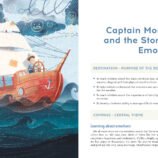
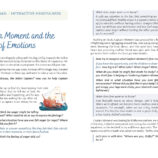
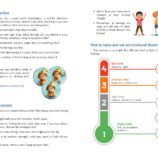
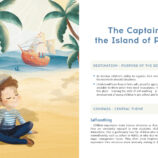
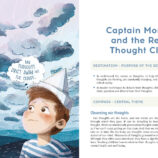
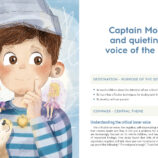
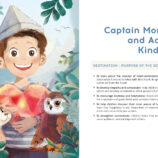
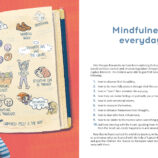
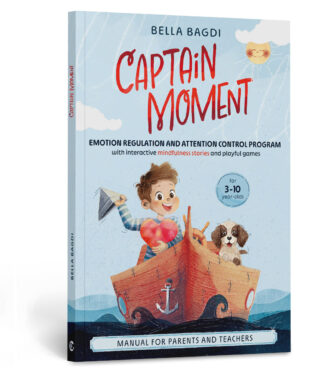
Captain Moment – Emotion Regulation and Attention Control Program
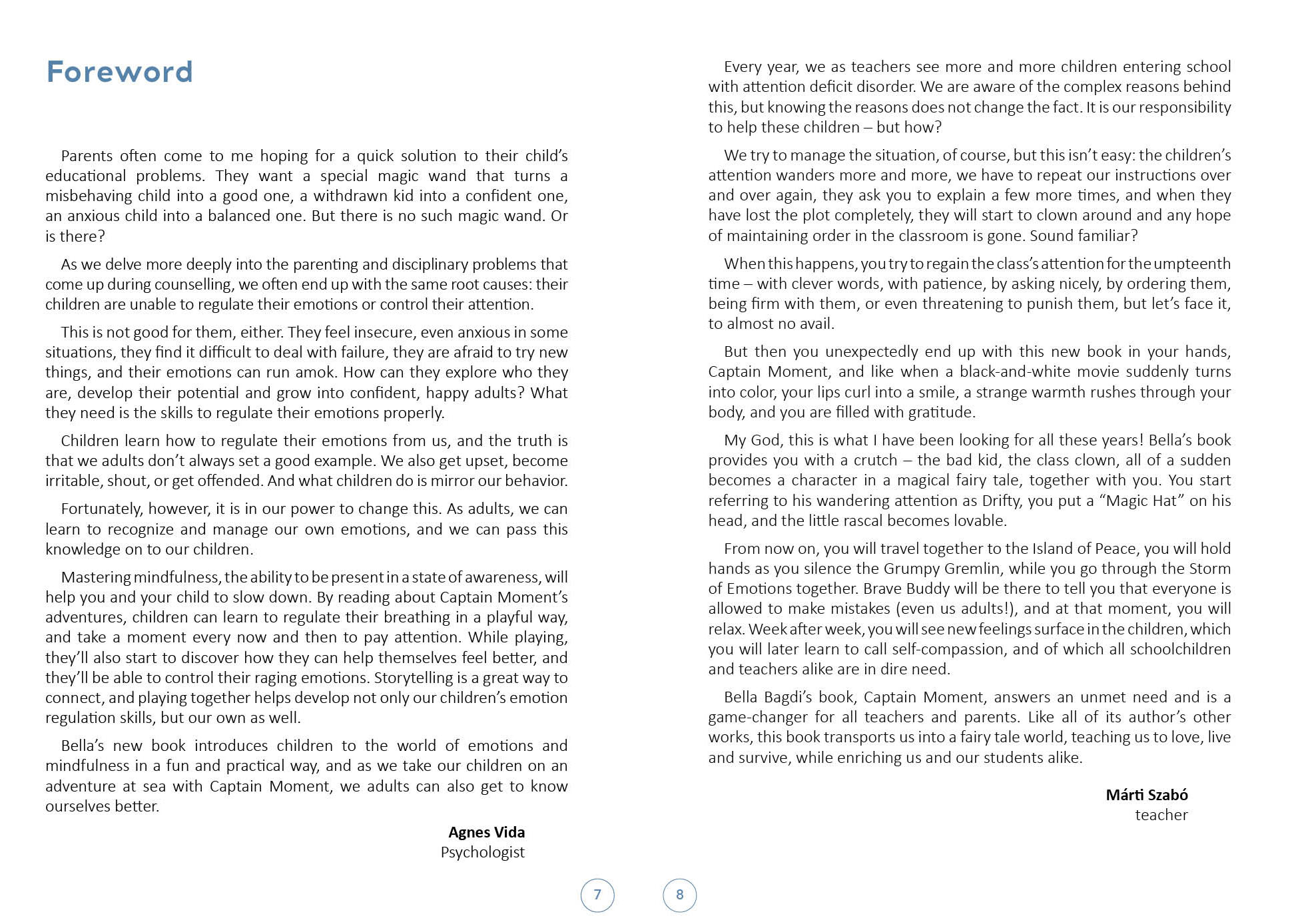
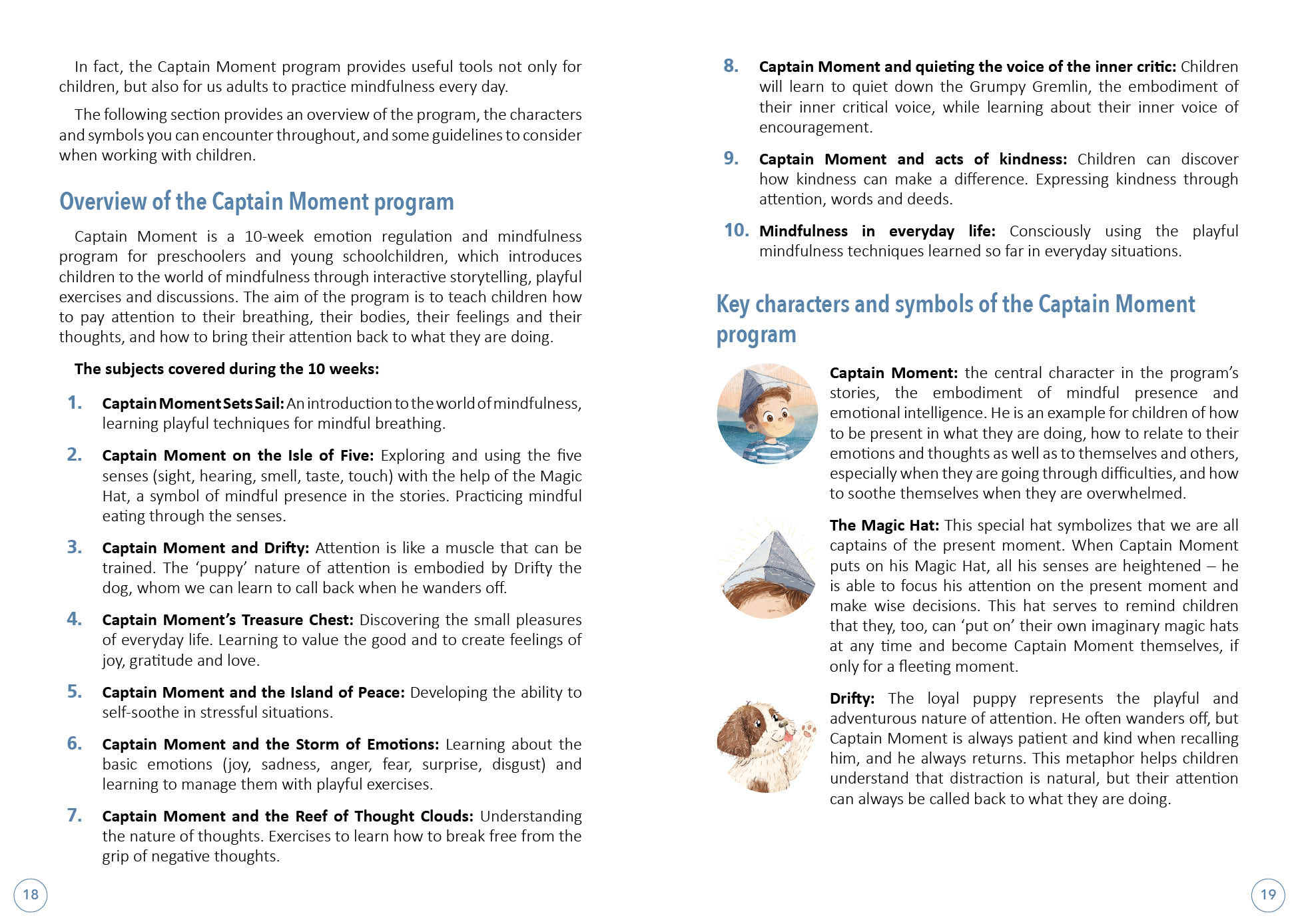
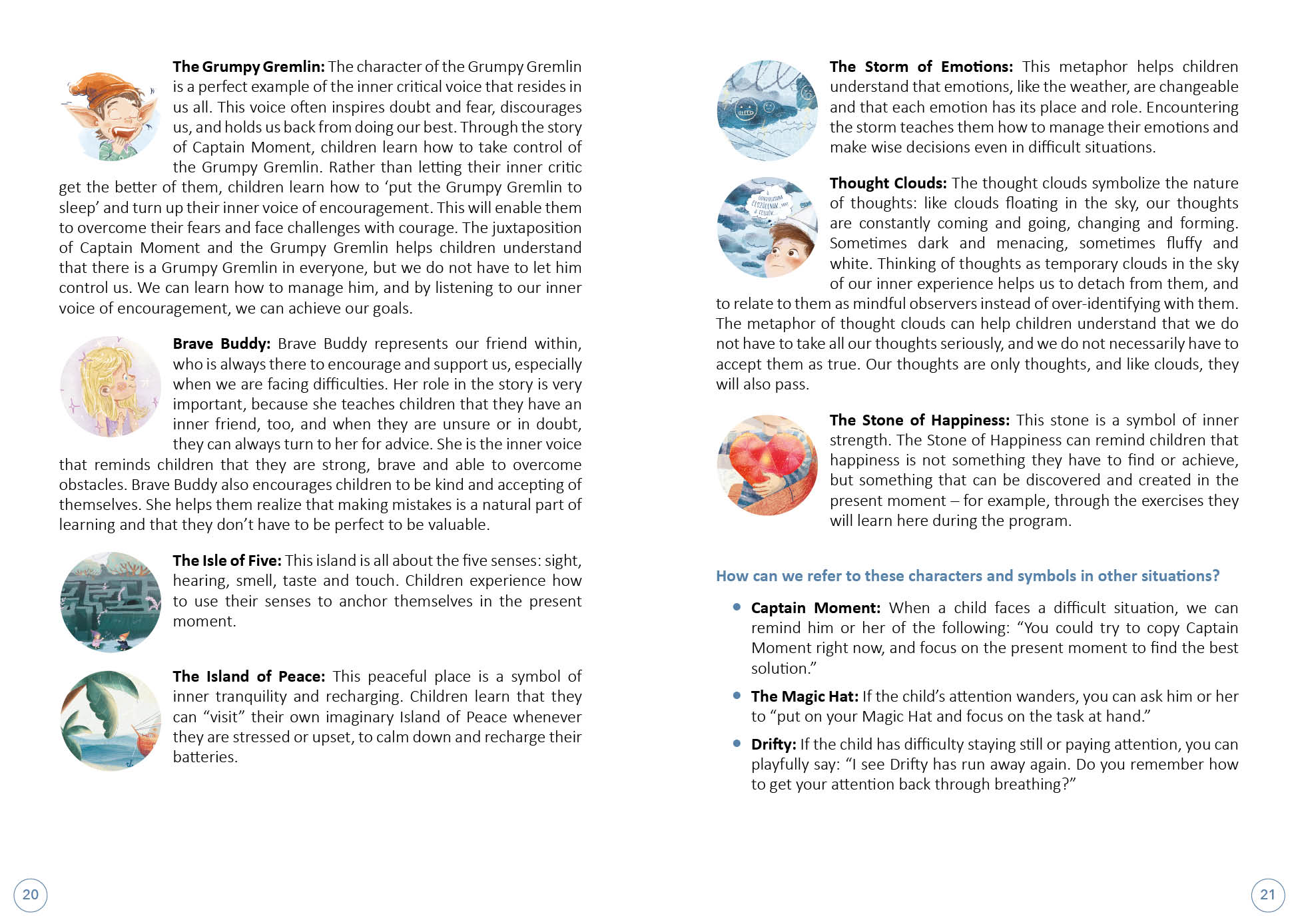
Inside the Handbook:
- 228 pages of valuable insights in the handbook
-
85 playful exercises to practice emotion regulation and mindfulness
-
9 interactive mindfulness stories
-
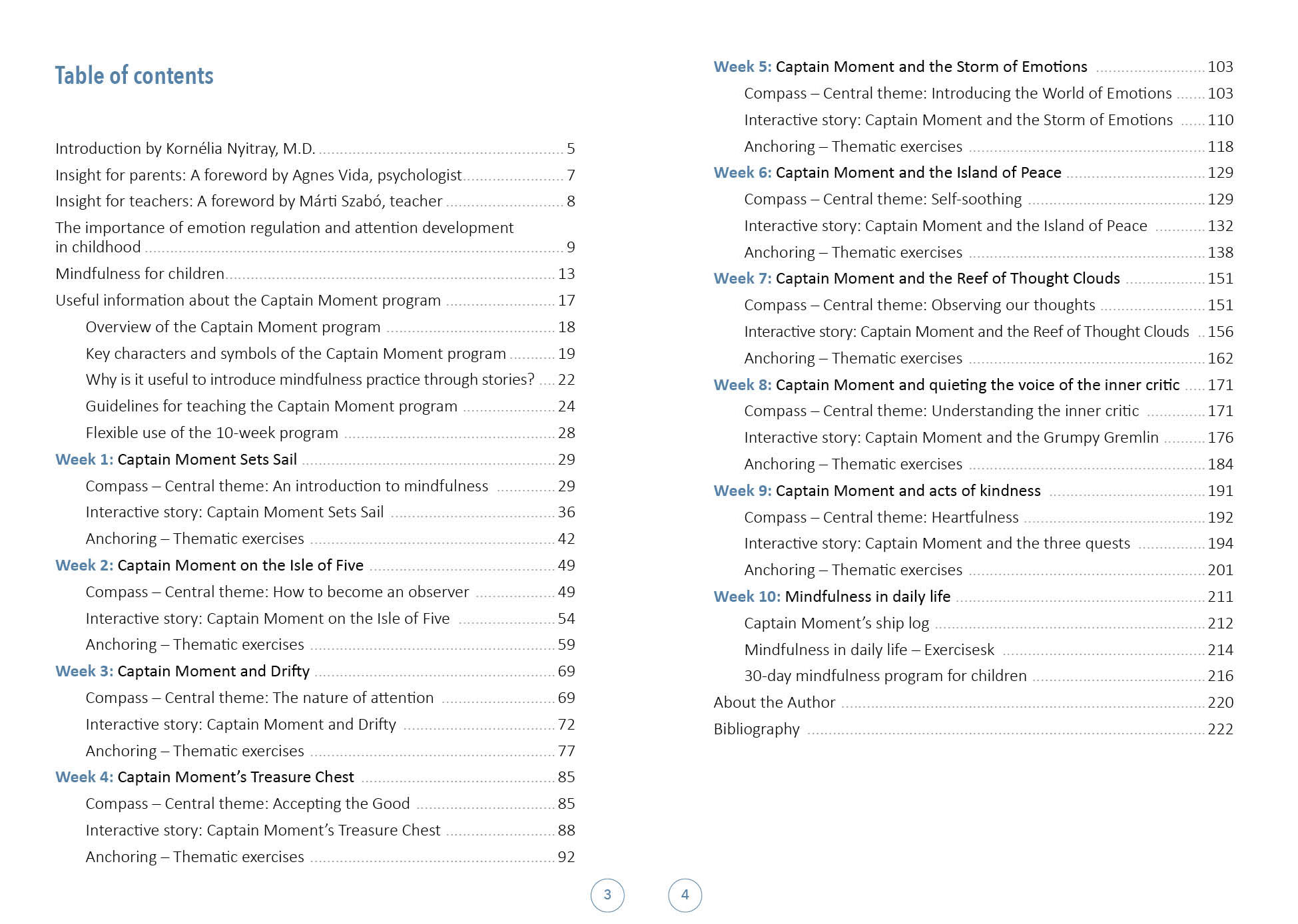
10 week session plans
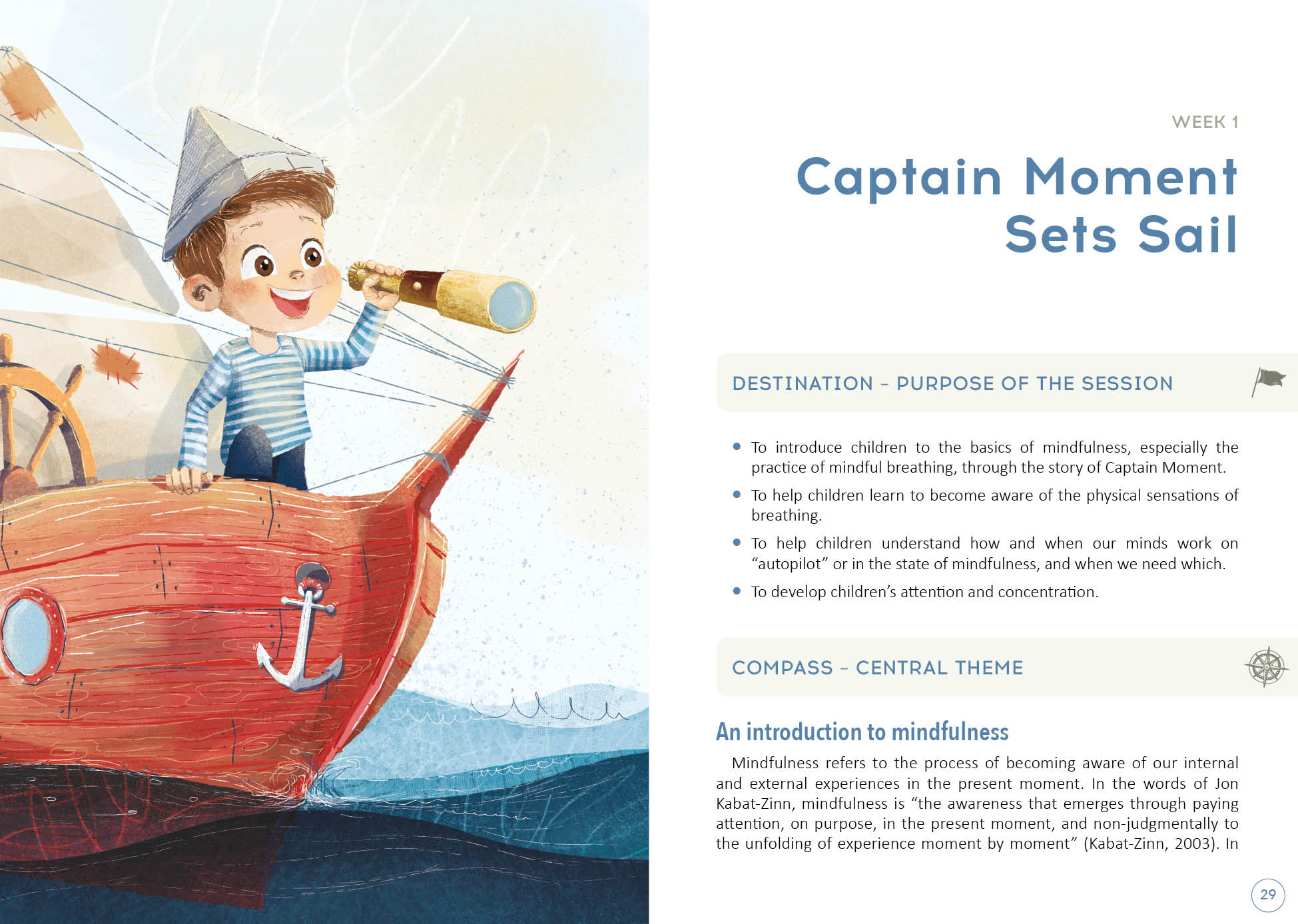
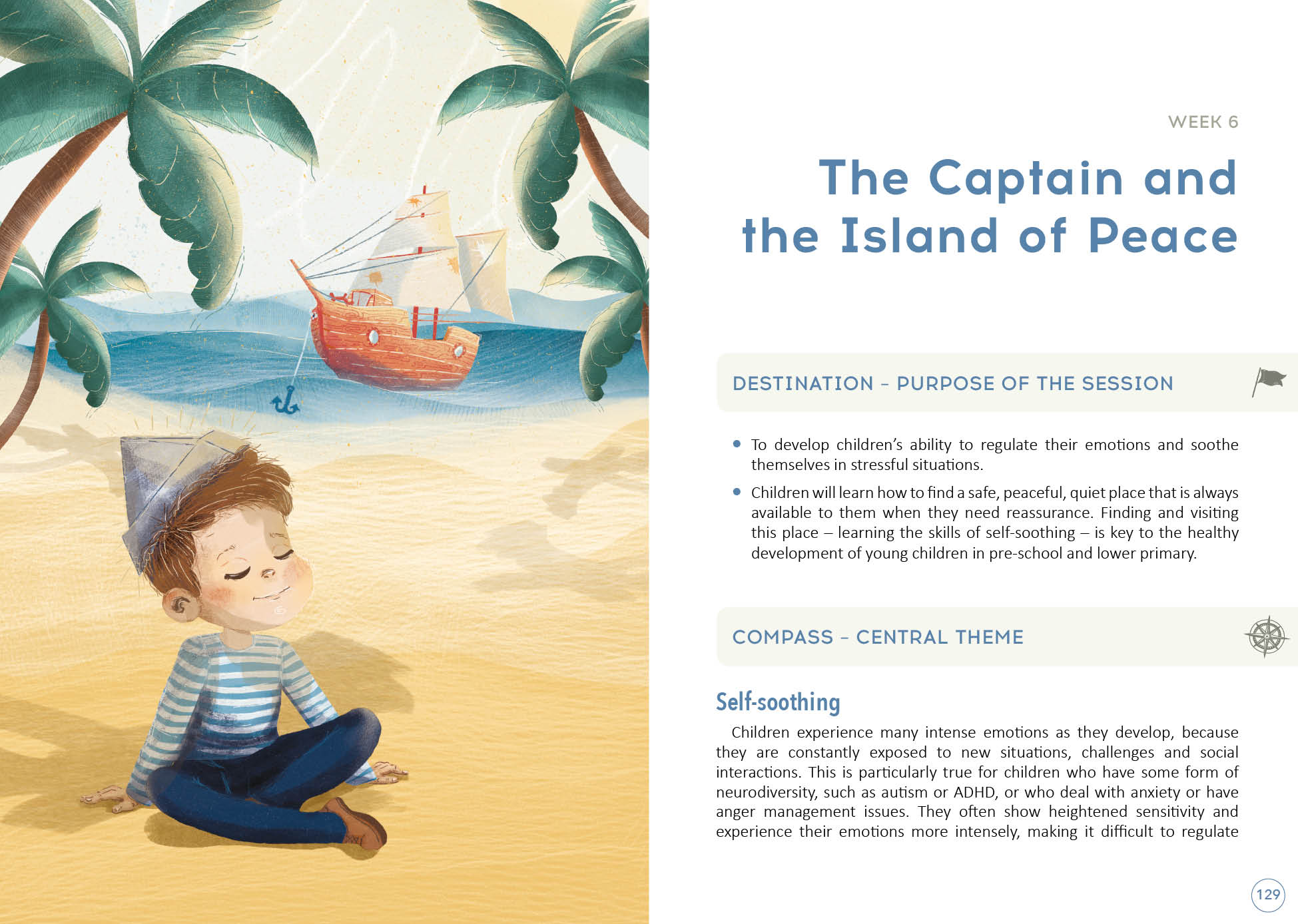
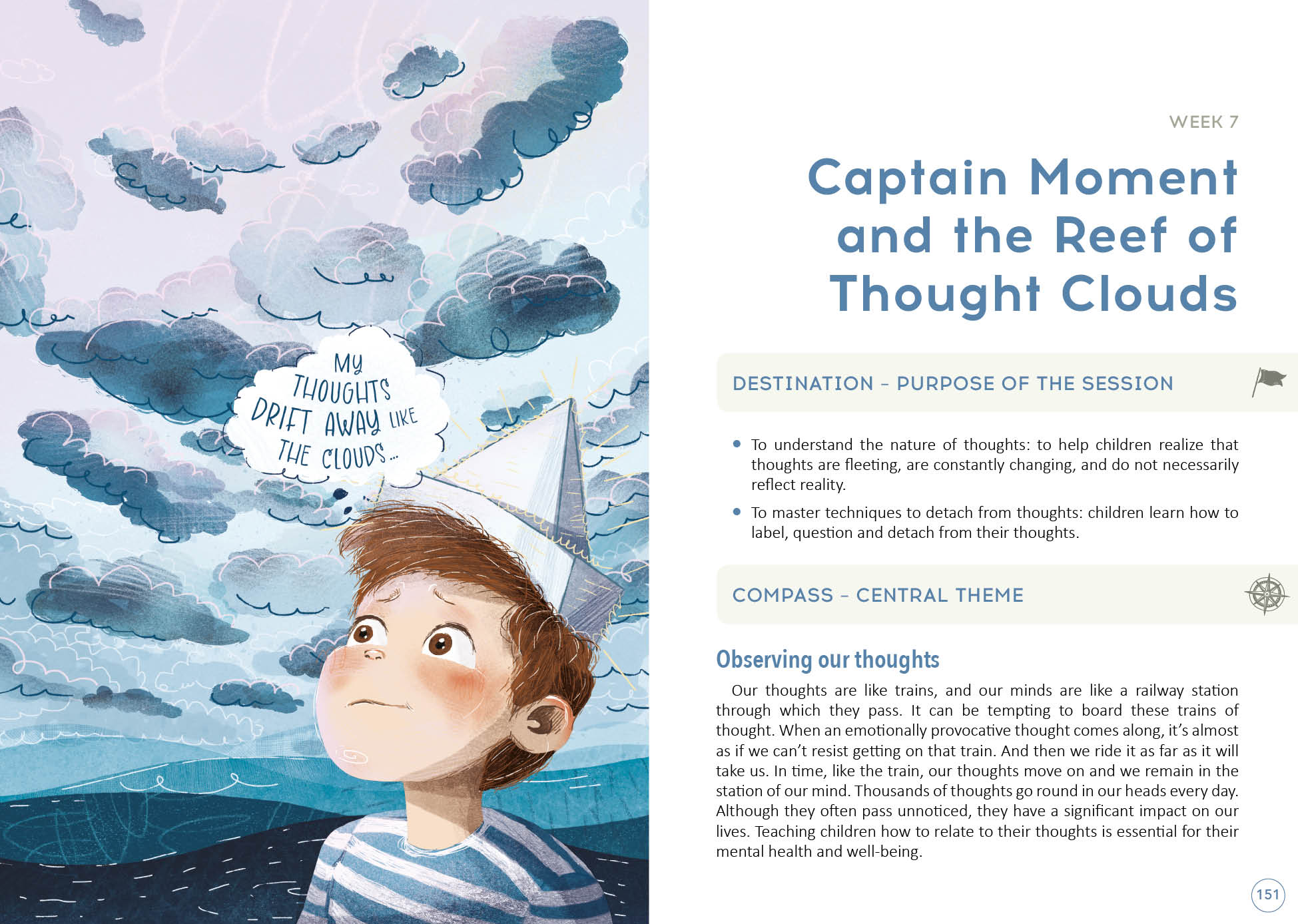
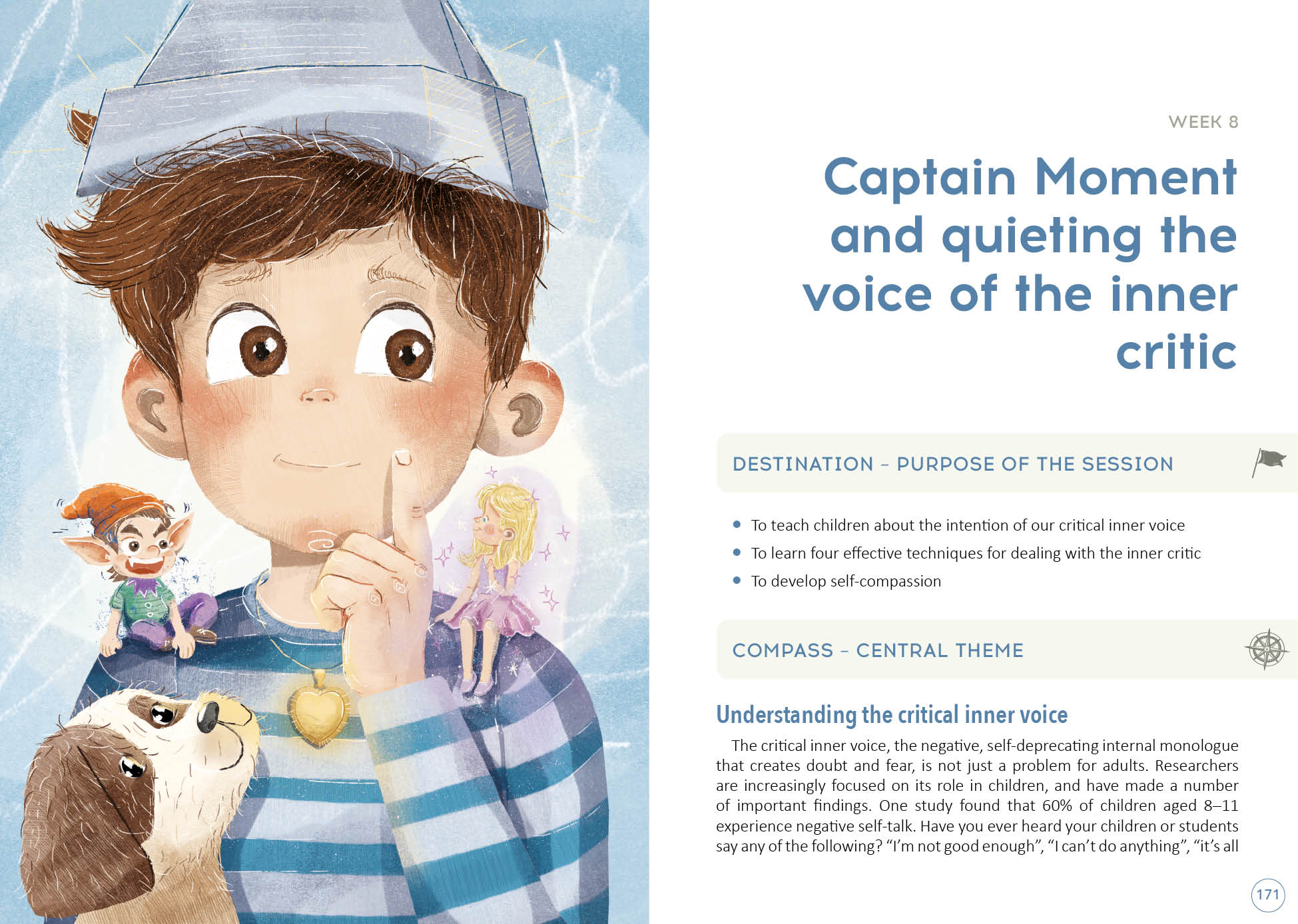
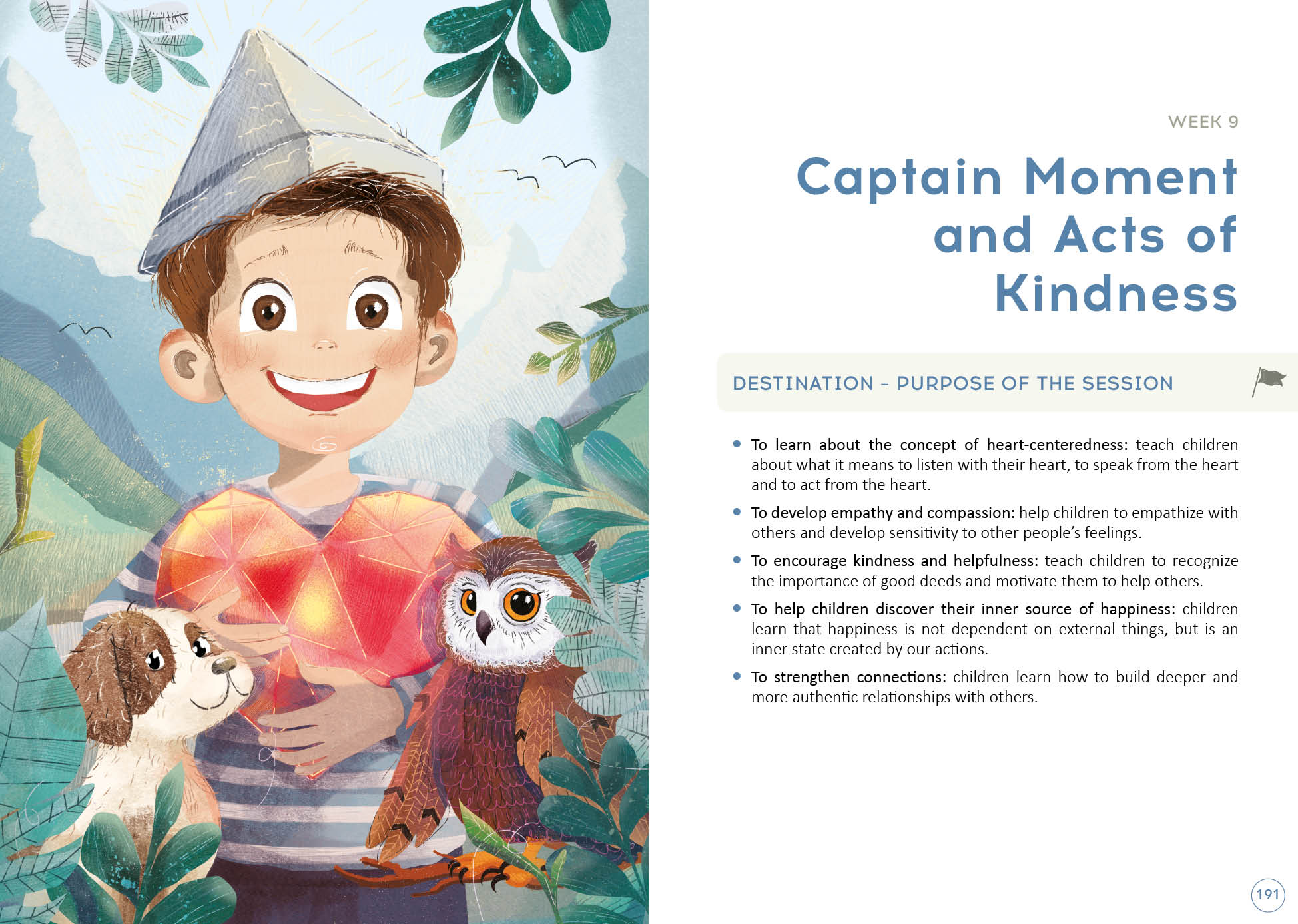
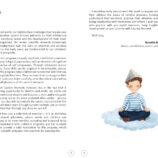
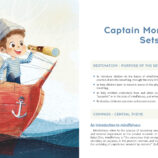
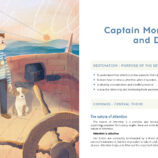
- 36 story illustrations
- Exercises suitable for preschool, school, and home use
- Theoretical background for 10 key topics
- Tips and ideas for engaging activities
- A wide range of colorful, eye-catching images and illustrations
Through the adventures of Captain Moment, children can:
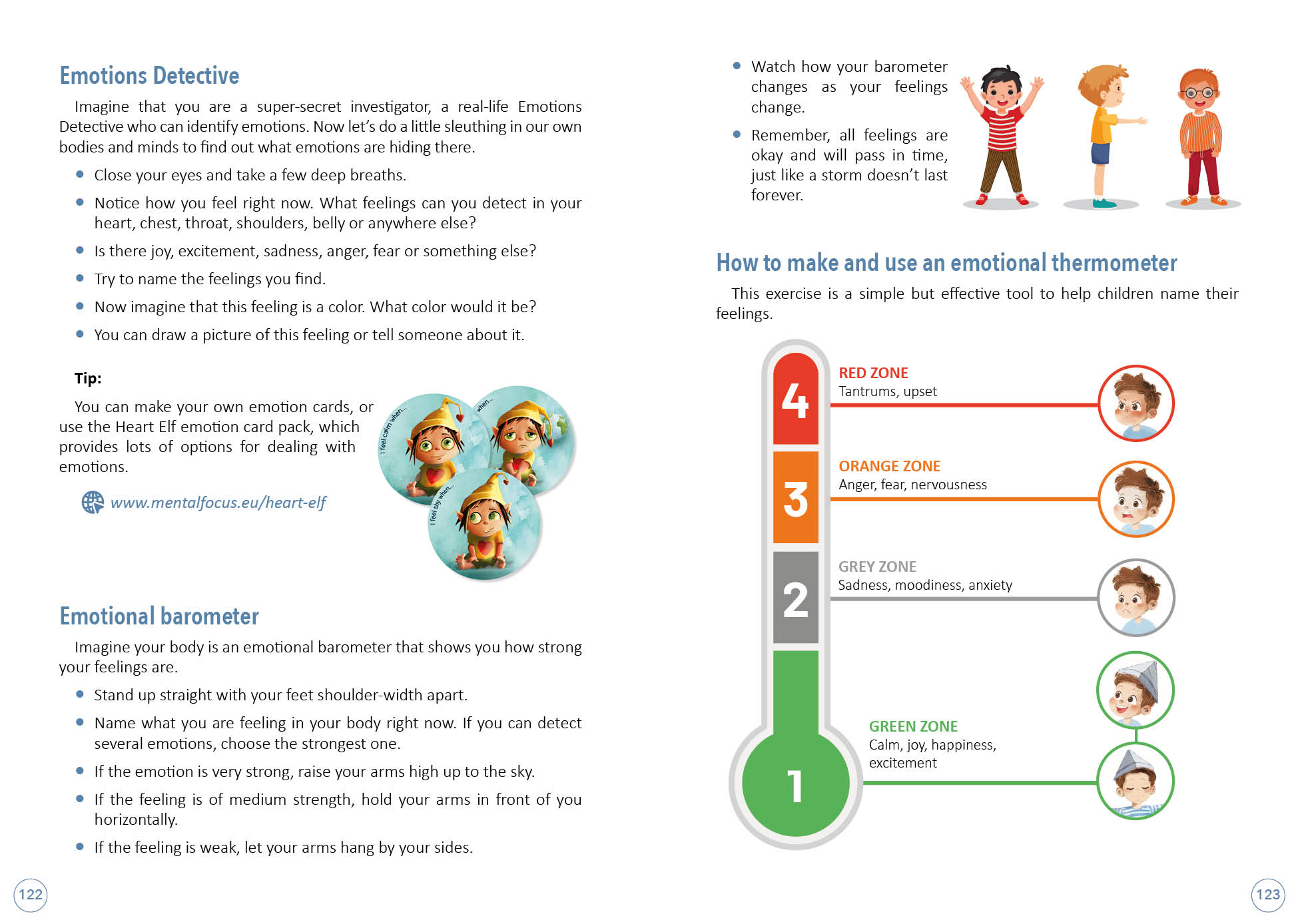
- Learn the basics of emotion regulation
- Master techniques to control their attention
- Learn self-soothing techniques to manage stress more easily
- Learn how not to get trapped in negative thoughts
- Learn how to quiet their inner critical voice
- Learn how to be more open and accepting of themselves and others
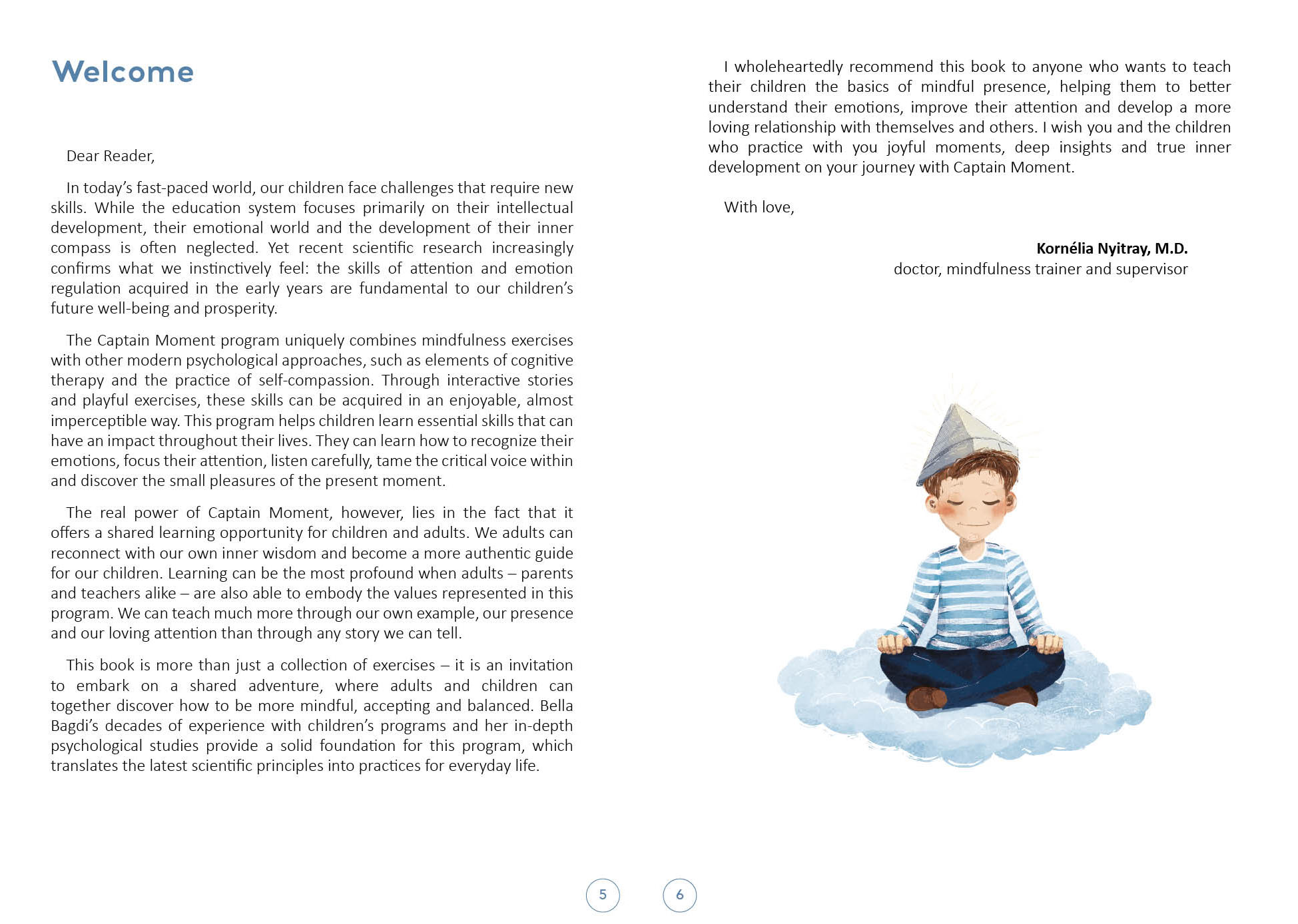
The Captain Moment program introduces children to the world of mindfulness through interactive stories, playful exercises, and discussions.
The goal of the program is for children to learn how to relate to their feelings and thoughts, and teach them how to bring their attention back to whatever they are currently doing.
Why is it important for children to learn emotion regulation and attention control?
Tantrums, outbursts, fighting, impulsive behavior: why does a child act like this?
Children often become impatient, tense, strike out at other children for no reason, interrupt others, or lack the patience to finish tasks at school or kindergarten. These behaviors are often misunderstood as ‘misbehaving’, but the real reason lies in the child’s inability to regulate their emotions.
Insufficient emotion regulation in childhood can cause various problems, affecting different areas of the child’s development.
- If a child cannot manage their emotions, this might manifest in outbursts of anger or aggression, but they may also act impulsively (e.g. interrupting others, breaking rules, eating too quickly, rushing).
- Lack of emotion regulation can also negatively affect social relationships, as the child may struggle to make friends, frequently get into conflicts with peers, and fail to respond appropriately or understand others’ emotions.
- Children struggling with emotion regulation may also be more prone to anxiety or stress, especially in school settings, which can hinder their learning
Negative emotional reactions point to immature emotional skills, yet managing emotions is crucial for school readiness, academic success and mental health.
Does your child’s attention wander easily?
More and more children struggle with attention disorders, which is a result, in many ways, of today’s modern world, overloaded with artificial stimuli. And not only digital stimuli! Even a simple shopping trip to a hypermarket can overstimulate a developing child’s nervous system, making it hard for them to process the overwhelming amount of input. As a result, they may feel rushed, stressed, tense, frustrated, and unable to focus on tasks or even simple things like reading a story or playing a game they enjoy.
In this book, Bella Bagdi – psychologist, mindfulness teacher (MBSR, MBCT) and mindful self-compassion teacher (MSC) – offers simple and effective methods for preschool and early elementary school children to regulate their emotions and practice attention control.
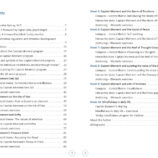
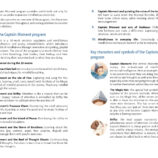
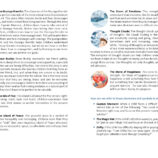
The Captain Moment Program’s 10 Weekly Themes:
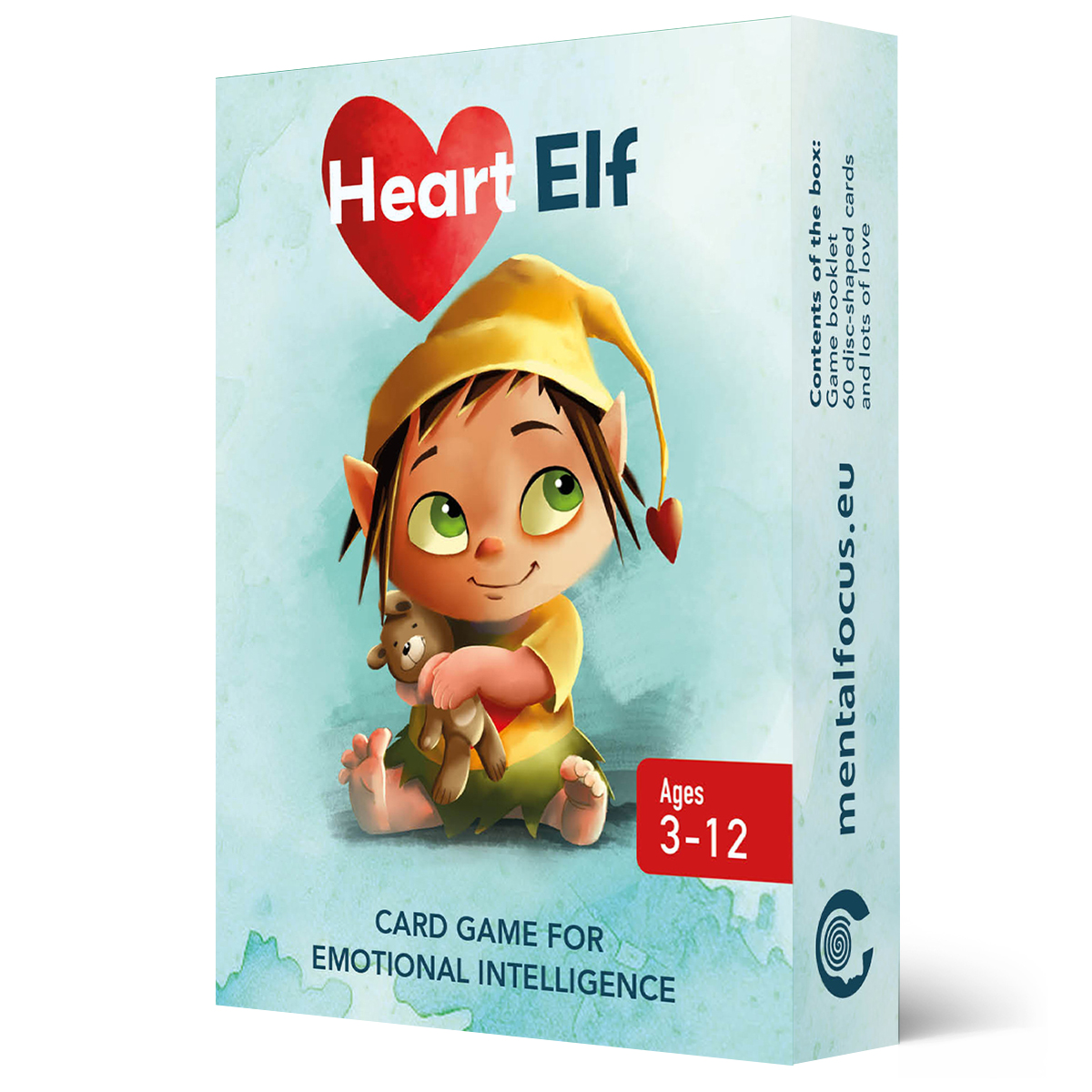
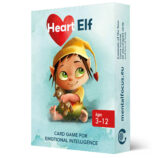
Heart Elf – Card Game For Emotional Intelligence
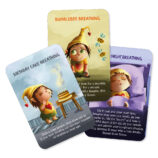
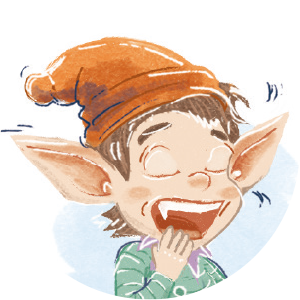
The Heart Elf Emotional Intelligence Card Game is an excellent tool for children to learn how to express and manage their emotions while respecting the feelings of others. Using the card game helps children to calm down in difficult emotional situations, such as sadness or anger, and is a playful way to learn healthy coping strategies. This helps them to cope better in challenging circumstances, develop social relationships and form deeper friendships.
Why should you play with Heart Elf cards?
Our emotions form the foundation of how we feel and how we respond to the world around us. Children’s behavior is largely influenced by their emotions, as the frontal lobe, responsible for rational thinking, is not yet fully developed. This is why children often react impulsively or struggle with regulating their emotions—causing them to have breakdowns, become frustrated, experience tantrums, or sulk. In addition, many of the conflicts between children also arise due to insufficient emotion regulation.
What can we do?
First and foremost, we can help them by teaching them to recognize and name their emotions, and showing them how to manage them. As children grow older, their emotional world becomes more complex, so it’s best to start teaching these skills as early as possible. Research from recent decades and findings from positive psychology clearly demonstrate the importance of emotional intelligence and emotion regulation for our mental and emotional well-being.
This card game helps children learn these skills in a playful way. Playing a game with emotions at its center helps children recognize, identify, express, and regulate their emotions. Through conversation while playing, you can help your child explore their feelings, which not only aids in the development of emotional intelligence, but also strengthens the connection between you.
During the game, children open up in a safe environment and can engage with emotions in a way that is most accessible to them, enabling them to understand their feelings on a deeper level.
Plus, the game can be played in various ways — with family, in kindergarten or school groups, during holidays, or even at home, just the two of you.
Why is developing emotional intelligence important in childhood?
Emotional Intelligence (EI, also known as EQ) involves the ability to recognize, understand, and manage emotions, as well as the skills of empathy, social relationships, and emotional self-regulation. Here are a few reasons why developing children’s emotional intelligence is especially important:
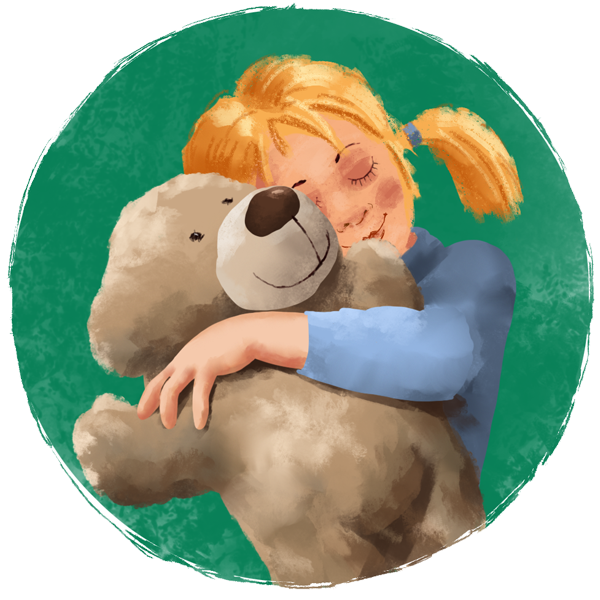
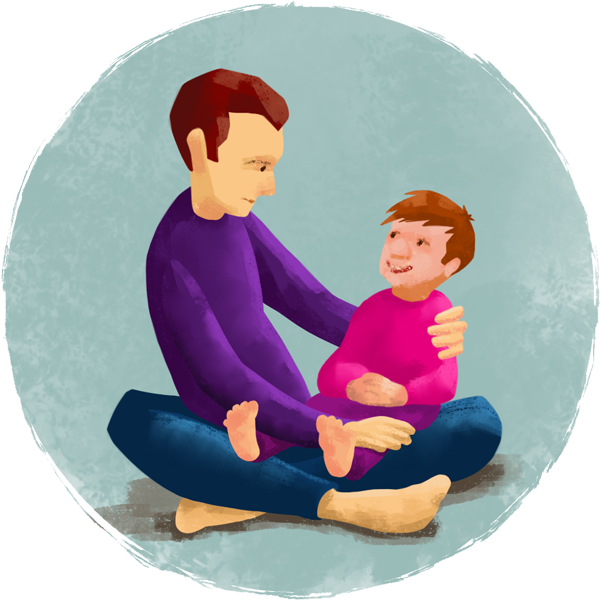

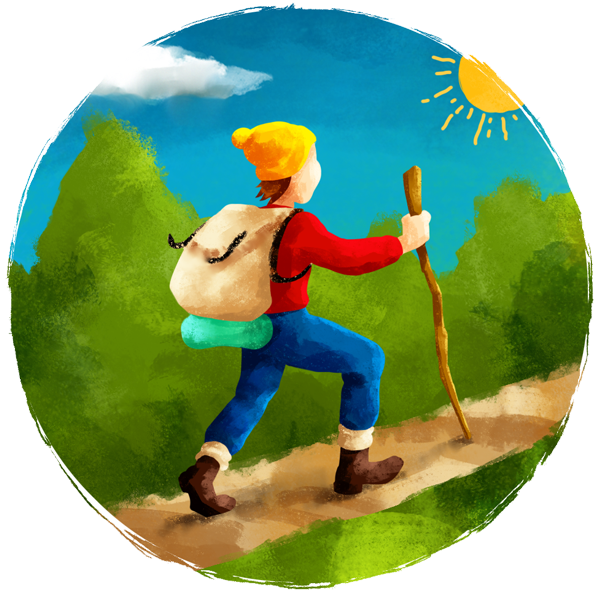
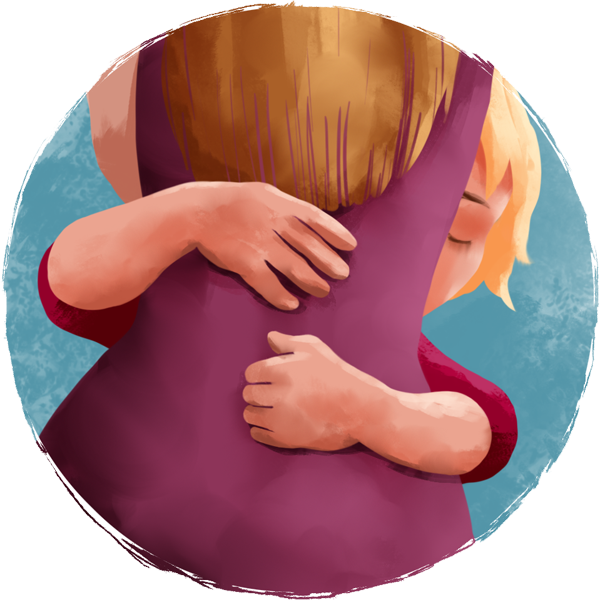

Emotional intelligence not only improves children’s current quality of life, but also has a long-term positive effect on their happiness and success. Parents and educators play a key role in this process, as they provide the support and learning opportunities that help children acquire these vital skills.
With the Heart Elf Cards, learning becomes more engaging and varied, making it exciting and enjoyable for both preschool and school-age children.
Why is the playful method the best for developing emotional intelligence?
Play is a child’s most natural way of learning, which is why playful methods are highly effective for developing emotional intelligence. While traditional learning can sometimes feel dull for children, and many parents find it hard to talk about emotions—often because they haven’t learned how to themselves—a card game like Heart Elf makes it easier for both children and adults to open up.
The game gives children an opportunity to express their emotions freely, whether positive or negative. It helps them understand and manage their feelings. Through playing together, children learn social skills like how to cooperate, share, take turns, and handle conflicts––all of which are important elements of emotional intelligence.
Play-based activities create a safe and supportive space where children can experiment and learn from their mistakes without fear of harsh judgment. During play, children also get the chance to experience others’ emotions, which supports the development of empathy. They learn how others feel, and how to respond appropriately.
While playing, children also learn to control their impulses, follow rules, and think ahead — all of which are essential for emotional self-regulation. Positive feedback during play strengthens their self-confidence and self-esteem, encouraging them to continue developing emotional skills. Creative games and challenges also support the development of problem-solving abilities and creative thinking, both of which are important aspects of emotional intelligence.
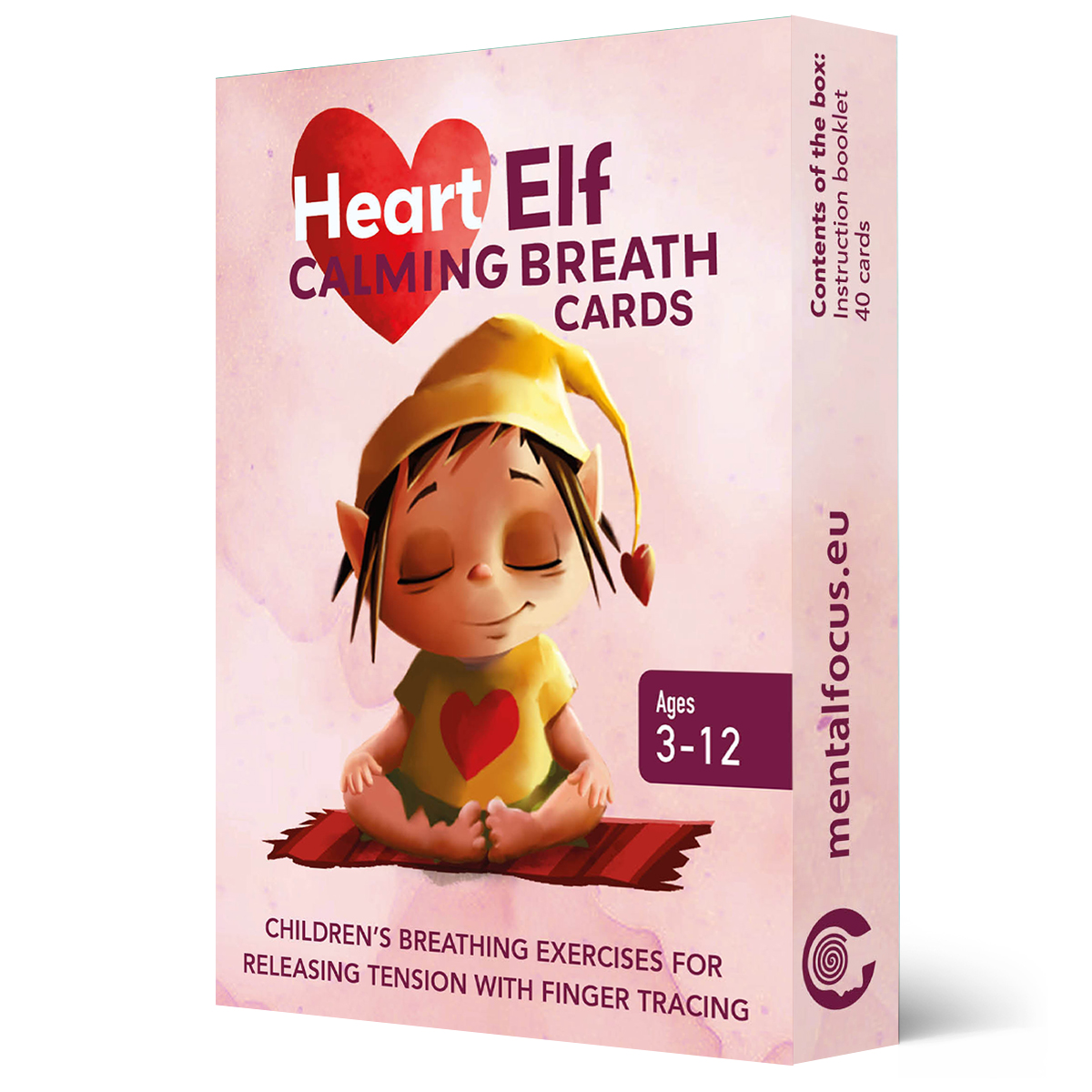
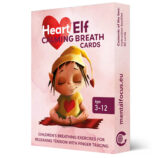
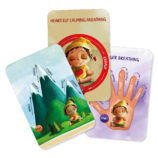
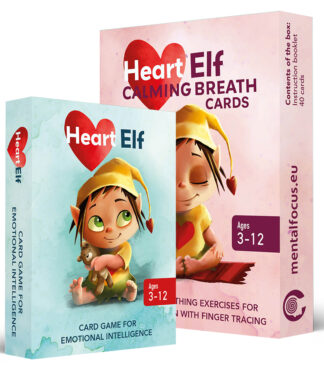
Heart Elf Calming Breath Cards
Children’s breathing exercises for releasing tension with finger tracing
The Heart Elf Calming Breath Cards help us to support the development of emotion regulation skills in our child.
- It is important to start learning emotion regulation and emotion management from preschool onwards.
- Many children enter school with performance anxiety and fear of the unknown, or start adoles- cence with anxiety about social situations.
These mindful breathing exercises for tension release with the aid of finger tracing can be useful both in emotionally stressful situations and as a preventa- tive measure. The pack includes 40 practice options for doing this. Managing emotions properly is key to ensuring they are ready for school, can achieve aca- demic success and can maintain their mental health.
Teach your child how to calm down!
Help your child learn emotional regulation and self-soothing in a playful way with the Heart Elf Calming Breath Cards.
How do the Heart Elf Calming Breath Cards support the development of children’s self-soothing skills?
- The card set includes 40 different exercises to practice with
- Playful techniques: using finger tracing and imagination-based breathing
- 4 ways to play: making learning both fun and focused!
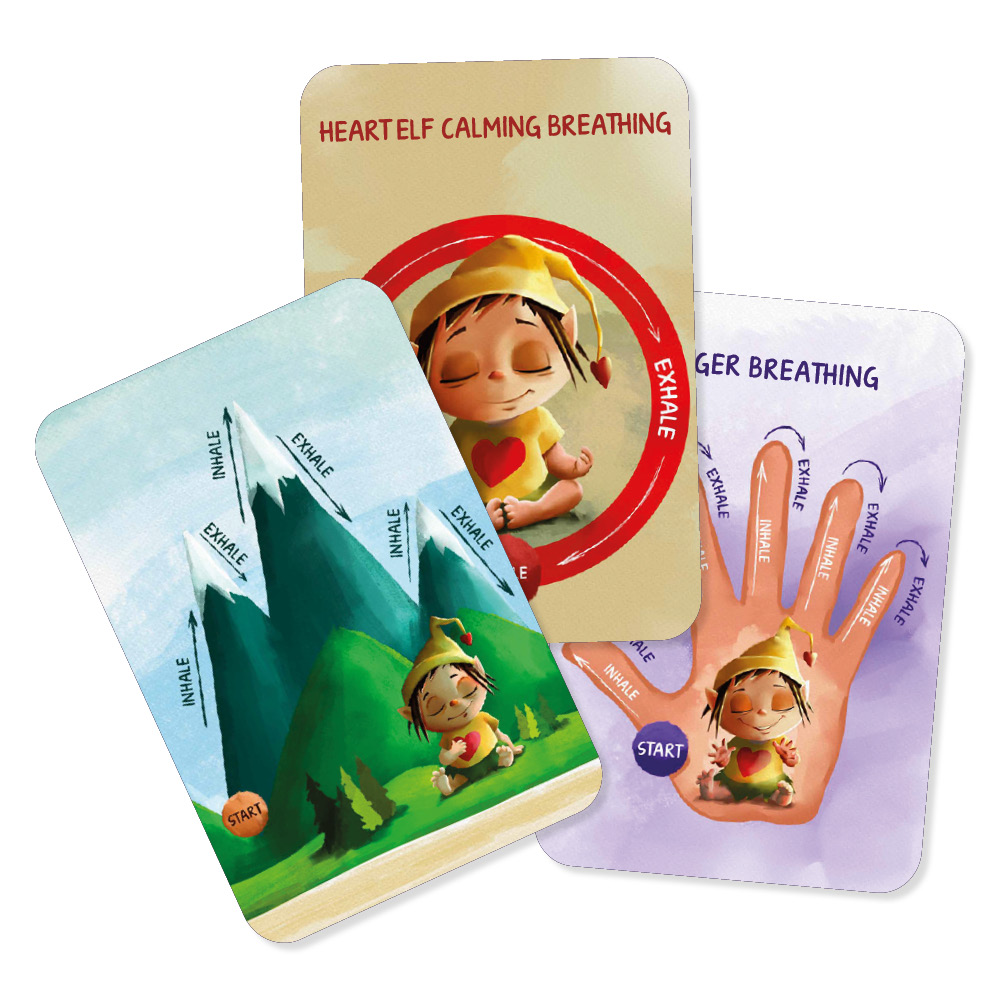
The Heart Elf Calming Breath Card Set includes two types of cards:
Finger-tracing breathing cards provide visual cues (lines and arrows) to help children learn the correct breathing rhythm. By tracing the line on the card with their finger, they follow the phases of inhaling and exhaling, creating a multisensory practice experience.
With these exercises, children trace the lines and arrows on the card with their fingers while breathing in sync with the guided rhythm.
This method helps children to:
- Focus their attention: By concentrating on their breathing and finger movements, they can more easily block out distracting thoughts.
- Calm down: Slow, deep breathing relaxes both the body and the mind.
- Improve coordination: Synchronizing finger movement with breathing enhances fine motor skills.
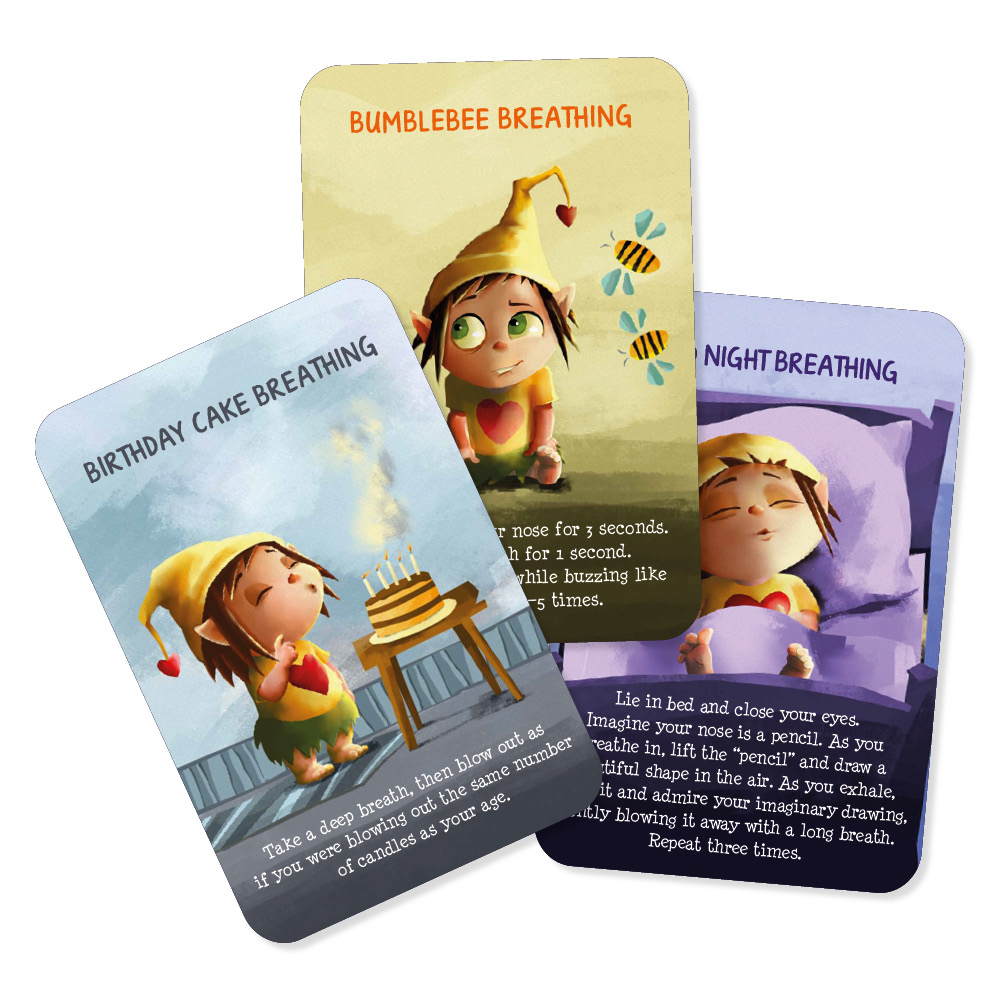
The Creative Breathing Cards feature imaginative breathing exercises designed to boost their imagination.
These playful breathing techniques offer a variety of tools that children can use in different situations.
These exercises help develop:
- Imagination: Children picture themselves turning into a pinwheel, a superhero, or blowing out the candles on their birthday cake.
- Body awareness: As they practice, children learn to observe their breathing and notice the sensations and changes in their bodies.
- Creativity: Inspired by the cards, children can even invent their own breathing exercises.
Daily playful practice not only helps children manage their attention, emotions, and stress, but also supports parents in learning how to calm themselves using the cards.
You can use the cards in a variety of ways, depending on what goal you want to achieve, or simply based on what interests your child most at the moment.
- Exploratory play: At first, let your child freely explore the cards, looking at the illustrations, naming the characters and elements. Then, choose one card together and follow the instructions to try the breathing exercise.
- Structured practice: Use the cards as a transition between two activities or as part of your daily routine. Ask your child to draw a card and do the breathing exercise together.
- Targeted use: If your child is experiencing a strong emotional state (e.g. restlessness or anxiety), you can intentionally choose a card that helps them calm down and relax.
- Highlighting favorite exercises: If your child has a favorite card (or exercise), feel free to return to it as often as they like, even multiple times a day. This not only builds familiarity but also reinforces the positive experience.
The best approach is to make the game part of your daily routine and use the cards for a little playtime each day. This way, conscious breathing will more easily become a natural part of your child’s everyday life and personal toolkit, while also helping them process daily stress.
About the author

| Captain Moment – Emotion regulation and attention control program | Written by: Bella Bagdi Original Editon: Pillanatkapitány – Érzelemszabályozás és figyelemkontroll program, Budapest, Hungary, 2024 |
|---|---|
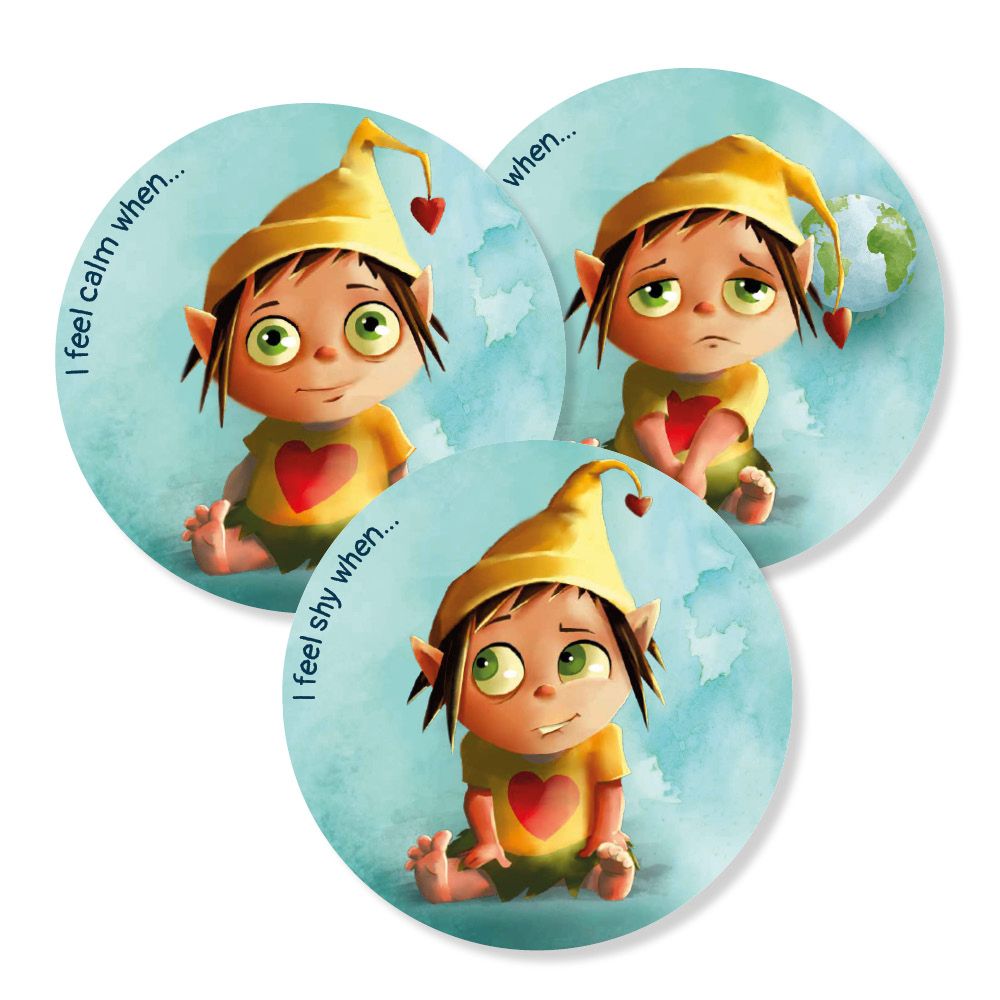
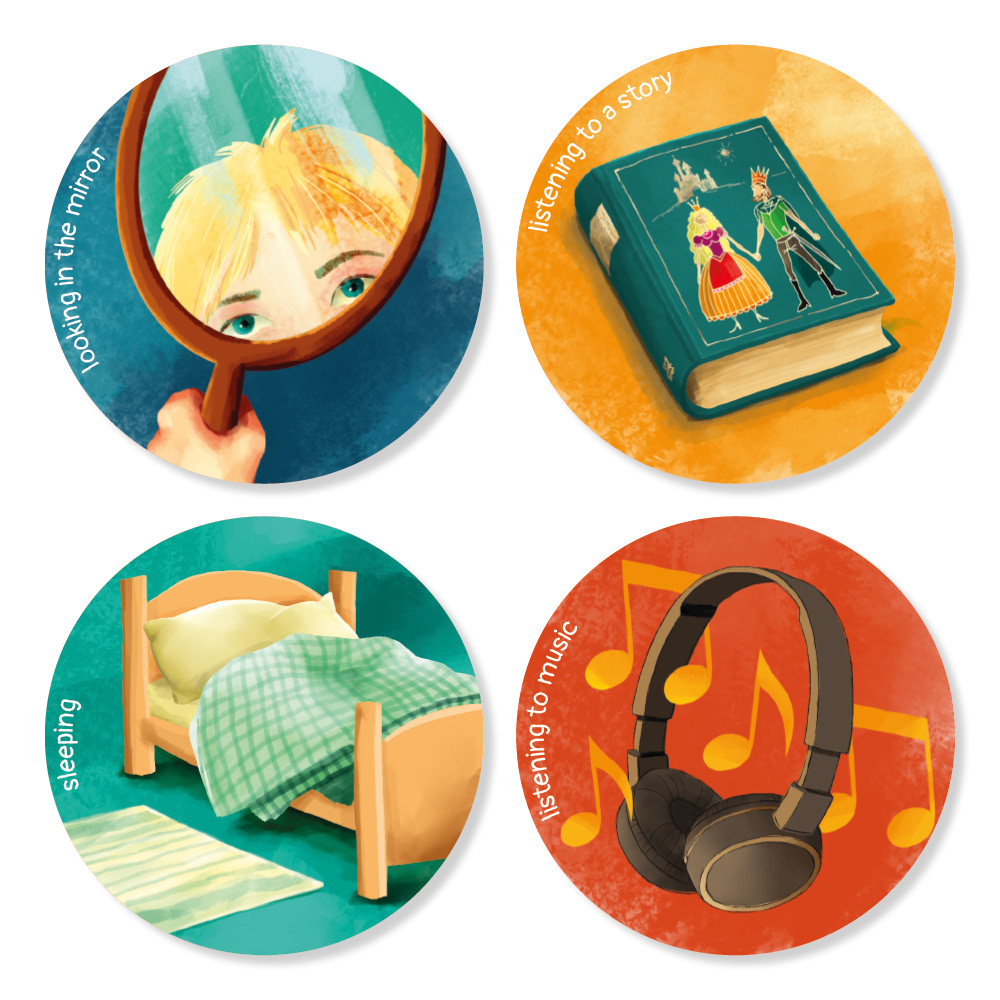
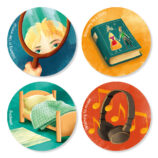
| Heart Elf Card Game | 28 Emotion Cards |
| Heart Elf Calming Breath Cards | 20 finger-tracing breathing cards |
Reviews
0 out of 5 stars
Add a review
You may also like…
-
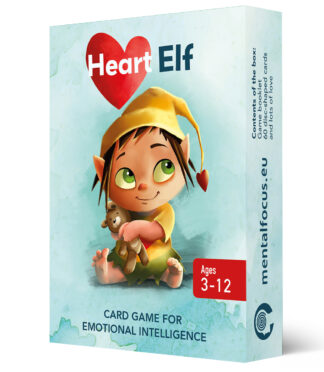
Heart Elf Card Game
19.99 € -
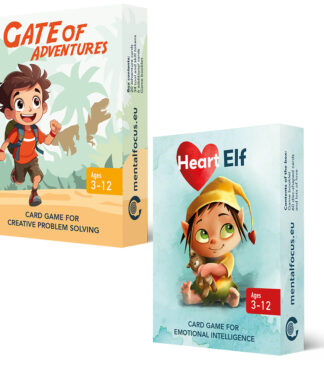
Gate of Adventures Card Game
19.99 € -
-
Mrs. Sarolta Németh Simon Rainbow Kindergarten, School for Special Needs and Developmental Education, Primary School, Vocational School, Skills Development School, and Unified Institute of Special Education –
Mrs. Sarolta Németh Simon Rainbow Kindergarten, School for Special Needs and Developmental Education, Primary School, Vocational School, Skills Development School, and Unified Institute of Special Education
I tried the Heart Elf Calming Breath Cards with my current class, which includes first graders with a variety of special needs: children with learning difficulties, high-functioning autism, ADHD, intellectual disabilities, and multiple impairments.
The cards have almost seamlessly become part of our everyday life. For autistic children, the key to effective support is creating a structured, predictable, and supportive environment, and I must say, this predictability benefits the whole class by making school life feel safe and secure. Each day begins with a little “walk” around the classroom, one stop of which is a “scented forest” in the corner, beside a painted woodland scene on the wall. The forest’s animals and plants always reflect the current season. Before we start any attention or movement-based activities, we begin here with a couple of breathing exercises.
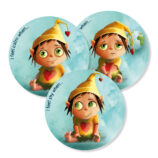
When I first introduced the cards and the children were just getting to know them, I already knew they’d become a favorite. They were instantly drawn to Heart Elf’s kind, expressive face and the colorful illustrations. Even though they can’t read yet, the cards’ illustrations offer helpful clues and the messages are easy for them to interpret.
They’ve grown so fond of Heart Elf that the day simply can’t begin without the cards. We’ve already invented several games to go along with them, like “Watch the breathing and find the matching card!” or “Pick your favorite and show it to the others!” We also have reflection time: “Did you use any of the cards today?” And the answers we get are very interesting. One child told us: “Yes, when P. punched me and I wanted to hit back, my head got hot. So I called on the Angry Heart Elf, blew out the flame, and after that, I didn’t want to hit him anymore.” Another one said, “The rainbow one is my favorite, because it’s so colorful!”
Mrs. Sarolta Németh Simon
Rainbow Kindergarten, School for Special Needs and Developmental Education,
Primary School, Vocational School, Skills Development School, and Unified Institute of Special Education
Agnes Torda Orosháza Municipal Daycare and Preschool, Móricz Zsigmond Street –
Agnes Torda Orosháza Municipal Daycare and Preschool, Móricz Zsigmond Street
For our age group, the creative cards work best. The whistling breath has become a favorite. Whenever I see the children getting overly restless during the day, that’s the breathing exercise I turn to. It helps them calm down and refocus. Of course, we’ve looked through the other creative cards too and practiced those as well.
Agnes Torda
Orosháza Municipal Daycare and Preschool, Móricz Zsigmond Street
Péter Vermesy Primary School and Elementary School for the Arts, Maglód –
Péter Vermesy Primary School and Elementary School for the Arts, Maglód
This game really helps children get to know their feelings. They often find it hard to identify their emotions, but Heart Elf’s charming little face makes them more accessible. During the game, several children recognized themselves in the cards, and even the quieter ones were able to connect with their own emotions.
“It’s just really fun to play with.”
“This was the best class ever!”
Csilla Berencsi-Eke
Péter Vermesy Primary School and Elementary School for the Arts, Maglód
Angelika Fenyves Sípos Street Kindergarten, Debrecen –
Angelika Fenyves Sípos Street Kindergarten, Debrecen
The Heart Elf card game sparked a lot of interest among the children. They really loved the artwork and the little illustrations. During group play, they were highly engaged—we sorted emotions into positive and negative, and practiced expressing them through facial expressions and body language. When it came time to talk, the children were eager to share their own feelings—surprisingly, they were most open about the negative ones.
This was yet another confirmation of just how timely and important emotional intelligence development is.
I wholeheartedly recommend the Heart Elf card game to both teachers and parents. It offers a wonderful opportunity to support children’s personal development—especially when it comes to building emotional intelligence. It’s an incredibly effective tool for helping children identify, differentiate, and express their emotions in a playful, effortless way.
Angelika Fenyves
Sípos Street Kindergarten, Debrecen
Andrea Tóth –
Andrea Tóth
“Mom, you know I hate card games!” — That was her first reaction.
But little by little, we got completely drawn into this fantastic, conversation-sparking game.
I’ve always known my daughter has incredible communication skills, but the way she expressed every single emotion as we played was just amazing. The only tricky moment came at the end, when we had to stop and go take a bath!
The illustrations are adorable, the concept is brilliant, and I love that the cards are round!
Andrea Tóth
Erzsébet –
Erzsébet
The book’s chapters build very well on one another, and young children enjoy working together. I would also recommend it to preschool teachers. It is suitable for small group work.
Erzsébet
Andi, teacher –
Andi, teacher
It captivated me and really energized me. It is well-structured, and it offers so many useful tools for children. It covers a wide range of topics, and you can link it with many activities. We started processing it in weekly sessions with a second-grade class. A huge thank you!
Andi, teacher
Ildikó –
Ildikó
I am so grateful. This book can really help parents who don’t know how to handle their child’s or grandchild’s behavior properly. Thank you! It has been and will continue to be a huge help to me in the near future. I have learned many new, positive points of views and techniques from it. It would be very useful for children’s development in kindergartens and schools. I would love as many preschool and school-age children as possible to meet Captain Moment and learn the secret of the Magic Hat!
Ildikó
Tímea Horváth –
Tímea Horváth
A super useful and amazing book! We really like it! Just as we do the Happiness Lesson books related to boosting self-confidence and the Heart Elf cards, which are also a big favorite! It’s really important for children to start learning these techniques from preschool age so that they can more easily cope with the difficulties they face in the education system!
Tímea Horváth